How to Choose the Right Grounding Wire?
Choosing the right Grounding Wire is not simply a matter of picking the thickest cable on the shelf. The correct choice depends on the electrical system, overcurrent protection, conductor material, installation conditions, and applicable local requirements. A wire that looks substantial may still be unsuitable. Details matter.
Electrical educator Mike Holt’s teaching can be paraphrased this way: “Grounding works only when the complete fault-current path is sound.” This is a guiding principle, not a substitute for checking the applicable code or product specifications. A grounding conductor must work with the connected equipment and protective devices, not in isolation.
Start by identifying the circuit and the equipment being grounded. Then check the required conductor size, insulation or finish, and compatibility with terminals and fittings. Copper is common, but aluminum may be permitted in certain applications when correctly selected and installed. Outdoor runs, damp locations, and corrosive environments call for closer attention to material ratings and protection. A loose lug or a nicked conductor can undermine an otherwise careful installation.
There is no reliable one-size-fits-all answer. Measure twice. Confirm the details. If the requirements are unclear, ask a qualified electrician to review the installation before work begins. Even experienced people can overlook a small mismatch; that deserves a second look.
What a Grounding Wire Does in an Electrical System
How to Choose the Right Grounding Wire?
What a Grounding Wire Does in an Electrical System
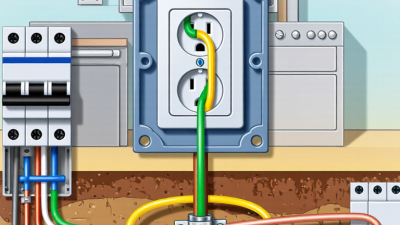
A grounding wire is a safety path for fault current. If a live conductor touches a metal appliance case, the wire connects that case to the electrical system’s return path. The resulting current surge can help trip a breaker or blow a fuse, cutting power before the fault persists. Under normal conditions, the equipment grounding wire should carry no current. It is not a spare neutral. That distinction matters.
NFPA’s Home Electrical Fires report estimated about 34,000 U.S. home structure fires annually involving electrical distribution or lighting equipment from 2012 to 2016. Grounding cannot prevent every electrical fire, but a properly installed fault path supports protective devices. A ground wire is not a magic shield. It may not prevent every shock, especially if wiring is damaged or equipment is incorrectly connected.
Choosing one means matching its material and size to the circuit and its overcurrent protection, following the applicable electrical code. A green or bare wire is commonly used for equipment grounding, but color alone does not confirm a safe connection. Also, an earth electrode and an equipment grounding conductor serve related but different roles. A careful inspection should trace the path back to the panel. Sometimes, that detail gets overlooked.
How to Identify Your System’s Grounding Requirements
How to Choose the Right Grounding Wire?
How to Identify Your System’s Grounding Requirements
Start with the system, not the wire spool. Check the equipment nameplate, installation manual, and electrical drawings. Note the voltage, phase, supply arrangement, and the conductor’s role. An equipment grounding conductor and a grounding electrode conductor serve different purposes. A wire that looks substantial may still be undersized. It is tempting to trust an existing wire, but appearance is not proof.
Sizing depends on factors such as the overcurrent-device rating, conductor material, installation conditions, and applicable electrical requirements. The grounding path must carry fault current so protective devices can operate. It is not sized by normal load alone. Check the relevant tables and instructions for your installation. If drawings are missing, ask a qualified electrician to verify the service and bonding points. Guessing can be costly.
Tips: Photograph the nameplate and existing connections. Record the breaker rating and wire material, but do not assume an older installation is correct. Compare your notes with equipment instructions and local requirements. When details are unclear, pause and ask a qualified professional. Checking twice is worthwhile.
How to Select the Wire Material and Gauge
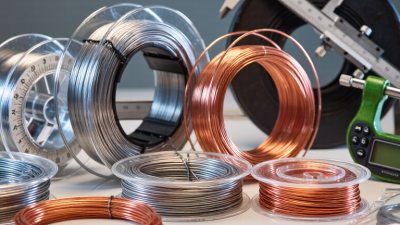
Copper and aluminum are common grounding-wire materials, but they are not interchangeable at the same gauge. The Copper Development Association’s Copper Wire Tables lists annealed copper at 100% IACS conductivity; electrical-grade aluminum is roughly 61%. In practice, copper usually carries the same current in a smaller conductor and resists corrosion better at exposed connections. Aluminum can reduce weight and material cost, but it needs compatible terminals and careful protection against oxidation. Check the equipment instructions. A loose or incompatible termination can undermine an otherwise correctly sized wire.
Gauge depends on the circuit’s overcurrent device, conductor material, and applicable electrical code. In NFPA 70 (2023), Table 250.122 specifies a minimum equipment grounding conductor of 8 AWG copper or 6 AWG aluminum for a 100-amp overcurrent device; at 200 amps, the minimums are 6 AWG copper and 4 AWG aluminum. Lower AWG numbers mean thicker wire. Do not confuse equipment grounding conductors with grounding electrode conductors; they are sized under different rules. Conductor upsizing, installation conditions, and local code adoption can also affect selection. Measure twice. If the circuit details are unclear, have a qualified electrician verify the sizing before installation.
How to Match the Wire to the Installation Environment
How to Choose the Right Grounding Wire?
How to Match the Wire to the Installation Environment
A grounding wire must suit both the electrical system and the place it runs. Dry indoor wiring has different demands from a damp crawlspace, outdoor raceway, or buried route. Moisture changes everything. In exposed or corrosive areas, choose a conductor and insulation or protective pathway rated for those conditions. Copper resists corrosion well, while aluminum requires compatible fittings and careful protection from dissimilar metals.
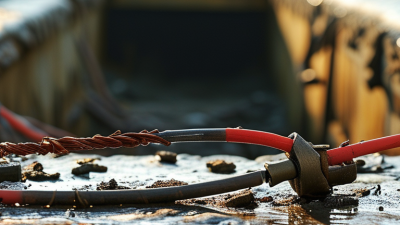
Check whether the wire is approved for wet locations, sunlight, or direct burial; these ratings are not interchangeable. Conduit can add mechanical protection, but water may still collect inside it. For underground runs, use conductors listed for that use and follow the required burial method. In workshops or garages, consider abrasion, sharp edges, vibration, and rodents. A thin wire rubbing against a metal opening can fail quietly.
Wire size is not chosen by appearance. It depends on circuit protection, conductor material, and applicable electrical requirements. Match terminals to the conductor’s metal and size, and keep grounding connections clean and secure. The overlooked detail is often the transition between environments, such as where a cable leaves a wall and enters damp soil. Check equipment instructions and local electrical requirements; if the route or existing wiring is unclear, ask a qualified electrician to verify it. Guessing here is not worth it.
How to Choose the Right Grounding Wire: Match It to the Installation Environment
This chart shows the minimum copper equipment grounding conductor size by overcurrent device rating, based on NEC Table 250.122. Wire size is shown as approximate copper cross-sectional area.
Environment matters: The chart gives a sizing baseline, not an insulation selection. For wet locations, use conductors and wiring methods rated for wet conditions. In corrosive or otherwise harsh environments, select compatible materials and listed protection. Confirm requirements against the locally adopted electrical code and installation conditions.
Reference: NEC Table 250.122. Values shown are for copper equipment grounding conductors.
How to Check Code Compliance and Safe Installation
How to Choose the Right Grounding Wire?
Code compliance starts with identifying the job. An equipment grounding conductor carries fault current back to the source; a grounding electrode conductor connects the electrical system to grounding electrodes. They are not interchangeable. Check your local electrical code and permit requirements before selecting a wire. Required size depends on factors such as circuit rating, conductor material, and installation conditions. Check the applicable tables, not a guess. Rules can vary by location.
Safe installation matters just as much. Turn off the circuit and verify it is de-energized with an appropriate tester before working. Never use the neutral conductor as a substitute for an equipment ground. Confirm the grounding wire forms a continuous path, uses approved connections, and is firmly secured at each termination. A neat-looking connection can still hide a loose clamp. Receptacle testers may reveal some wiring faults, but they cannot confirm every part of a grounding system is sound. Avoid improvised bonds between pipes or separate systems. If the existing wiring is unclear, or the work involves a service panel, ask a qualified electrician to inspect it. Local requirements may also call for inspection before the installation is covered. I would not rely on color alone. Verify the circuit and connection points against the wiring diagram and code.