Why Use a Braided Ground Strap?
A Braided Ground Strap creates a flexible electrical bond between conductive parts that move, vibrate, or need periodic access. Picture a copper braid linking an engine block to its chassis: it bends with movement while helping maintain a low-impedance path. That connection can support fault-current return and reduce unwanted electrical noise. It is a small component, but a poor bond can undermine a carefully designed system.
Engineering guidance helps explain why the details matter. IEEE Std 3003.2 addresses grounding and bonding in industrial and commercial power systems, while NASA-STD-4003A sets out bonding practices for aerospace hardware. Both emphasize sound electrical connections, not merely the presence of a strap. Selection depends on current, frequency, vibration, temperature, corrosion exposure, and the geometry of the installation. A wide braid may offer useful flexibility and surface area, yet its performance still depends on clean contact surfaces, secure fasteners, and suitable materials. Small details count. Installation evidence and resistance measurements can help confirm that a bond performs as intended, though test methods must suit the application. A strap is not magic. It cannot compensate for loose hardware, paint beneath a lug, or a poorly planned return path. This guide explores where a Braided Ground Strap is useful, how to choose one, and what to check before installation. Some design choices remain application-specific, and that deserves careful review rather than guesswork.
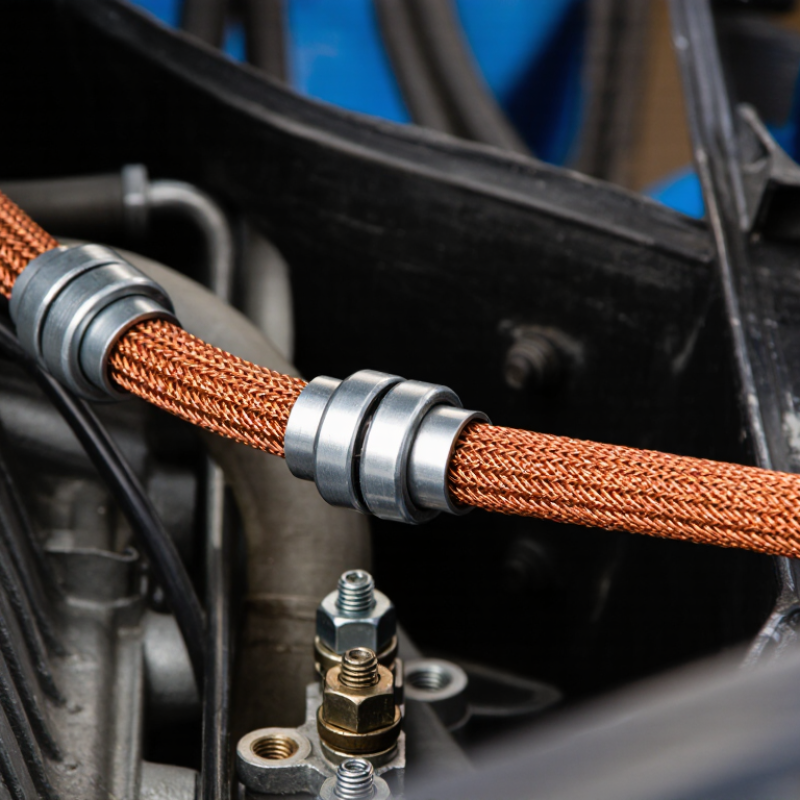
What a Braided Ground Strap Is and How It Is Made
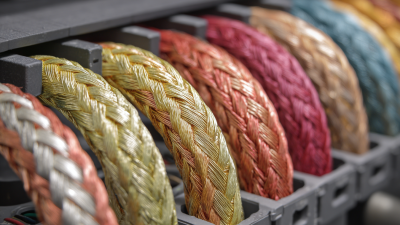
A braided ground strap is a flexible electrical bonding link made from many fine conductive strands woven into a flat or tubular band. The braid bends more readily than a solid bar, helping connect parts that move slightly or vibrate. Common materials include copper and tinned copper. A coating can help limit surface oxidation, but it does not make the connection maintenance-free. The strap provides a low-impedance path between conductive components when selected and installed for the specific system.
Manufacture usually begins with wire of a specified diameter, fed through a braiding machine. Interlacing the strands creates a mesh that stays flexible. The braid is cut to length, then terminals or flattened end tabs are attached by crimping, brazing, or welding, depending on the design. Production checks may cover dimensions, finish, joint strength, continuity, and electrical resistance. Details matter. A loose crimp, sharp edge, or poorly fitted contact can undermine an otherwise sound braid. It is easy to judge one by appearance, but that alone cannot confirm its capacity.
Tips: Follow the equipment specification for strap length and cross-section. Keep contact faces clean and fasteners secure. During maintenance, look for broken strands, corrosion, or loosened ends. Small defects can grow.
How a Braided Strap Provides a Grounding Path
Why Use a Braided Ground Strap? How a Braided Strap Provides a Grounding Path
A braided ground strap bonds a metal chassis to a grounding point, creating a conductive route for fault current and electrical noise. Its woven strands bend around hinges, panels, and moving assemblies without the stiffness of a solid bar. Picture a strap spanning a cabinet door: it flexes as the door opens, while maintaining electrical continuity. That matters. A loose, corroded, or poorly clamped connection can interrupt the path, even when the braid looks intact.
The International Annealed Copper Standard defines 100% IACS conductivity as 58 megasiemens per meter at 20°C. Using that value, an ideal 100-millimeter copper conductor with 25 mm² of cross-sectional area would have about 0.069 milliohms of resistance. A real braid may measure higher because its strands follow a longer, woven path and its terminations add resistance. IEC 61000-5-2 guidance also emphasizes short, low-impedance bonding connections for electromagnetic compatibility. Braid is not magic.
Tips: Keep the strap short and wide where practical. Remove paint beneath contact points, tighten hardware firmly, and inspect for frayed strands or oxidation. Measure continuity across the installed connection; appearance alone can mislead.
Why Braided Straps Flex and Conduct Reliably
Why Use a Braided Ground Strap?
Why Braided Straps Flex and Conduct Reliably
A braided ground strap uses many fine metal strands woven into a flat, flexible path. Unlike a solid conductor, it can bend repeatedly as an engine, door, or equipment panel moves. The strands share the electrical path, while the open weave lets the strap flex without forcing one stiff section to take every bend. That matters near hinges, vibrating machinery, and tight mounting points. Flexibility helps, but it does not make a strap immune to fatigue.
Tips: Match the strap’s current rating and length to the application. Keep contact surfaces clean, secure both ends firmly, and avoid sharp bends or twisting. Check the connection for looseness or corrosion during routine inspection.
Reliable conductivity depends on good materials and installation, not appearance alone. A broad braid can provide a low-resistance connection when its strands and terminals are properly joined. Yet a loose bolt, painted mounting surface, or damaged braid can interrupt the path. If the strap feels warm under normal operation, inspect the connection and confirm the load is appropriate. A slightly longer strap may move more freely, but too much slack can snag or rub. The right fit is practical, not perfect-looking.
Where Braided Ground Straps Are Commonly Used
Braided ground straps are commonly used wherever metal parts need a flexible electrical bond. In vehicles, they may connect an engine, body, or hood to the chassis, where vibration and movement can strain rigid links. That detail matters. Industrial machines use them between motors, frames, hinged guards, and removable panels. Inside electrical enclosures, a strap can maintain continuity across a door hinge or painted joint. Generators and mobile equipment also use them at points exposed to repeated movement. Marine installations may use flexible bonds too, but salt and moisture make material choice and inspection especially important.
The right strap depends on the equipment’s electrical design, movement, temperature, and surroundings. It supports electrical continuity; it is not a substitute for correctly sized protective conductors. A detail often missed is the contact surface: paint, oxide, or a loose bolt can undermine an otherwise sound connection. Even a tidy braid can fail early. Check that the strap is not stretched, sharply bent, or rubbing against a moving edge. During maintenance, look for broken strands, corrosion, and loose fasteners, then follow the equipment maker’s specifications for replacement and installation. A connection can look secure while making poor contact, so appearance alone is not a reliable check.
Why Use a Braided Ground Strap? — Where Braided Ground Straps Are Commonly Used
Braided straps provide a flexible, low-resistance electrical bond between parts that may move or vibrate. This chart shows the estimated DC resistance of a copper strap at different lengths, assuming a nominal copper cross-sectional area of 16 mm² and copper resistivity of 1.724 × 10⁻⁸ Ω·m at 20°C. Actual resistance varies with braid construction and connection quality.
Common applications: bonding vehicle engines to chassis, connecting doors or panels to equipment enclosures, grounding moving machine parts, and providing flexible bonds in electrical cabinets. Shorter, well-connected straps generally have lower DC resistance.
How to Choose and Install a Braided Ground Strap
Why Use a Braided Ground Strap?
Choosing a braided ground strap starts with the job it must do. Check the equipment’s service information for the required conductor size, current capacity, and connection points. Select a strap long enough to allow normal movement, but not so long that it can snag or touch hot or rotating parts. The braid should feel flexible, with firmly attached terminals and no broken strands. Keep it simple. A larger-looking strap is not automatically the right one.
Before installation, follow the equipment maker’s procedure for isolating power; vehicle systems may have specific precautions. Clean the mounting surfaces down to bare, sound metal, then secure each terminal firmly with suitable hardware. Do not trap paint, grease, or corrosion under a lug. Route the strap with a gentle curve, leaving room for engine movement without letting it rub against sharp edges. A neat-looking strap can still make a poor connection. After fitting, check that it cannot pull tight through the full range of movement, then inspect the joint and test for excessive voltage drop under load if you have the right tools. I have seen tidy installations overlooked because the strap was treated as a cosmetic part; it is an electrical connection, and deserves a careful recheck.
Why Use a Braided Ground Strap? - How to Choose and Install a Braided Ground Strap
| Consideration |
Practical guidance |
Why it matters |
| Why use braided strap |
Its woven conductor bends easily and can accommodate vibration or small movements between bonded metal parts. |
A flexible connection can be more suitable than a rigid conductor where movement could stress the connection. |
| Conductor material |
Choose a material compatible with the installation environment and the metals being joined. Copper braid is commonly used; tinned copper can offer improved resistance to surface corrosion. |
Material compatibility and exposure to moisture, chemicals, and temperature affect service life and connection reliability. |
| Current and bonding requirements |
Select the strap using the applicable electrical code, equipment instructions, and required fault-current or bonding duty. Do not size it by appearance alone. |
A strap that is too small may overheat or fail to provide the required electrical path. |
| Length and movement |
Measure the actual connection points and allow a natural, gentle curve. Avoid stretching the braid taut or leaving excessive slack that could snag. |
Correct routing reduces mechanical strain and helps preserve flexibility. |
| Terminal ends |
Use terminals suited to the strap, fastener, and environment. Check that the terminal is securely attached and that its hole fits the mounting hardware. |
A poor terminal or mismatched fastener can create a loose, high-resistance connection. |
| Mounting surface |
Attach to clean, electrically conductive metal. Remove paint, dirt, and corrosion from the contact area where the design and applicable rules permit; protect the finished joint against corrosion without insulating the contact surfaces. |
Paint and corrosion can increase resistance and interfere with electrical bonding. |
| Installation sequence |
De-energize equipment when required, position the strap without twisting it, secure both ends with suitable hardware, and tighten to the specified torque. |
Following the equipment instructions and safe work procedures helps prevent injury and connection damage. |
| Inspection and testing |
Check for frayed strands, loose hardware, discoloration, corrosion, or signs of overheating. Verify continuity using an appropriate test method when required. |
Inspection can identify damage or a deteriorating bond before it becomes a safety issue. |
| Important limitation |
A braided strap is not automatically a substitute for a protective grounding conductor, lightning protection component, or code-required bonding jumper. Confirm its intended application before installation. |
Electrical requirements vary by equipment and jurisdiction; follow applicable codes and consult a qualified electrician when uncertain. |