
How to Choose the Right Extension Wire in 2026
In 2026, choosing an Extension Wire is not simply a matter of finding the longest cable or lowest price. The right choice depends on the appliance’s power demand, cable length, conductor size, plug type, and where the wire will be used. A small lamp and a portable heater place very different demands on a cable. That matters.
Safety data gives this decision real weight. The National Fire Protection Association reported an annual average of 46,700 U.S. home fires involving electrical distribution or lighting equipment from 2015 to 2019. These fires caused an estimated 390 civilian deaths and $1.5 billion in property damage each year. Those figures cover more than extension wires, but they show why sound electrical choices deserve care. The U.S. Consumer Product Safety Commission has also reported thousands of emergency-room-treated injuries involving extension cords annually, including injuries from trips and falls.
This guide explains how to match wire gauge and rated capacity to a device, and why distance can affect performance. It also covers grounded plugs, indoor and outdoor markings, and practical warning signs such as a hot plug or damaged insulation. Check the product label, not just the packaging headline. A simple checklist can still miss a detail, especially when several high-draw devices share one outlet. Read the ratings carefully, and choose a cable suited to the actual load and setting.
Identify the Device, Load, and Conditions of Use
How to Choose the Right Extension Wire in 2026
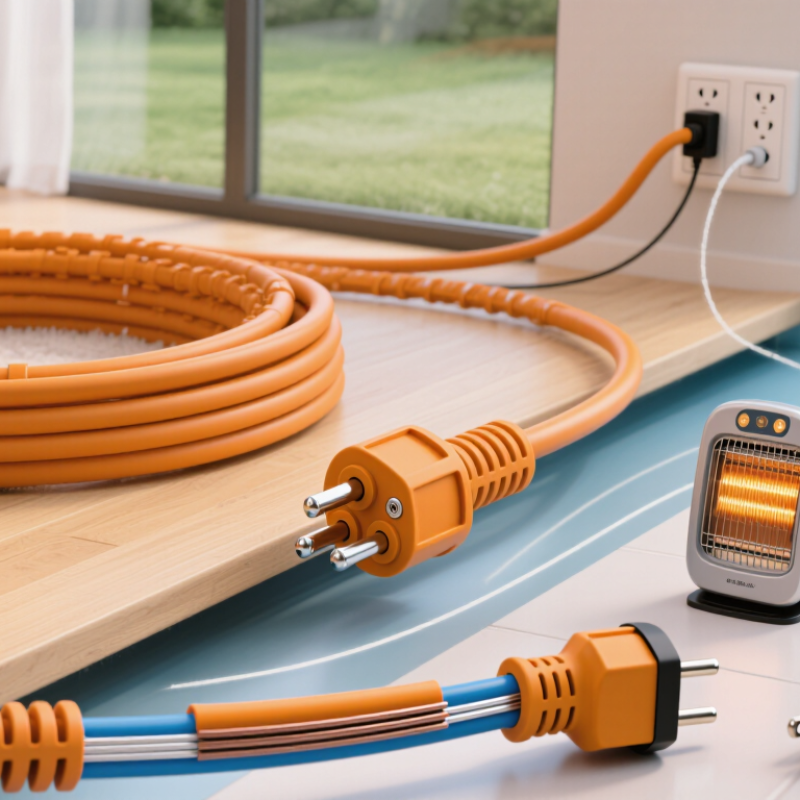
Identify the device, its load, and where the cord will be used. Check the appliance label for amperage or wattage, then choose a cord rated to handle that load. For example, a high-draw heater needs a different solution from a phone charger. When ratings are shown in watts, divide watts by volts to estimate current. Longer cords can lose more voltage, so avoid choosing extra length without a reason. A warm plug or cord is a warning sign.
Conditions matter. Indoor cords are not designed for rain, damp soil, or prolonged outdoor exposure. For yard work, select a cord specifically marked for outdoor use, and inspect its jacket for cuts or flattened spots. The Electrical Safety Foundation International, citing U.S. Consumer Product Safety Commission estimates, reports that extension cords are linked to about 3,300 home fires annually. That figure is a useful reminder: a cord is temporary wiring, not a permanent substitute for an outlet.
Tips: Match the cord’s rating to the device, and keep connections dry and uncovered. Unplug it before coiling or storing. Never run it beneath a rug or through a doorway where it can be pinched. I still check the plug after heavy use; it is easy to miss a little warmth until it becomes a bigger concern.
| Device or Use Case | Example Load | Approximate Current at 120 V | Cord Selection Guidance | Conditions to Check |
|---|---|---|---|---|
| Phone or tablet charger | 20 W | About 0.17 A | A short, listed cord rated for the load is generally sufficient. Choose a cord with the correct plug and outlet configuration. | Indoor use; keep the cord and connections dry and undamaged. |
| Small lamp | 60 W | About 0.5 A | A light-duty cord may be suitable if its marked rating meets or exceeds the lamp’s requirements. | Check the lamp’s maximum-wattage label and keep the cord away from hot bulbs and surfaces. |
| Desktop computer and monitor | 300 W | About 2.5 A | Use a listed cord rated for the equipment and its total load. For a longer run, consider a heavier conductor to reduce voltage drop. | Indoor, dry location; do not place the cord where furniture or foot traffic can damage it. |
| Shop vacuum or other motor-driven tool | 1,200 W running load | About 10 A while running | Check the tool’s nameplate and the cord’s marked amp rating. A 12 AWG cord is often a practical choice for higher loads or longer runs, but the cord label governs. | Motor starting current can exceed running current. Use a cord approved for the tool and the work environment. |
| Portable space heater | 1,500 W | About 12.5 A | Many heaters require direct connection to a wall receptacle. Follow the heater instructions; use an extension cord only if explicitly permitted and rated for the full load. | High current and heat create added risk. Never cover the cord, connect cords together, or use a damaged or coiled cord. |
| Outdoor lighting or garden equipment | Use the device nameplate; loads vary | Calculate watts ÷ volts, or use the nameplate amperage | Choose a cord marked for outdoor use and rated for the device load. For long distances or heavier equipment, a lower AWG number generally means a thicker conductor. | Protect connections from water, avoid standing water, and inspect the cord for cuts, crushed areas, or worn insulation. |
| Long-distance or demanding use | Determine the combined load of all connected devices | Use device nameplate ratings; allow for motor starting current | As cord length increases, voltage drop can increase. Choose a heavier-gauge cord when needed, and confirm its marked current rating and maximum-use instructions. | Uncoil the cord fully when carrying substantial loads. Do not exceed the cord, outlet, or circuit rating. |
| Selection and safety notes: Current estimates use watts ÷ 120 volts and are approximate; actual device input can vary. AWG size alone does not establish a cord’s permitted load—check the cord’s label for its amp rating, length, and indoor or outdoor suitability. Do not daisy-chain extension cords. Replace cords with damaged plugs or insulation, and follow the appliance and cord instructions as well as applicable electrical codes. | ||||
Related Posts
-
How to Choose the Right Extension Wire for Your Needs?
-
Top 10 Low Voltage Wire Manufacturers Worldwide
-
2025 Top 5 Welding Cable Products: Elevate Your Welding Game with These Must-Haves
-
10 Best Copper Wire Suppliers for Global Buyers
-
Solutions for Sourcing the Best Automotive Wire for Your Global Supply Chain
-
Empowering Your Future with Best Power Cord Trends for 2025 and How to Choose the Right One