China Top 10 Ultra Flex Welding Cable Manufacturers
China has become a major sourcing base for flexible welding cables, supported by broad manufacturing capacity and specialized electrical suppliers. This guide introduces China Top 10 Ultra Flex Welding Cable Manufacturers for buyers comparing performance, customization, and long-term supply reliability. The term Ultra Flex Welding Cable refers to highly flexible welding conductors designed for repeated movement, tight bending, and demanding workshop conditions.
Real purchasing decisions require more than attractive catalogs. They require verified conductor construction, insulation quality, temperature ratings, voltage capacity, and resistance to oil, abrasion, and outdoor exposure. Cable flexibility should also be examined under practical conditions. A cable that bends easily on a factory floor may behave differently in cold weather or during continuous dragging. Small details matter.
This overview considers manufacturing experience, product range, quality-control procedures, testing capabilities, export service, and customer feedback. It also highlights whether manufacturers support custom lengths, colors, packaging, terminals, and private labeling. These factors can influence installation efficiency and total operating cost.
No list is perfect. Supplier information can change. Some published specifications may need independent confirmation. Buyers should request current datasheets, sample testing, factory evidence, and relevant compliance documents before placing large orders. A polished website is not proof of stable production. Direct communication often reveals more.
The featured manufacturers may suit welding equipment producers, distributors, contractors, and industrial users. Their strengths may differ. One supplier could offer stronger customization, while another provides faster delivery or broader certification support. Careful comparison remains essential. Performance comes before promises.
What Is Ultra-Flexible Welding Cable?
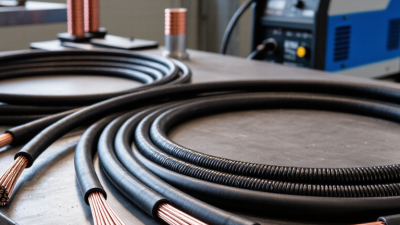
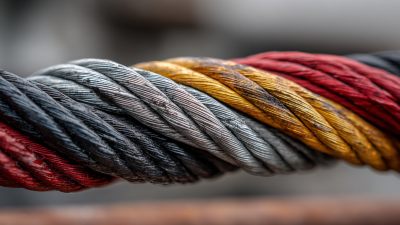
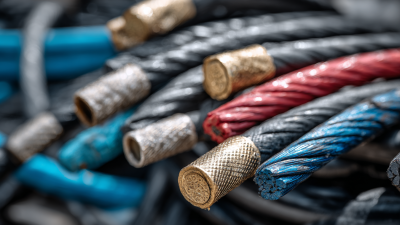
Ultra-flexible welding cable is designed for repeated movement, not just electrical transmission. Its conductor uses many fine copper strands, allowing the cable to bend around a welder’s wrist, floor joint, or compact work platform. A flexible elastomer jacket adds resistance to abrasion, oil, heat, and occasional sparks. It still needs protection from direct flame.
The U.S. Department of Energy lists copper resistivity near 1.724 micro-ohm-centimeters at 20°C. This low resistance helps limit voltage drop across long welding leads. IEC 60245-6 covers rubber-insulated arc-welding cables, including flexible construction and rated voltage requirements. A cable may feel soft, yet poor strand design can increase heating during high-current work. Softness alone proves little.
Industry welding-equipment outlooks continue to identify fabrication, construction, and repair work as major demand areas. These environments often require cables to survive frequent coiling and uncoiling. The correct choice depends on current, length, duty cycle, ambient temperature, and bend radius. A 70 mm² cable is not automatically safer than a 50 mm² cable. The wrong length can still create meaningful voltage loss. Inspectors should check crushed sections, exposed strands, hardened jackets, and loose connectors before use. Labels can mislead. A thoughtful selection compares tested flexibility with real workshop movement, rather than trusting appearance or marketing language.
Key Standards for Evaluating Chinese Welding Cable Manufacturers
China Top 10 Ultra Flex Welding Cable Manufacturers
Key Standards for Evaluating Chinese Welding Cable Manufacturers
Choosing an ultra-flex welding cable requires more than checking price or copper weight. Evaluate conductor resistance, bending performance, insulation thickness, and temperature rating. IEC 60245-6 covers rubber-insulated welding cables, including flexible designs for demanding work areas. EN 50525-2-81 also provides useful guidance for welding cable construction. A reliable manufacturer should provide batch test records, material traceability, and clear technical drawings. Check whether the cable remains flexible after repeated bending at low temperatures. A stiff 35 mm² cable can slow movement around a welding table.
Quality systems also deserve careful review. The ISO Survey 2022 reported more than 1.26 million ISO 9001 certificates worldwide. However, certification alone does not prove consistent cable quality. Ask for recent surveillance records, laboratory calibration details, and sample test results. Confirm conductor resistance at 20°C, insulation voltage testing, flame behavior, and abrasion performance. Factory visits can reveal practical details, such as uncovered copper storage or poorly labeled production batches. These small signs matter. My own checklist would still need improvement, because laboratory samples may not represent every shipment.
Tips: Request three samples from different production dates. Compare flexibility, outer diameter, printed markings, and resistance values. Review the full test method, not only the final pass result. Also confirm whether recycled materials are controlled and documented. A low price may reflect efficient production, but it can also hide thinner insulation or weaker traceability.
China’s Top 10 Ultra-Flexible Welding Cable Manufacturers
China’s Top 10 Ultra-Flexible Welding Cable Manufacturers deserve careful evaluation beyond catalog claims. In practical welding environments, cable flexibility affects operator fatigue, torch movement, and connection stability. A reliable manufacturer should explain conductor construction, insulation materials, bend radius, and current capacity clearly.
During factory assessments, I look for finely stranded copper conductors with consistent lay length. This detail helps the cable coil smoothly without sharp memory. I also inspect insulation recovery after repeated bending, dragging, and exposure to workshop heat. The difference is practical. Sample testing should include voltage drop, abrasion resistance, flame behavior, and conductor continuity. Factory records matter too, especially batch numbers and test reports.
A strong top-ten selection should combine technical evidence with production experience. Manufacturers serving demanding welding users usually maintain controlled extrusion lines and documented quality checks. They should provide samples before large orders and answer questions about custom lengths, terminal fittings, and packaging. That matters. However, no ranking is perfect, because factory performance can vary between batches. I would verify current certificates, inspect recent samples, and compare results under the intended welding load. A cable that feels soft by hand may still perform poorly after months of heat and oil exposure. This is where buyer judgment remains necessary, and my own evaluation would need revision when new test data appears.
How to Select the Right Chinese Welding Cable Supplier
Selecting among China’s top ten ultra-flex welding cable manufacturers requires more than comparing prices. Grand View Research estimated the global welding equipment market at about USD 15.1 billion in 2023. Rising automation increases cable movement and heat exposure. Ask each supplier for conductor class, strand diameter, insulation compound, temperature rating, and bending-cycle results. A cable that feels soft in a showroom may stiffen after repeated heating. Test it.
Use IEC 60245-6 as a baseline for welding cables, then confirm the voltage and temperature requirements of your equipment. Request reports from accredited laboratories, preferably following ISO/IEC 17025 practices. Check copper purity, resistance per metre, outer-diameter tolerance, flame performance, and batch traceability. The International Trade Centre’s Trade Map can help compare Chinese export activity, but export volume does not prove welding performance. It only narrows the search.
Visit the factory, or commission an independent audit. Inspect stranding lines, extrusion controls, spark testing, and final coiling. Request a production sample from the same lot, then perform cold-bend and heat-cycle trials. ISO 9001 supports process control, yet it cannot replace product testing. I would not trust a perfect spreadsheet alone. A low quotation can hide thinner copper. Some suppliers respond quickly but avoid detailed test evidence; that is a warning, not a minor communication issue. Leave room for doubt.
China Top 10 Ultra Flex Welding Cable Manufacturers: Technical Selection Benchmarks
The chart compares common flexible welding cable conductor sizes with representative continuous current capacities.
Larger copper cross-sectional areas generally support higher current, but actual performance depends on duty cycle, cable length, ambient temperature, insulation temperature rating, and installation conditions.
When selecting a Chinese supplier, verify compliance with IEC 60245-6 or EN 50525-2-81, conductor flexibility, insulation quality, test reports, and customized production capability.