Essential Well Pump Wire Tips for Efficient Installation and Use?
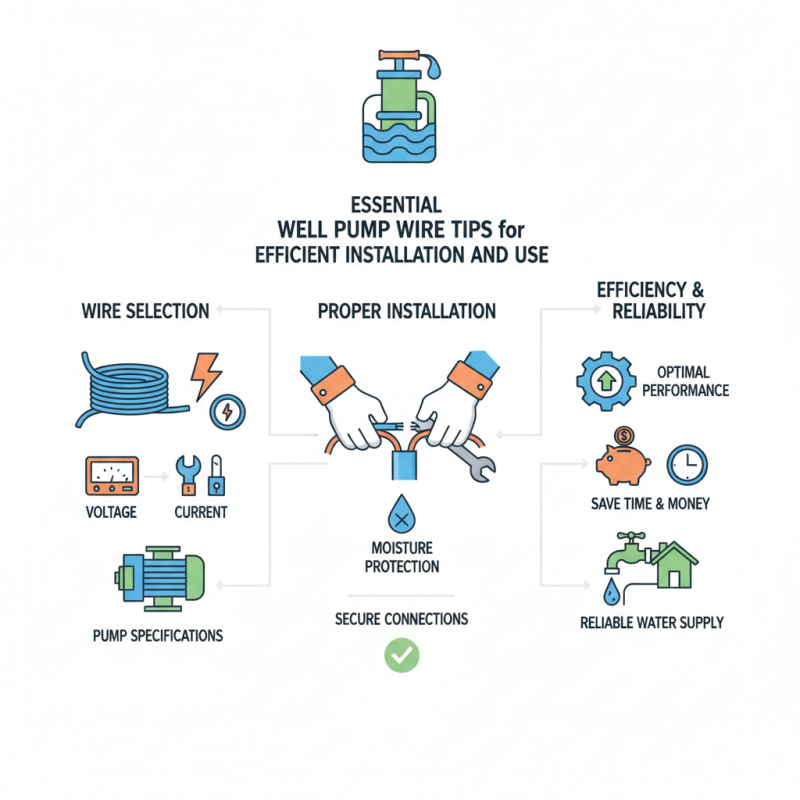
Installing a well pump requires careful attention to detail. One crucial component is the Well Pump Wire. Choosing the right wire is essential for ensuring the pump operates efficiently. Proper installation of this wire can prevent future issues, saving time and money.
The Well Pump Wire must handle the pump's voltage and current needs. Using inadequate wire can lead to overheating or pump failure. It’s vital to understand the specifications of your pump before purchasing wire. Many people overlook this aspect, leading to costly mistakes.
Installation is not just about connecting the wire. It's about ensuring connections are secure and protected from moisture. Improper connections could result in short circuits. A poorly installed well pump wire can reduce performance and reliability. Take the time to double-check your work, as the consequences of haste can be significant.
Essential Well Pump Wire Selection for Optimal Performance
Selecting the proper wire for well pumps is crucial. Poor wire choice can lead to inefficient operation. Research shows that the right wire gauge can impact energy consumption and the pump's longevity. For instance, using a wire that is too thin increases resistance. This can cause overheating and reduce the pump's performance. The Wire Manufacturer Association recommends using heavier gauge wires for deeper wells to mitigate these risks.
Consider the material of the wire as well. Copper wires, despite being more costly, offer lower resistance than aluminum wires. According to industry studies, copper wires can improve efficiency by up to 15% over aluminum. However, copper can be prone to corrosion in certain environments. This highlights the necessity of evaluating local conditions before selection.
Additionally, insulation type is another critical factor. Insulation materials can determine how well the wire can withstand environmental factors. For example, thermoplastic wire insulation has different durability compared to thermoset. Failing to account for these details may result in premature failure. Selecting the right wire isn't merely about cost; it’s about ensuring the pump operates effectively over time.
Understanding Voltage and Amperage Requirements for Well Pumps
When installing a well pump, understanding voltage and amperage is crucial. Well pumps generally require specific voltage levels, typically 120V or 240V, depending on the pump type and capacity. A study by the U.S. Department of Energy indicates that the right voltage ensures optimal performance and longevity. Improper voltage can lead to equipment failure, inefficiency, or even hazards like overheating.
Amperage requirements also play a significant role in installation. Well pumps normally draw between 5 to 20 amps. Exceeding this can lead to circuit overload. Proper wire gauge is vital; using the wrong wire can cause resistance and energy loss. For instance, using a 14-gauge wire with a pump drawing 15 amps might seem adequate initially, but it may heat up, risking damage over time.
Understanding these electrical demands can prevent costly mistakes. Many installers neglect to consult local electrical codes, which can vary widely. Ignoring these regulations can lead to dangerous situations and potential legal issues. Installer experience matters greatly—new installers may overlook voltage drops in long wire runs, which can drastically affect pump efficiency.
Installation Procedures for Well Pump Wiring: A Step-by-Step Guide
Installing a well pump requires careful attention to wiring procedures.
Begin by ensuring you have all required tools and safety equipment.
Remove any power to the pump circuit before beginning.
Clear the installation area of debris to create a safe workspace.
This not only makes the job easier but also helps prevent accidents.
Connect the pump wires following the electrical code in your region.
Use appropriate wire sizes based on your pump’s specifications.
Insulation is critical.
It protects against moisture and wear. Remember to double-check all connections.
Loose or incorrect wiring can cause significant inefficiencies.
Take the time to review your work before restoring power.
Have a professional inspect the installation if you're uncertain.
Reflect on your process afterward.
What went smoothly? What didn’t?
Documenting these observations can assist future installations. It can also enhance your skills over time.
A well-done installation will ensure many years of reliable well water service.
Common Mistakes to Avoid When Wiring Well Pumps
Wiring well pumps can be a daunting task. Many new installers make common mistakes that can lead to inefficiency or even damage. One vital error is using improper wire gauge. According to National Electrical Code (NEC) guidelines, the wire must be appropriately sized to handle the pump's load. If the wire is too thin, it can overheat and cause a failure. Always refer to the NEC for guidance on wire sizing based on the pump's horsepower.
Another common mistake involves neglecting to secure all connections properly. Loose connections can lead to arcing or intermittent operation, which severely affects performance. A study by the Electrical Safety Foundation International highlights that poor connections are a leading cause of electrical fires. Ensure that all connections are tight and properly insulated to prevent such risks.
Lastly, many overlook the importance of adhering to pump manufacturer guidelines when selecting wire types. Not all wires are suitable for wet conditions, which is often the case with well installations. Specialty wires designed for underground use can prevent corrosion and maintain conductivity. Neglecting these details can lead to costly repairs. Ensuring compliance with guidelines helps improve safety and efficiency in your well pump installation.
Essential Well Pump Wire Tips for Efficient Installation and Use
Safety Protocols and Best Practices for Well Pump Wiring
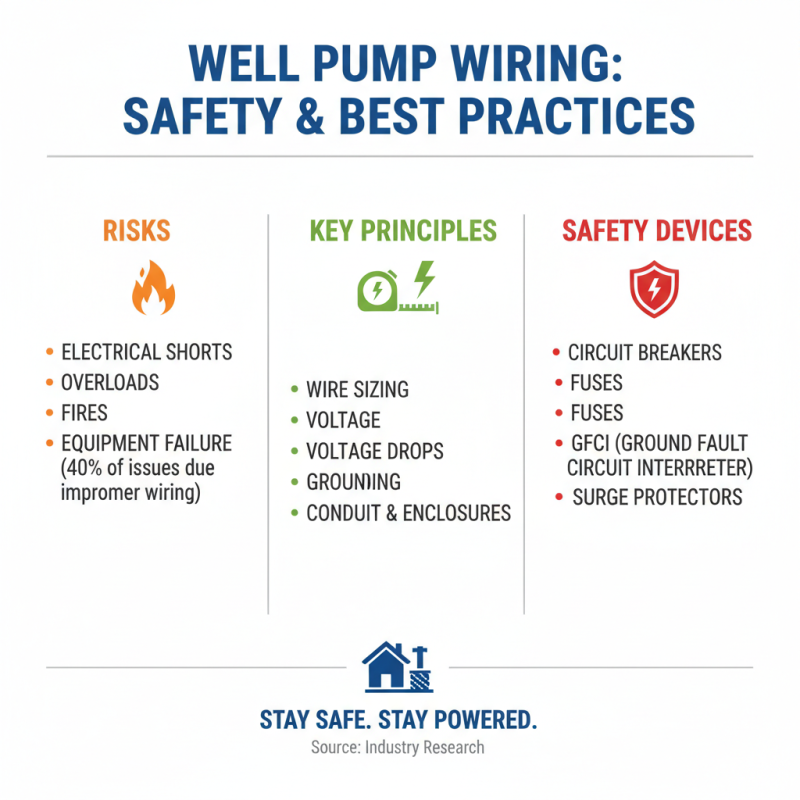
Wiring a well pump requires strict adherence to safety protocols. Electrical shorts and overloads can cause fires or equipment failure. Research indicates that improper wiring is a leading cause of well pump issues, accounting for nearly 40% of mechanical failures. Understanding wire sizing, voltage drops, and safety devices is crucial.
Use appropriate wire gauge for the distance from the power source to the pump. The National Electric Code (NEC) specifies that undersized wire can overheat, leading to failures. Install circuit breakers or fuses at the pump's power source. This protects against overloads and short circuits, enhancing overall system safety.
Grounding is another essential safety measure. It prevents electrical shock and ensures system reliability. Regular inspections of connections can identify corrosion and wear, which are common issues in well pump operation. Many professionals suggest checking wiring every six months to maintain efficiency. These proactive steps help prevent costly repairs and ensure optimal performance.