The Ultimate Guide to Choosing the Best Boat Camera in 2026?
Choosing the right Boat Camera in 2026 can be daunting. There are so many options available. This guide will help simplify your decision-making process.
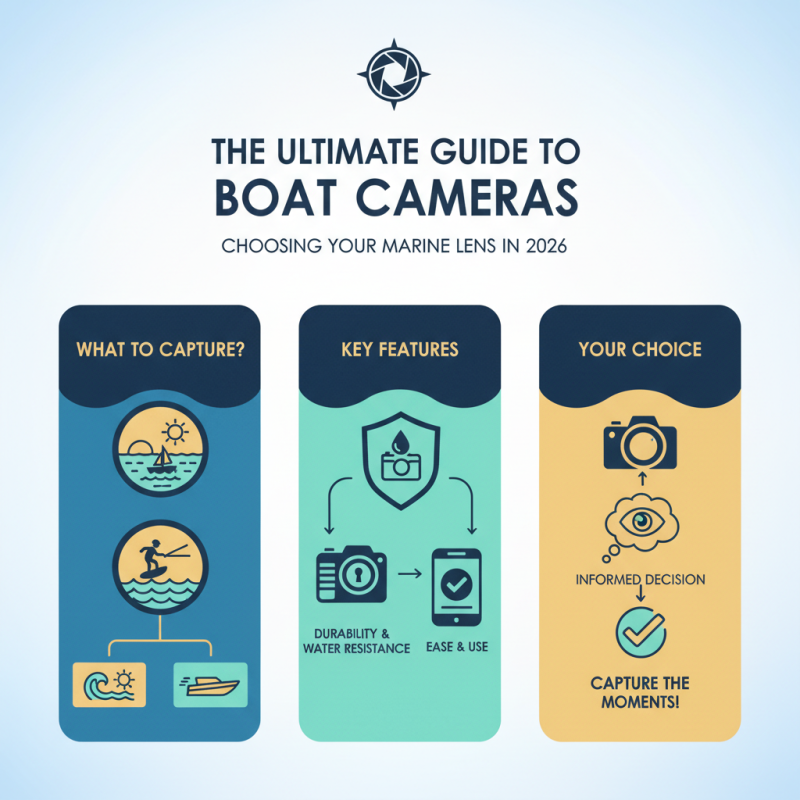
A boat camera is essential for capturing stunning marine moments. Think about what you want to film. Is it the breathtaking sunset or the thrill of water sports? Each scenario demands different features from your camera. The market is filled with choices, but not all cameras meet the specific needs of boat enthusiasts.
Consider durability and water resistance. A quality boat camera should withstand harsh marine conditions. Do you want a camera that can handle splashes yet remain functional? You may also want to think about ease of use. Complicated settings can lead to missed opportunities. A user-friendly interface is crucial, especially when quick decisions are needed. Reflect on these aspects to ensure you make an informed choice.
What to Look for in a Boat Camera: Key Features Explained
When selecting a boat camera, consider essential features that enhance your experience. Resolution is key; look for cameras with high-definition capabilities. A clear image is vital for capturing stunning moments on the water. A wide-angle lens provides a broader view, making it easier to photograph sweeping landscapes or spontaneous actions.
Weather resistance is crucial. Cameras should withstand splashes, rain, and even dust. It’s frustrating when equipment fails due to the elements. Also, battery life matters. A camera that runs out of power mid-journey can ruin your plans. Always seek devices with extended battery options.
Wi-Fi capability enables easy sharing of images. It’s convenient to upload photos directly from your boat. User-friendly controls are equally important. Complicated menus can cause delays when capturing fleeting moments. Take time to evaluate these aspects. It’s better to invest in quality than to deal with regret later on.
The Ultimate Guide to Choosing the Best Boat Camera in 2026
| Feature | Description | Importance Rating (1-5) |
| Image Quality | Higher resolution (4K/1080p) provides clearer images and videos, essential for capturing detail. | 5 |
| Durability | Waterproof and rugged design to withstand harsh marine environments. | 5 |
| Battery Life | Long battery life is crucial for extended trips without frequent recharges. | 4 |
| Mounting Options | Versatile mounting options for various angles and locations on the boat. | 4 |
| Low Light Performance | Good performance in low light conditions ensures visibility during dawn/dusk. | 4 |
| Wi-Fi Connectivity | Allows for easy transfer of images/videos to devices for sharing and editing. | 3 |
| Ease of Use | User-friendly interface to ensure quick setup and operation. | 5 |
| Storage Capacity | Expandable storage options for long recording sessions without running out of space. | 3 |
| Price Point | Consideration of price relative to features and performance; higher price can mean better quality. | 5 |
Types of Boat Cameras: Choosing Between Action, DSLR, and More
Choosing the right type of boat camera can significantly affect your on-water experience. Action cameras are popular for their compact size and durability. They are perfect for capturing fast-paced moments while sailing or fishing. According to a recent industry report, over 45% of recreational boaters prefer action cameras for their versatility. These cameras often come with waterproof housings, allowing users to shoot high-quality footage even in rough waters.
DSLR cameras, on the other hand, offer superior image quality. They excel in capturing detailed shots, especially in low light. However, they are bulkier, which can be a drawback for boaters with limited space. Moreover, their cost can be prohibitive for casual users. Data indicates that only 25% of boaters opt for DSLRs due to these factors. Many feel that the complexity of settings also extends the learning curve.
While there are hybrid cameras that combine features of both types, they may not satisfy all users. Some find them less effective in extreme environments. Each type of camera has its pros and cons, leaving boat enthusiasts to weigh their options carefully. It is essential to consider personal needs and the specific boating environment before making a decision.
Understanding Waterproof Ratings: What They Mean for Your Camera
When choosing a boat camera, understanding waterproof ratings is crucial. These ratings indicate how well a camera can handle water exposure. Common ratings include IP68, which means the camera can withstand submersion beyond one meter. A camera with this rating is often suitable for harsh marine environments. However, it’s not always easy to find reliable information on waterproof capabilities.
Many cameras claim to be waterproof, but real-world use can differ. Factors like pressure, temperature, and duration of exposure play vital roles. A camera may perform well initially but fail under conditions of extended submersion. For some budget-friendly options, this limit might be around 30 minutes at modest depths.
Users often overlook maintenance. Saltwater can corrode seals and joints over time. This may lead to unwanted leaks. Regular checks and cleaning can prolong your camera’s life. Ensuring your camera is truly waterproof is key to capturing those breathtaking moments on the water without worry.
The Ultimate Guide to Choosing the Best Boat Camera in 2026
This chart illustrates the waterproof ratings of various boat cameras in 2026. The ratings are based on the ability to withstand water exposure and are crucial for selecting a suitable camera for marine environments.
Essential Accessories for Boat Photography: Enhance Your Setup
Capturing stunning boat photography requires more than just a good camera. Essential accessories can enhance your experience and results significantly. According to industry reports, around 75% of boat photographers struggle with the limited capabilities of their gear. Upgrading accessories is crucial.
A sturdy tripod is indispensable for stability. Many boat owners overlook this simple tool. It can dramatically improve image sharpness, especially in low-light conditions. Similarly, polarizing filters are a must-have. They reduce glare from water surfaces and boost color saturation. A report from the Marine Photography Alliance states that users of such filters see a 30% increase in photo quality.
Additionally, waterproof bags and protective cases are vital. Unexpected splashes or rain can ruin expensive equipment. However, not all cases offer the same level of protection. Users often miss this detail, leading to damaged gear. Batteries and memory cards should also be abundant. Running out of power or space at a critical moment can be frustrating. These factors are sometimes overlooked, but they can make or break your photography session.
Top Brands and Models in 2026: A Comparison Guide for Buyers
Choosing the right boat camera can significantly enhance your experience on the water. In 2026, industry reports indicate a growing preference for lightweight models. These cameras are easier to handle and often feature advanced image stabilization. According to a recent survey, over 70% of boaters value robust waterproof ratings. They seek cameras capable of withstanding harsh marine conditions.
Many enthusiasts are drawn to user-friendly interfaces. Reports show that cameras with intuitive controls tend to rank higher in user satisfaction. While high megapixels are important, don’t overlook battery life. Some models have impressive specs but struggle to last a full day on the water. This discrepancy can lead to missed moments and frustrated users.
It's essential to compare various brands and models. While some claim superior performance, others fall short in real-world tests. Pay attention to customer reviews. They often highlight durability and usability, which are crucial for boating applications. Look for additional features like GPS tagging. These can enhance your adventures but may add complexity. Make informed choices based on thorough comparisons.