What is Sandblast Rubber Hose and How is it Used?
Sandblast rubber hose is a specialized product widely used in various industries. Its primary function is to transport abrasive materials under high pressure. Typically made from durable materials, this hose withstands extreme conditions. Many manufacturers prioritize flexibility and strength in their designs. Poor quality hoses often lead to leaks and premature wear.
In the construction and manufacturing sectors, sandblast rubber hose plays a vital role. Workers rely on it for tasks like cleaning surfaces and preparing materials. When using this hose, operators must be cautious. If not handled properly, it can result in safety hazards or equipment damage. This highlights the importance of choosing the right hose for specific tasks.
Additionally, the effectiveness of sandblast rubber hose depends on careful maintenance. Regular inspections are essential to ensure safe operation. Ignoring minor issues can lead to larger problems, such as costly downtime. Users often overlook these details until it’s too late. Ultimately, selecting the proper sandblast rubber hose and maintaining it can significantly impact project efficiency.
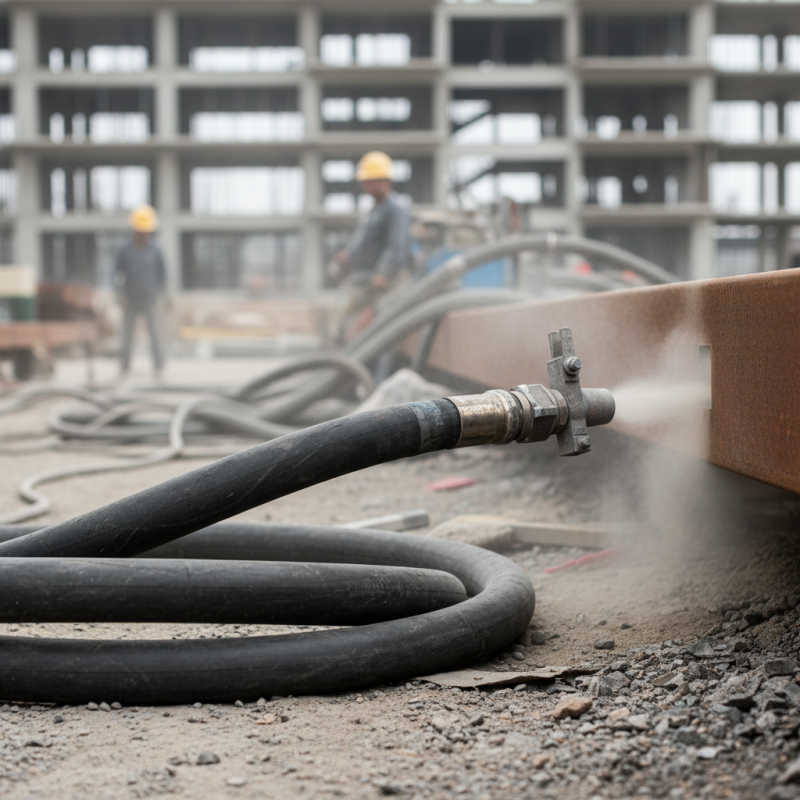
Definition and Composition of Sandblast Rubber Hose
Sandblast rubber hose is a specialized tool used primarily for sandblasting applications. This type of hose is designed to withstand high pressures and abrasive materials. Its composition typically includes a blend of rubber and reinforcement materials, making it strong and durable. The outer layer is often resistant to wear, while the inner lining maintains integrity under pressure.
The rubber used in sandblast hoses is crucial for their performance. It must resist cuts, tears, and extreme temperatures. Commonly, synthetic rubber is favored due to its superior tensile strength. Some hoses might incorporate additional features, such as spiral reinforcements, to enhance flexibility and prevent kinking during use. However, not all hoses are created equal, and choosing the right hose can be challenging.
Users often report varying experiences based on hose quality. Some discover that cheaper options wear out quickly, resulting in leaks or bursts. Testing different brands and types may lead to better solutions or highlight problematic areas. Overall, understanding the composition and function of sandblast rubber hoses is essential for effective use in various industries.
Sandblast Rubber Hose Usage and Composition Chart
Common Applications of Sandblast Rubber Hose in Various Industries
Sandblast rubber hoses are essential in various industries, particularly for abrasive materials. Their robust design allows them to endure high pressures and harsh environments. These hoses are often used in construction, manufacturing, and shipbuilding sectors. According to a recent industry report, the global sandblasting market is projected to reach $4.6 billion by 2025, reflecting a growing demand for durable hoses.
In construction, sandblast rubber hoses are crucial for surface preparation. They efficiently remove rust and paint, ensuring a clean substrate for coatings. The automotive industry also relies on these hoses for finishing tasks. A survey showed that over 60% of automotive manufacturers noted improved operational efficiency with the right sandblast equipment. However, the choice of hose impacts performance. Using inadequate hoses can lead to costly downtime.
In the shipbuilding sector, these hoses are vital for cleaning ship hulls. They help prevent corrosion and extend vessel lifespan. Yet, safety remains a concern. A report highlighted that improper handling of sandblast hoses resulted in multiple safety incidents last year. Training and regular inspections are necessary to mitigate these risks. Thus, the effectiveness of sandblast rubber hoses can heavily depend on industry practices and worker awareness.
Key Features and Benefits of Using Sandblast Rubber Hose
Sandblast rubber hoses are essential in industries for effective abrasive blasting. They are designed to withstand heavy wear and pressure, making them ideal for transporting abrasive materials like sand. These hoses have several key features that enhance their performance and longevity.
One important feature is their high resistance to abrasion. This ensures that the hose can handle the rough particles without wearing down quickly. Flexibility is another benefit. The hose maintains its shape while allowing for easy maneuvering around tight spaces. This means operators can work efficiently, even in difficult environments.
**Tip:** Always check for wear and tear on your hose. Signs of damage can lead to unexpected failures.
Users also appreciate the lightweight construction. This makes it easier to handle during extended periods of use. While these hoses are durable, some users might overlook regular maintenance. Ignoring the upkeep can lead to serious issues over time.
**Tip:** Keep the hoses clean after every use. Proper cleaning extends their lifespan significantly. Regular inspections can prevent costly replacements.
Ultimately, sandblast rubber hoses offer reliability and effectiveness. Choosing the right equipment is crucial for optimal performance. Weigh the features carefully to match your specific needs.
Maintenance and Care Tips for Sandblast Rubber Hose
Maintaining your sandblast rubber hose is crucial for its longevity. Regular inspections can spot wear and tear early. Look for cracks and abrasions on the surface. Damage can lead to leaks and reduced performance. Inspect the hose connectors, as they can loosen over time. Tightening them ensures a secure fit.
Cleaning your hose is another important task. Use mild soap and water to remove abrasive materials. Avoid high-pressure water, as it may damage the rubber. Allow the hose to dry before storing it. Proper storage helps prevent kinks and bends. A coiled hose is easy to store but can become damaged if not handled carefully.
Be aware of the environment where the hose is used. Extreme temperatures can affect rubber durability. Excessive exposure to sunlight may cause premature aging. Ideally, store your hose in a cool, dry place. Take the time for maintenance. Neglecting small issues can lead to larger problems later on. Regular care keeps your equipment functioning well for years.
What is Sandblast Rubber Hose and How is it Used?
| Dimension | Measurement | Recommended Use | Maintenance Tips |
| Inner Diameter | 1 inch | Ideal for small blast pots | Inspect for cracks regularly |
| Length | 25 feet | Suitable for remote blasting | Store in a cool, dry place |
| Working Pressure | 150 psi | For heavy-duty applications | Replace if pressure drops |
| Material | Rubber | Resistance to wear and tear | Clean regularly to avoid buildup |
| Temperature Rating | -20°C to 70°C | Versatile for various environments | Avoid extreme temperatures |
Safety Considerations When Using Sandblast Rubber Hose
When using sandblast rubber hoses, safety should always come first. These hoses are designed to withstand high pressure and abrasion, but they can still pose risks. Make sure to wear protective gear. Safety goggles, gloves, and masks are essential. Loose clothing can get caught in the equipment, so wear fitted work attire.
Check the hose for any signs of wear before each use. Cracks or leaks can lead to dangerous situations. Proper grounding also prevents static electricity build-up. If the hose is not grounded, sparks may occur during use. Always work in a well-ventilated area to avoid inhaling harmful dust particles.
It is easy to underestimate the power of sandblasting. Just a little oversight can cause injuries. Regularly review your safety procedures and ensure that all team members understand them. Training is vital. Simply following the rules is not enough; stay vigilant and continually assess the environment. This way, you can mitigate risks effectively while using sandblast rubber hoses.