
A Permanent Formwork Magnet is a reusable fixing device that holds formwork against a steel casting table during precast concrete production. Its magnetic force helps keep the mould in position while concrete is placed and compacted. Many systems use a mechanical button or lever to engage and release the magnet, though designs vary by manufacturer. The principle is simple. The practical details are not. Table thickness, surface condition, magnet capacity, and formwork geometry can all affect performance. A magnet that fits one setup may not suit another.
The wider context is resource efficiency. The United Nations Environment Programme and Global Alliance for Buildings and Construction reported in the 2024 Global Status Report for Buildings and Construction that buildings and construction account for 32% of global energy use and 34% of energy- and process-related carbon dioxide emissions. Those figures describe the sector, not the impact of formwork magnets specifically. Still, they underline why production methods deserve careful attention. In a precast plant, secure, repeatable formwork positioning can support consistent casting workflows and reduce avoidable adjustments. It is not a substitute for sound engineering. Buyers should check manufacturer data, rated holding force, release method, and compatibility with their casting bed before choosing a system. That distinction is easy to miss. This guide explains how a Permanent Formwork Magnet works, where it is used, and which practical checks matter most.
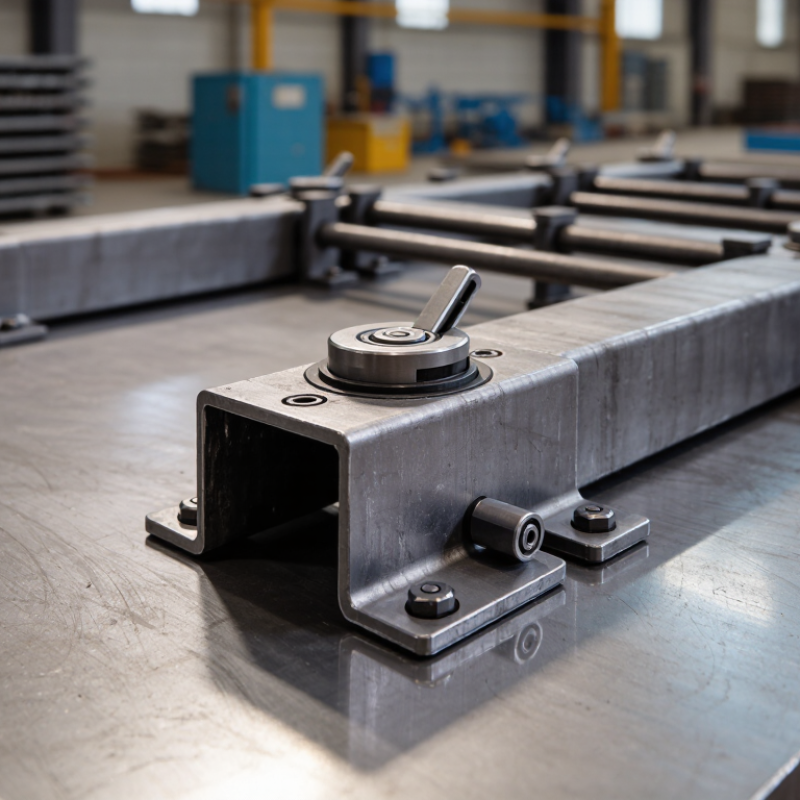
A permanent formwork magnet is a reusable fixture that holds steel side rails on a steel casting bed during precast concrete production. Its permanent magnets create the holding force; a mechanical switch or lever usually activates or releases the unit. No electrical supply is needed to maintain the magnetic force. In practice, an operator places the magnet against the bed, positions the rail, then engages the fixture. The rail forms the concrete edge. Simple, but not effortless.
The purpose is to keep formwork in position while concrete is placed and vibrated, then allow quicker repositioning for another casting setup. A magnet’s actual holding capacity depends on factors such as bed flatness, cleanliness, rail geometry, and applied loads. Concrete pressure matters. So does vibration. “Permanent” can be misleading: the magnet is reusable, but its setup still needs checking. UNEP and GlobalABC reported that buildings and construction produced 37% of global energy- and process-related CO2 emissions in 2022. That sector-wide figure does not measure magnet performance, but it reinforces the value of controlling material waste and rework. A well-positioned magnet can support repeatable setups; it cannot replace load checks or careful placement.
A permanent formwork magnet is built to hold steel formwork in position during concrete casting. Its main components are a steel housing, a magnetic core, and a release mechanism. The housing protects the magnets and provides a flat contact face against the formwork. It is commonly made from carbon steel, which is strong and easy to machine. Small parts matter.
The magnetic core often uses neodymium magnets because they provide strong holding force in a compact unit. A push-button or lever shifts the magnetic circuit, switching the holding force on or off. Some designs include threaded holes or adapters for connecting the magnet to different formwork profiles. These parts may be steel, with protective coatings to reduce corrosion. Coatings can wear, especially around edges. Even a powerful magnet may perform poorly if concrete residue, rust, or a gap keeps its face from sitting flush. Rated force also depends on the supporting steel and setup, so check the manufacturer’s technical data for the intended application.
Tips: Keep the contact face clean and inspect the release mechanism before use. Avoid striking the housing to free a stuck magnet; this can damage the assembly. A quick visual check helps, though it cannot replace proper maintenance.
| Component | Common Materials | Purpose | Practical Notes |
|---|---|---|---|
| Magnetic core or magnet block | Neodymium-iron-boron (NdFeB) or, in some designs, ferrite permanent magnets | Creates the magnetic holding force that secures the assembly to a steel casting bed or formwork surface. | Magnet type and size vary by design. The rated holding force depends on the contact surface, steel thickness, air gaps, and operating conditions. |
| Housing or casing | Typically steel, such as carbon steel; surface protection may include paint or a metallic coating. | Holds and protects the magnet assembly and helps direct magnetic flux toward the working surface. | The casing is a structural part of the assembly and should be checked for deformation, corrosion, and concrete buildup. |
| Switching button or actuator | Steel components, sometimes combined with polymer parts or protective covers | Moves the magnetic system between its engaged and released positions in switchable designs. | The operating method depends on the model; follow the equipment instructions and keep the mechanism clear of debris. |
| Contact face or pole surface | Machined steel, usually part of the housing or pole structure | Provides the interface between the magnet assembly and the steel bed or formwork. | A flat, clean contact face helps reduce gaps that can lower magnetic holding performance. |
| Threaded connection or adapter | Steel, commonly carbon steel or stainless steel depending on the design and exposure conditions | Connects the magnet to a formwork profile, bracket, or other compatible fixture. | Thread type and load capacity are design-specific; use compatible fittings and observe the specified working limits. |
| Release lever or handling feature | Usually steel; some designs use a separate tool rather than an attached lever. | Helps an operator disengage or reposition the assembly when the design provides a mechanical release. | Not present on every model. Use the intended release method to avoid damaging the magnet or casting bed. |
A permanent formwork magnet is a reusable magnetic fixing device used to hold formwork or shaping profiles on ferromagnetic steel casting beds, commonly in precast concrete production. Its exact construction and materials depend on the magnet design and application.
A permanent formwork magnet secures a steel form to a precast bed without bolts or welding. Inside its steel casing, permanent magnets create a magnetic field. When the unit is switched on, magnetic flux passes through the form and into the steel bed, creating a strong holding force. A lever or button redirects the flux when the form needs to be released. No battery is involved. The magnet itself stays magnetized; the switch changes where its field travels.
The holding force depends on practical details: clean contact, a flat bed, and the form’s steel thickness. A small gap from dried concrete can weaken the connection. So can a warped panel. The Global Cement and Concrete Association estimates that about 14 billion cubic metres of concrete are produced worldwide each year. The International Energy Agency reports that cement production contributes roughly 7% of global CO₂ emissions. These figures show the scale of concrete production, not a guaranteed saving from magnets. Still, reusable magnetic fixtures can make setup simpler. One caveat: “permanent” can sound maintenance-free, but operators still need to inspect switches, contact surfaces, and magnet casings. A quick check matters.
Permanent formwork magnets hold steel side forms or inserts against a casting bed without drilling into the table. Common types include compact shuttering magnets, magnetic boxes with a push-button release, and adapter systems that connect a magnet to different form profiles. Their uses overlap, but they are not interchangeable in every setup. A box magnet may suit repeated production, while a compact unit can fit narrow formwork. Small parts matter. Check the form geometry and bed surface before choosing.
Design features affect daily handling as much as holding force. A steel housing protects the magnet assembly from impact and concrete residue, while a lever or button moves the internal magnet to switch its grip. The contact face should sit flat against a clean steel bed; a thin layer of slurry or a small gap can reduce performance. Rated force is useful, but it does not replace a practical load check with the actual form, vibration, and placement conditions. Some units also offer replaceable adapters, which simplify changes between profiles. They add joints, though, and those can collect debris or loosen if neglected. A tidy specification sheet cannot show every site condition.
What Is a Permanent Formwork Magnet?
Applications in Precast Concrete Production
In precast production, permanent formwork magnets secure steel side forms to a casting bed without drilling or welding. A switchable magnetic base is positioned, locked, and pressed against the bed; the form can then be aligned for the required panel dimensions. This is useful for repeatable wall panels, beams, and openings, especially when layouts change between pours. Small detail. Concrete residue beneath the base can weaken contact, so clean, flat surfaces matter.
The scale is substantial. The U.S. Geological Survey’s Mineral Commodity Summaries 2024 estimates U.S. cement production at 91 million metric tons in 2023. The figure covers cement broadly, not precast alone, but it shows why reliable production equipment matters. In a plant, magnets can reduce setup steps and avoid bed damage, while allowing crews to reposition forms with ordinary handling tools. They do not replace proper bracing or checks against fresh-concrete pressure.
Before each pour, operators should inspect the magnet, bed, and form contact points, then confirm the assembly stays put. Follow the magnet maker’s rated holding force for the actual surface and loading conditions. I have seen teams treat a clean-looking bed as ready; it may still have a thin film of paste. That assumption deserves a second look. The USGS data provides scale, but production gains depend on disciplined setup, not the magnet alone.
What Is a Permanent Formwork Magnet? A permanent formwork magnet uses a magnetic force to hold steel formwork or selected fixtures in position on a steel casting bed, without continuous electrical power.
This chart identifies common application types. A value of 1 marks a typical use; it does not represent frequency, holding force, or product performance.