How Will Industrial Automation And Robotics Shape The Future?
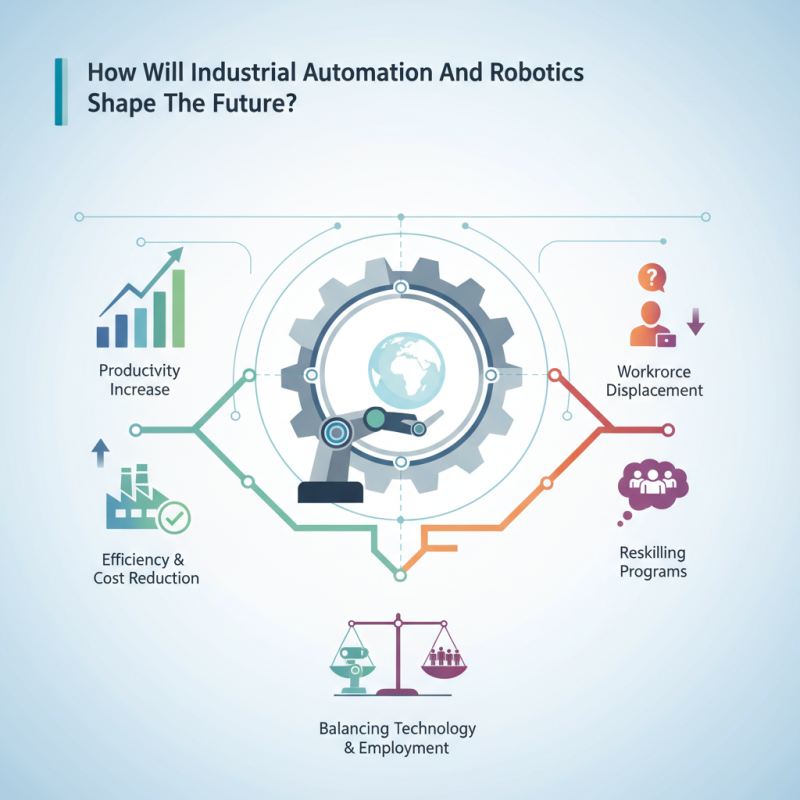
The integration of industrial automation and robotics is set to transform various sectors significantly. According to a report by McKinsey, automation could raise productivity globally by 0.8 to 1.4 percent annually. This indicates a substantial shift in how businesses operate, enhancing efficiency and reducing costs. Key areas like manufacturing and logistics are already reaping rewards from robotic innovations.
However, despite the advantages, concerns persist. Workforce displacement due to robots is a prominent issue. A World Economic Forum study mentions that 85 million jobs may be displaced by 2025. While automation improves productivity, it requires careful consideration of its social implications.
Furthermore, industries are urged to invest in reskilling programs. Balancing technology advancement with human employment remains a complex challenge. As we navigate this evolving landscape, the "Industrial Automation And Robotics Future" emphasizes both opportunity and reflection on our choices. The path forward demands accountability and strategic foresight to harness innovation responsibly.
The Definition and Scope of Industrial Automation and Robotics
Industrial automation and robotics are transforming various sectors. Defined broadly, industrial automation refers to the use of control systems for operating equipment in manufacturing, and robotics involves the creation of machines that can perform tasks automatically. A report from McKinsey estimates that automation could increase productivity by 1.4 to 2.0 times in certain industries. With these advancements, there is a shift toward more efficient processes.
The scope of industrial automation extends beyond manufacturing. It encompasses logistics, warehousing, and supply chain management. For instance, a recent study highlighted that nearly 55% of warehouses have adopted some form of automation to enhance operational efficiency. However, a challenge emerges: these technologies may displace jobs, causing concern among workers. The World Economic Forum notes that while automation could create 97 million new jobs, up to 85 million could be lost in the transition.
Implementation isn't without its hurdles. Companies face high initial costs and the need for skilled personnel to manage these systems. Despite the promise of increased efficiency, the journey towards complete automation requires careful planning and consideration of workforce implications. Such complexities remind us that the integration of these technologies must be thoughtfully addressed, ensuring a balance between innovation and human employment.
Key Technologies Driving Industrial Automation and Robotics
Industrial automation and robotics are revolutionizing the manufacturing landscape. According to a report from McKinsey, the adoption of automation technologies could increase global productivity by up to 1.4% annually. Key technologies such as artificial intelligence (AI), the Internet of Things (IoT), and advanced robotics drive this change. AI enables machines to learn from data and make real-time decisions, optimizing production processes.
Moreover, IoT connects devices, allowing for seamless data exchange across systems. A study by PwC indicated that nearly 73% of manufacturers are adopting IoT to enhance operational efficiency. However, there are challenges. Implementing these technologies requires a significant upfront investment and skilled labor. Around 60% of companies report difficulties in finding qualified personnel to operate and maintain advanced systems. This gap in skills may hinder progress and widen the divide between industry leaders and laggards.
The rise of collaborative robots, or cobots, presents another layer of complexity. These robots work alongside human workers, enhancing productivity but also raising concerns about job displacement. A report by the World Economic Forum predicts that while automation will eliminate some jobs, it will also create new roles that demand different skills. Balancing these opportunities and risks remains a significant challenge for industries.
Impact of Industrial Automation on Workforce Dynamics
Industrial automation and robotics are transforming workforce dynamics in profound ways. The integration of these technologies is leading to increased efficiency and productivity across various sectors. However, this shift also raises significant concerns regarding job displacement. Many roles that involve repetitive tasks are at risk, prompting a need for workers to adapt quickly.
As machines take over mundane tasks, the demand for skilled workers is on the rise. Upskilling and reskilling have become crucial for those looking to thrive in the evolving job market. Educational systems must adapt to train future workers in advanced technologies. This presents both an opportunity and a challenge. Workers may feel overwhelmed by the pressure to learn new skills rapidly.
On the other hand, automation can create new roles that did not exist before. These positions often require a blend of technical and soft skills. Companies may struggle to find candidates with the right qualifications. This gap might lead to a temporary sense of instability. The balance between automation and human labor is delicate, and it requires thoughtful consideration from all stakeholders.
Benefits of Robotics in Various Industries
Industrial automation and robotics are transforming various sectors by enhancing efficiency and productivity. In manufacturing, robots streamline processes, reducing production time and errors. They can work continuously without fatigue, leading to higher output. This capability allows companies to meet consumer demands effectively.
In healthcare, robotics aids in surgeries, providing precision that human hands may not achieve. Surgical robots can minimize recovery time for patients. Rehabilitation robots assist individuals in regaining mobility, improving their quality of life. However, reliance on such technology raises questions about job displacement in the healthcare workforce.
Agriculture also sees the benefits of robotics. Automated systems can plant, water, and harvest crops with minimal human intervention. This innovation fosters sustainable farming practices. Yet, it also presents challenges regarding cost and access for small farmers. Balancing automation with traditional methods may be necessary for optimal success.
How Will Industrial Automation And Robotics Shape The Future? - Benefits of Robotics in Various Industries
| Industry | Benefits of Robotics | Automation Impact | Future Trends |
| Manufacturing | Increased productivity | Streamlined operations | Smart factories |
| Healthcare | Precision in surgeries | Enhanced patient care | Telemedicine advancements |
| Logistics | Faster delivery times | Optimized supply chains | Robot delivery systems |
| Agriculture | Increased crop yields | Efficient resource use | Autonomous farming |
| Construction | Improved safety | Faster construction processes | 3D printing technologies |
Future Trends and Innovations in Industrial Automation and Robotics
Industrial automation and robotics are revolutionizing the manufacturing landscape. According to a report by McKinsey, nearly 70% of jobs in manufacturing could be automated by 2030. This immense shift raises questions about workforce adaptation and skills development. As machines become more capable, the need for skilled operators will increase, and reskilling will be essential.
Innovations in robotics, like collaborative robots (cobots), are transforming workflows. These machines work alongside human workers, enhancing productivity without replacing jobs. A recent study by the International Federation of Robotics indicates that the global market for cobots could reach $12 billion by 2025. However, implementing these systems presents challenges, such as integration with existing technologies and ensuring safety standards.
While the potential benefits are significant, we must also consider the ethical implications. Automation can lead to job displacement, particularly in low-skilled positions. As industries evolve, there should be a focus on creating pathways for those affected by these changes. Balancing innovation and workforce stability is crucial for a sustainable future in industrial automation.