What is a Gift Paper Bag Machine and How Does it Work?
The Gift Paper Bag Machine plays a vital role in modern packaging solutions. These machines streamline the production of elegant paper bags favored by retailers and consumers alike. As businesses shift towards eco-friendly options, the demand for gift paper bags increases.
Understanding the intricacies of this machinery can enhance productivity. It typically operates through a series of processes: feeding, folding, gluing, and cutting. Each step is crucial to ensuring quality bags. However, not all machines perform equally. Some manufacturers might cut corners, leading to subpar output.
Investing in a reliable Gift Paper Bag Machine is essential. It can significantly affect a company's brand image and customer satisfaction. Choosing the right machine requires careful consideration. Balancing cost and quality remains a challenge. As with any machinery, potential flaws can arise. Regular maintenance and skilled operators are vital for optimal performance.
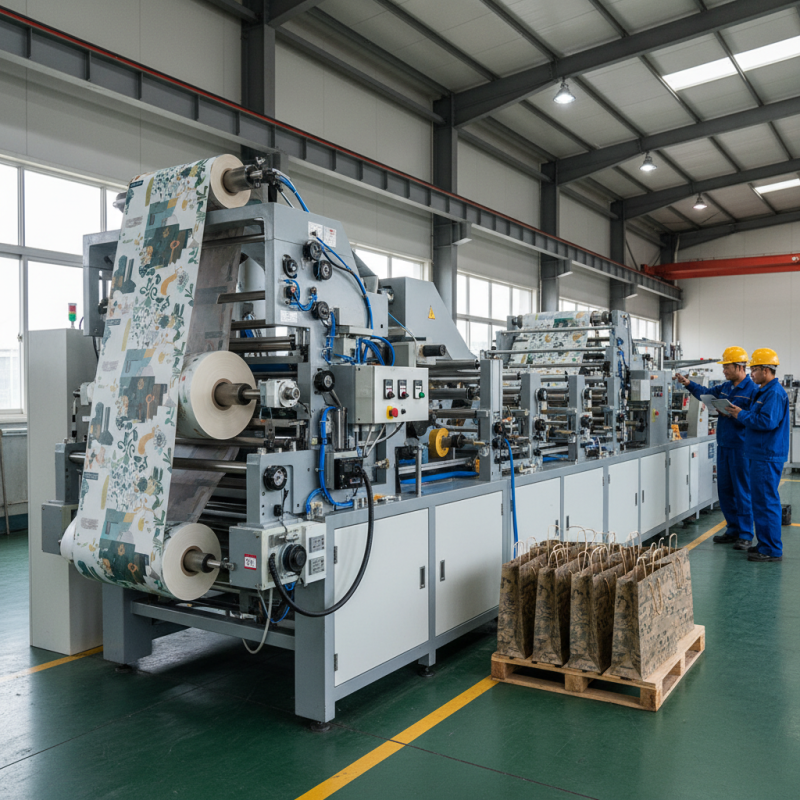
Definition of a Gift Paper Bag Machine
A gift paper bag machine is a specialized device designed to produce paper bags for various occasions. These machines combine technology and design to streamline the production process. They can create bags of different sizes and styles, catering to diverse customer needs.
A typical machine operates by feeding rolls of paper through cutting and folding mechanisms. This results in sturdy and appealing bags ready for printing or branding.
The machine's process starts with paper unwinding from rolls. Sensors ensure the right tension is maintained throughout production. The paper is then cut into specific dimensions. After cutting, it moves through the folding system, where handles are often attached. Quality control is vital, as bags must be durable and visually attractive. Automation in these machines enhances efficiency but requires skilled operators for maintenance and troubleshooting.
Despite advancements, some challenges remain. Inconsistent paper quality can lead to defects. Operators must be vigilant in monitoring output. Regular calibration is crucial for consistent results. Overall, while gift paper bag machines greatly enhance productivity, continuous improvement and oversight are essential for optimal performance.
Components of a Gift Paper Bag Machine
A gift paper bag machine is essential in the packaging industry. Its components work together to create high-quality bags. Understanding these components helps businesses choose the right machine.
The main component is the paper feed system. It selects and transports paper rolls. This automation increases efficiency. Studies show that automated systems can boost production by up to 30%. Another critical part is the printing unit. This unit allows for custom designs and logos, enhancing branding. Quality control is crucial here. Inconsistent prints can damage a company’s image.
Sealing and cutting mechanisms are also vital. They ensure that bags are securely sealed. Poor sealing can lead to product damage during transport. Additionally, the machine may include a folding unit. This unit prepares the bag for easy assembly. Without proper fold accuracy, manual assembly becomes necessary, slowing down production. Each component’s performance impacts the overall efficiency. Therefore, businesses must carefully evaluate their machine's capabilities.
What is a Gift Paper Bag Machine and How Does it Work? - Components of a Gift Paper Bag Machine
| Component | Description | Function | Material Used |
| Paper Feed System | Feeds the paper into the machine for bag production. | Ensures a continuous supply of paper for uninterrupted operation. | Cardboard, Kraft Paper |
| Printing Unit | Applies graphics or text to the paper before forming bags. | Enhances marketing by adding visual elements to the bags. | Flexographic Printing Plates |
| Bag Forming Unit | Shapes the paper into a bag structure. | Creates various designs and sizes of bags. | Steel and Aluminum |
| Sealing Mechanism | Seals the edges of the paper bag. | Ensures durability and strength of the bag. | Heat Sealing Wire |
| Cutting Unit | Cuts the finished bags from the paper roll. | Allows for the quick production of individual bags. | High-Carbon Steel Blade |
| Control System | Monitors and regulates the machine's functions. | Ensures efficient operation and quality control. | Electronics and Sensors |
Operating Principles of a Gift Paper Bag Machine
A gift paper bag machine represents a clever innovation in packaging. It automates the production of paper bags used for gifts and retail products. Understanding its operating principles is key to appreciating its role in manufacturing.
The machine typically consists of several components: a feeder, a forming unit, and a sealing mechanism. The feeder supplies sheets of paper into the machine. Once the paper is in place, the forming unit shapes the bags. It folds, glues, and cuts the paper accurately. Finally, the sealing mechanism secures the bag's bottom. This process is efficient and reduces waste, yet issues can arise. Paper jams and misalignments may occur, leading to production delays.
Tips: Regular maintenance of the machine can prevent many common problems. Keeping the feeding area clean ensures smooth operation. Additionally, checking the paper stock for quality can improve overall output. Remember, even small adjustments can make a difference. Use test runs to identify potential flaws before full production. Adjusting settings may lead to unforeseen improvements.
Types of Gift Paper Bag Machines and Their Applications
Gift paper bag machines are versatile tools used in the packaging industry. They come in various types, each suited for different production needs. Some machines focus on creating simple paper bags, while others can produce intricate designs with handles and custom print options. Understanding these types can help businesses choose the right equipment for their needs.
One popular type is the flat paper bag machine. This machine produces flat bags that are cost-effective and easy to store. These bags are often used in retail environments. Another type is the square bottom paper bag machine. It creates bags with a sturdy base, ideal for carrying heavier items. This design is preferred for grocery and specialty shops.
Different machines cater to diverse applications. High-speed production machines are crucial for businesses with large output demands. Conversely, smaller, more manual machines are suitable for artisanal producers who value craftsmanship. Each type has its own strengths and limitations, and companies must assess their requirements carefully. Understanding these aspects is essential for making informed purchasing decisions.
Benefits of Using a Gift Paper Bag Machine in Packaging
Gift paper bag machines offer significant advantages in the packaging industry. They are designed to produce durable, attractive bags quickly and efficiently. These machines streamline the production process, allowing businesses to meet high demand with ease. Using a gift paper bag machine can also reduce labor costs significantly. Automated processes minimize the need for extensive manual work, freeing up employees for other tasks.
Another benefit is the ability to create custom designs. With various templates and features, businesses can produce bags tailored to their branding needs. This flexibility in design helps companies stand out. Additionally, the use of eco-friendly materials in these machines supports sustainability efforts. Consumers are increasingly looking for environmentally responsible products, and gift paper bags meet that trend.
However, there may be challenges in initial setup and training. Adapting to new technology can require time and resources. The investment in a machine might be considerable, especially for small businesses. It is important to weigh these factors against long-term benefits. Despite these considerations, the advantages of a gift paper bag machine often outweigh the drawbacks.
Benefits of Using a Gift Paper Bag Machine in Packaging