What is a Gate Valve and How Does it Work?
Gate Valves are essential components in various industries, controlling the flow of liquids and gases. According to a report by Allied Market Research, the global gate valve market is projected to reach $5.58 billion by 2025. This highlights their significance in sectors such as oil and gas, water treatment, and power generation.
Gate valves operate using a simple mechanism that raises or lowers a gate to start or stop flow. Despite their effectiveness, they do have limitations. For instance, they are not suitable for throttling applications due to the risk of damage from turbulence. Additionally, maintenance often gets overlooked, leading to inefficiencies over time.
While gate valves can create strong seals, wear and tear can affect their performance. Industry surveys indicate that nearly 30% of gate valves may experience leakage. Understanding their operation and shortcomings is crucial for improving efficiency and reliability in fluid control systems.
What is a Gate Valve?
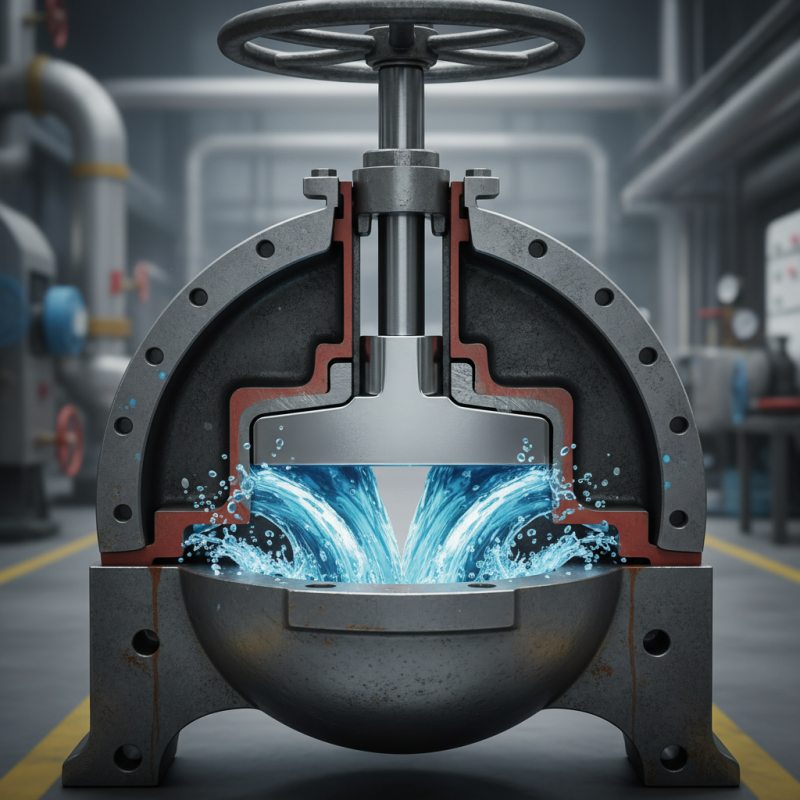
A gate valve is a type of valve used to control the flow of liquids or gases in a piping system. It operates on a simple principle. When the valve is open, a gate or wedge is lifted to allow flow. When closed, the gate creates a tight seal, stopping the flow completely. This design makes it ideal for on/off control.
Gate valves are commonly found in water supply and wastewater treatment applications. Their construction typically includes a handle for operation and a body housing the gate. They can be made of various materials, such as metal or plastic. While effective, gate valves require full rotation to open or close, which might be inconvenient in some situations.
Maintenance can also be a challenge. Over time, the gate may become corroded or the seals may wear out. This can lead to leaks or inefficient operation. Regular inspection is essential to ensure functionality. Users should be aware of these limitations when choosing gate valves for their systems.
Key Components of a Gate Valve
Gate valves play a crucial role in regulating fluid flow in various systems. Understanding their key components can help in troubleshooting and maintenance. The main parts of a gate valve include the body, seat, and gate. The body houses all components, providing structure and durability. The seat is where the gate rests when closed, creating a seal that prevents fluid flow.
The gate is a flat piece that moves up and down. When lifted, flow is allowed. When down, it blocks fluid. This design minimizes pressure loss across the valve. Keep in mind that the material of these components can vary, affecting performance and longevity.
Tips: Regular inspections of these components can prevent unexpected failures. Look for signs of wear or corrosion. If your gate valve becomes hard to turn, it may indicate an underlying issue. Address these problems early to avoid costly repairs later. A well-maintained gate valve leads to efficient operations, enhancing your overall system reliability.
How Gate Valves Operate: Mechanism Explained
Gate valves are crucial in fluid control systems. They excel in fully opening or closing the flow, but they aren’t great for throttling. The mechanism involves a gate or wedge that moves up and down with a handwheel or actuator. When the valve is open, the gate lifts completely, allowing fluid to pass through unobstructed. Reports show that gate valves can achieve an almost 100% flow area, making them efficient for many applications.
When operating a gate valve, pressure is vital. High pressure can lead to quick wear and tear on the components. Referring to data from industry standards, valves should be regularly inspected for wear to prevent failures. Many professionals overlook maintenance schedules until problems arise. Regular checks can extend the life of the valve and ensure optimal performance.
Tip: Always check the valve’s sealing surface for erosion. A small imperfection can lead to leaks. Proper lubrication of moving parts is also crucial for smooth operation. Remember, being proactive is better than being reactive. This can save time and money in the long run.
Advantages and Disadvantages of Gate Valves
Gate valves are popular choices in various industries due to their unique design and functionality. One major advantage is their ability to provide minimal flow resistance. This feature ensures that fluid flows smoothly through the pipe when the valve is fully open. Additionally, they are excellent for applications that require tight sealing. When closed, a gate valve can prevent leakage effectively.
However, gate valves have notable disadvantages. They are not ideal for regulating flow. If you need precise control, these valves might not be the best option. Moreover, they require significant space to operate. The gate must rise completely to open fully. This can be an issue in tightly packed setups.
Maintenance is another concern. While they are relatively durable, gate valves can become stuck if not used for extended periods. This can lead to challenges during troubleshooting. Regular checks are essential to ensure functionality. Failure to do so may result in costly repairs or replacements. Balancing these pros and cons is crucial for making an informed decision on using gate valves in your project.
Common Applications of Gate Valves in Various Industries
Gate valves are widely used in various industries due to their robust design and reliable operation. They function by raising or lowering a gate to control the flow of liquids and gases. This makes them ideal for applications requiring a full flow of media without causing turbulence.
In the oil and gas industry, gate valves are critical for controlling the flow of crude oil and natural gas. They provide reliable isolation, ensuring safety during operations. In water treatment facilities, these valves manage water flow during various purification processes. Their ability to fully open allows for minimal pressure drop and efficient flow rates.
**Tips:** Always ensure that the gate valve is fully opened or closed to avoid wear. Regular inspections can catch early signs of wear and tear. Remember, improper use can lead to leaks or failures over time.
In the mining sector, gate valves control the flow in processing plants. Their durability helps in extreme conditions, but they can also fail if not maintained properly. It’s essential to choose the right type for each specific situation to avoid operational hazards. Employing gate valves correctly can dramatically improve efficiency while reducing unexpected downtime.
Common Applications of Gate Valves in Various Industries