Essential Welding Protection Gear You Need for Safety?
Welding is a critical skill, but it comes with risks. Protecting yourself is essential, and Welding Protection gear plays a significant role. Without proper gear, even small sparks can cause serious injuries. The right equipment shields you from potential hazards like UV radiation, heat, and flying debris.
Imagine a day at the workshop without adequate protection. A single moment of carelessness can lead to burns or respiratory issues. It's crucial to have protective clothing, gloves, and masks to minimize such risks. Many welders overlook the importance of gear. This can lead to regret and painful consequences later on.
Investing in quality welding protection is not just smart; it is vital. Each piece of gear serves a purpose. From helmets to flame-resistant jackets, every item matters. Without them, you are vulnerable. Reflecting on past experiences can highlight the need for safety. Prioritizing protection will ensure a safer and more productive work environment.
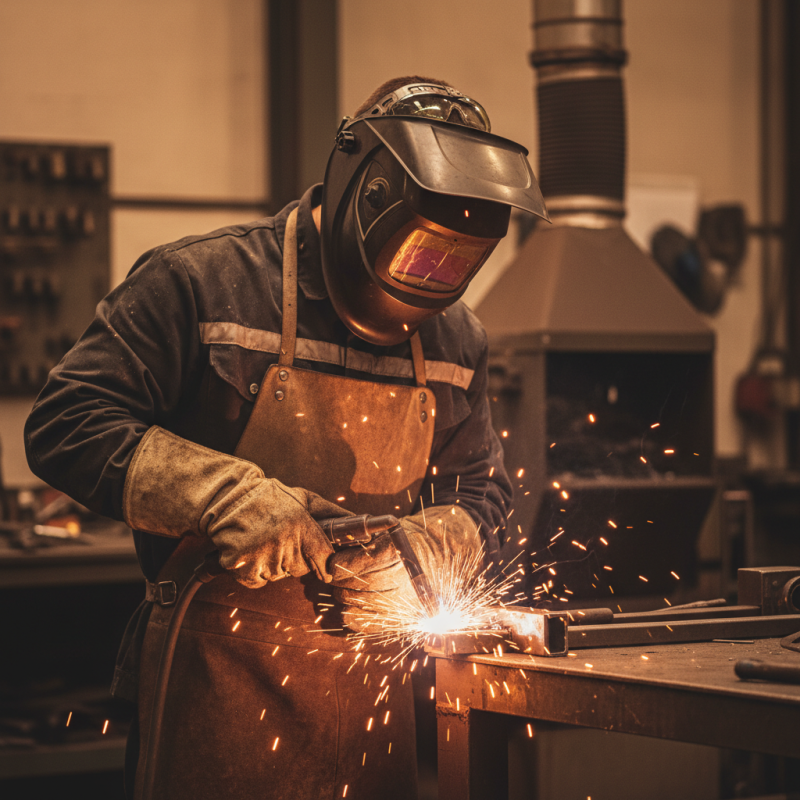
Types of Protective Gear Essential for Welders
Welding is a rewarding yet hazardous profession. Protecting yourself should be a top priority. Several types of protective gear are essential for your safety.
One critical item is a welding helmet. It protects your face and eyes from harmful rays. Look for a helmet that can adjust to various light intensities. This way, you can see what you're working on without risking eye damage. Gloves are equally important. They should be flame-resistant and durable. You need gloves that allow you to grip tools while protecting your hands from sparks.
Additionally, wearing the right clothing is crucial. Fire-resistant jackets and pants can shield your skin from sparks and heat. Not all fabrics offer equal protection. Some may catch fire easily, leading to serious injuries. Don't overlook your feet; high-top boots provide ankle support and protection from heavy objects. While finding the perfect fit can be challenging, ensuring you are well-protected is worth the effort.
Essential Welding Protection Gear You Need for Safety
Importance of Proper PPE in Welding Safety
Welding is a high-risk profession. The importance of proper personal protective equipment (PPE) cannot be overstated. According to the Occupational Safety and Health Administration (OSHA), proper protective gear can reduce work-related injuries by up to 90%. Many welders underestimate the hazards. This can lead to severe burns, vision loss, and respiratory issues.
Welding fume exposure is a significant concern. Studies show that workers exposed to fume can develop chronic respiratory problems. It’s crucial to wear a respirator or a welding helmet with proper filtration. Eye protection is equally important. UV and IR rays can cause permanent eye damage. A good-quality helmet is essential. Many welders take shortcuts, using inadequate gear. This can have tragic consequences.
Tips: Always check your PPE before starting work. Replace any gear that shows signs of wear and tear. Regularly inspect your welding helmet and lenses. If visibility is impaired, you are at risk. Remember, safety comes first. Take the time to equip yourself properly. Small oversights can lead to severe injuries. Make safety a habit, not an afterthought.
Essential Welding Protection Gear You Need for Safety
| Protective Gear | Importance | Key Features |
| Welding Helmet | Protects eyes and face from sparks and UV rays | Auto-darkening, adjustable, and lightweight |
| Protective Gloves | Prevents burns and cuts from metal and sparks | Heat-resistant, durable, and good grip |
| Flame-Resistant Clothing | Minimizes the risk of burns from sparks | Made from materials that self-extinguish, comfortable fit |
| Respirator | Protects from harmful fumes and gases | Filters for particulate matter, comfortable fit |
| Safety Boots | Protects feet from heavy objects and lava | Steel-toe, anti-slip, and heat-resistant |
Guidelines for Selecting Safety Gear for Welding
Welding safety gear is crucial to protect against various hazards. When selecting protective gear, consider your specific welding processes. Different types of welding produce distinct heat and light levels. Understanding these factors helps in making informed choices.
Start with a high-quality welding helmet. It should have a proper lens shade to protect your eyes from bright arcs. A dark shade provides comfort and focus. It also prevents glare and improves visibility. Check the weight of the helmet. Heavier models can cause fatigue over time.
Don’t forget about gloves and protective clothing. The gloves should offer dexterity and heat resistance. Look for durable materials that can withstand sparks and spatter. Your clothing should cover exposed skin completely. This includes long sleeves and high collars. Consider flame-resistant fabrics for added protection. Reflect on your workspace too; lighting and ventilation play significant roles in safety. A brighter workspace may lessen eye strain. Adequate airflow helps reduce fume inhalation risks.
Maintenance and Care of Welding Protection Equipment
Welding protection gear is crucial for safety, but maintenance is often overlooked. Regularly check your gear for signs of wear. For instance, inspect helmets for cracks and visors for scratches. If you notice any damage, it’s time to replace those parts. Small issues can lead to bigger problems.
Cleaning your equipment is essential. Remove dirt and contaminants after every use. Use a soft cloth and mild soap for the helmet, and ensure the lenses are clear. For gloves, check for punctures. Sometimes, even a tiny hole can allow sparks to enter. Always wash your gloves with care, avoiding harsh chemicals.
Storing your gear properly extends its life. Store helmets in a cool, dry place away from direct sunlight. Keep gloves flat to prevent creasing. It seems simple, but many forget these basic steps. Reflecting on your habits can lead to better practices and, ultimately, enhanced safety.
Additional Safety Tips for Welders in Various Environments
When welding in challenging environments, safety should always be the top priority. According to the American Welding Society, approximately 50% of welders experience injuries related to these processes. Proper protection gear is essential in mitigating risks. Always wear appropriate gloves, helmets, and protective clothing. A well-fitted helmet can protect against harmful rays and flying debris.
Tips for Safety: Regularly inspect your gear for wear and tear. Replace items that show signs of damage. Ensure that your gloves provide a good grip to avoid accidents when handling hot materials.
Another vital aspect is ventilation. Poor air quality can lead to serious health issues. A study from the National Institute for Occupational Safety and Health highlights the importance of using exhaust systems. These systems help reduce exposure to harmful fumes.
Tips for Safety: Assess your work environment for adequate airflow. Use respirators in confined spaces, even if only for short periods. Adjust your workspace to minimize hazards like electrical hazards or fire risks. Remember, safety gear does not substitute for safe work practices. Each weld is a new risk.