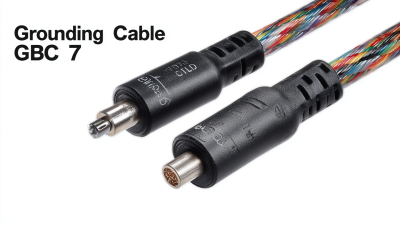
How to Choose the Best Welding Lead Connectors for Your Needs?
Choosing the right welding lead connectors can significantly impact your welding projects. These connectors play a crucial role in ensuring a safe and efficient electrical flow. Poorly selected connectors may lead to overheating, increased resistance, or even system failure.
When evaluating welding lead connectors, consider the type of welding you will be doing. Different applications require varied specifications. Factors such as the voltage, amperage, and environmental conditions should influence your selection. Additionally, the connector material and design can affect durability and reliability, making it essential to prioritize quality from trusted manufacturers.
Many users overlook the importance of compatibility with their existing equipment. Mismatched connectors can lead to poor performance and safety risks. Take the time to research and compare options. Gathering feedback from experts and considering your specific needs will guide you in making the best choice. Avoid rushing this process, as the consequences of improper selection can be costly.
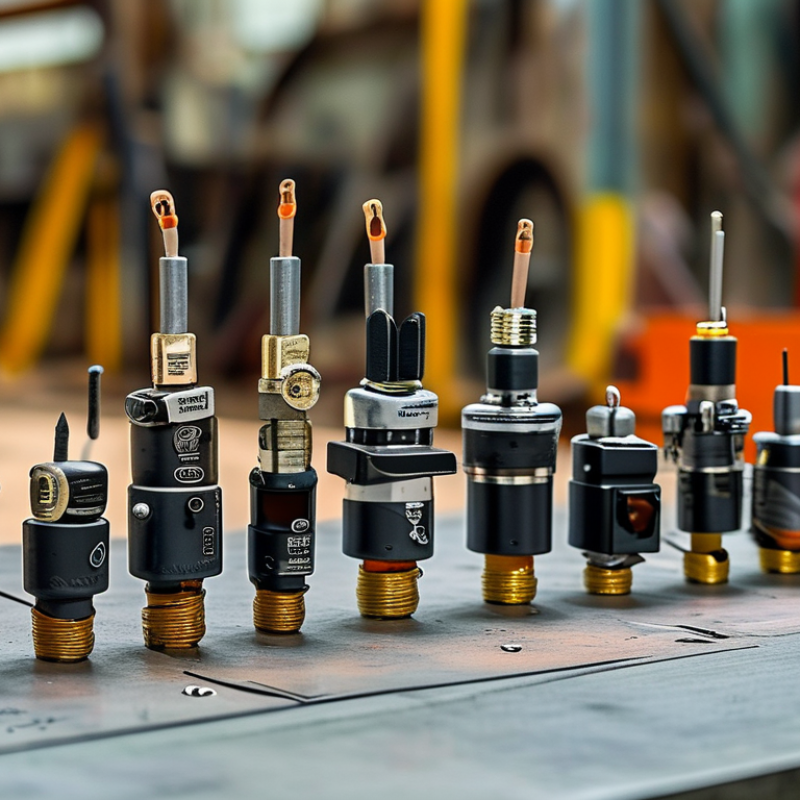
Understanding the Importance of Welding Lead Connectors in the Industry
Welding lead connectors play a crucial role in the industry, serving as the link between the welding machine and the workpiece. A recent industry report indicates that improper connectors can lead to inefficiencies, resulting in up to a 15% decrease in productivity. This emphasizes the need for high-quality components that ensure consistent electrical flow and minimize heat loss.
Selecting the right connectors goes beyond basic compatibility; factors such as wire gauge, material quality, and insulation type matter. Aluminum connectors, for example, offer lower conductivity than copper but are lighter and more cost-effective. Understanding these nuances can lead to informed choices that impact the overall welding efficiency.
Many welders overlook the importance of regular maintenance. Dirty or corroded connectors can disrupt the electrical circuit, causing flickering arcs. The welding process becomes erratic, leading to weld defects and rework. Investing time in maintenance is essential to achieve optimal performance and longevity of equipment. Industry professionals often stress that awareness and education about connectors significantly enhance operational effectiveness.
Key Factors to Consider When Selecting Welding Lead Connectors
Choosing the right welding lead connectors is crucial for secure and efficient welding. One key factor is the connector size. Ensure it matches the diameter of your welding leads. A mismatch can lead to poor connections and electrical resistance, affecting performance.
Material choice also plays a significant role. Copper connectors are popular due to their conductivity. However, they may not be the most durable option. Consider aluminum connectors for lighter applications, but be aware they can corrode over time. Evaluate what material suits your welding environment best.
It's essential to prioritize compatibility with your welding machine. Not all connectors fit every machine. Take the time to research specifications before making a decision. The wrong connector could limit your welding capacity and lead to frustrating experiences on the job. Selecting connectors is not just about functionality but also about ensuring long-term reliability.
How to Choose the Best Welding Lead Connectors for Your Needs? - Key Factors to Consider When Selecting Welding Lead Connectors
| Connector Type |
Current Rating (Amps) |
Wire Size (AWG) |
Material |
Durability Rating |
| Twist Lock Connector |
500 Amps |
2/0 AWG |
Copper |
High |
| Dinse Connector |
300 Amps |
1 AWG |
Bronze |
Medium |
| Quick Disconnect Connector |
200 Amps |
4 AWG |
Aluminum |
Low |
| Cable Lugs |
450 Amps |
3/0 AWG |
Copper |
High |
| Heavy-Duty Connector |
600 Amps |
2/0 AWG |
Brass |
Very High |
Types of Welding Lead Connectors: A Comprehensive Overview
When selecting welding lead connectors, understanding the types available is crucial. One common type is the twist-lock connector. These connectors offer a secure connection that prevents accidental disconnections during work. Their design allows for easy assembly, making them popular among professionals. However, they require regular inspection for wear and tear.
Another type to consider is the spring-loaded connector. These connectors are notable for their flexibility and adaptability. They can handle various lead sizes and work well in tight spaces. However, they might not be as tight as twist-lock connectors, leading to potential issues if not properly maintained.
Miller connectors are also worth mentioning, as they are versatile and suitable for many applications. They provide a reliable connection but can be more challenging to repair compared to other types. Overall, evaluating your specific needs will guide you in selecting the right connector. Proper maintenance and periodic checks can significantly enhance the lifespan of any connector you choose.
Welding Lead Connectors Types and Usage
Assessing Compatibility: Ensuring Proper Fit with Welding Equipment
Choosing the right welding lead connectors means ensuring compatibility with your equipment. You must consider the type and size of connectors based on your welding machine. Various machines have specific requirements for connectors, so a mismatch can lead to overheating or poor performance.
Understanding the specifications of your welding leads is crucial. Check the amperage rating and fit type. The wrong connector can increase resistance and affect your weld quality. Take time to read the manuals of your equipment. Each detail matters, and neglecting specifics can cause issues during projects.
Not all connectors are created equal. Some may appear to work but can cause problems over time. Verify the build quality and materials used. Weak connectors can break or fail under high stress. Reassessing your choices can save you from costly repairs and project delays.
Maintenance and Safety Tips for Welding Lead Connectors Usage
Welding lead connectors play a crucial role in ensuring safe and efficient welding operations. Proper maintenance is essential for long-term reliability. Regularly inspect connectors for any signs of wear or damage. Look for corrosion, fraying, or loose fittings. A worn connector can lead to poor connections, resulting in operational hazards.
Maintaining cleanliness is equally important. Dirt and debris can interfere with connections, affecting performance. Use a wire brush to clean connectors regularly. Ensure that they are free from moisture, as this can cause electrical issues. Keep your workspace tidy to minimize contamination around connectors.
Always prioritize safety during usage. Wear appropriate protective gear when handling connectors. Implement a routine check before starting any welding work. If a connector shows signs of damage, replace it immediately. Reflect on past experiences; learn from any issues encountered. Keeping a proactive maintenance strategy will foster a safer working environment and enhance the longevity of your welding equipment.