How to Choose the Right Steel Wire Mesh Fencing for Your Needs?
Choosing the right steel wire mesh fencing is crucial for various applications. This type of fencing enhances security, visibility, and durability. It is essential to assess your specific needs before making a decision.
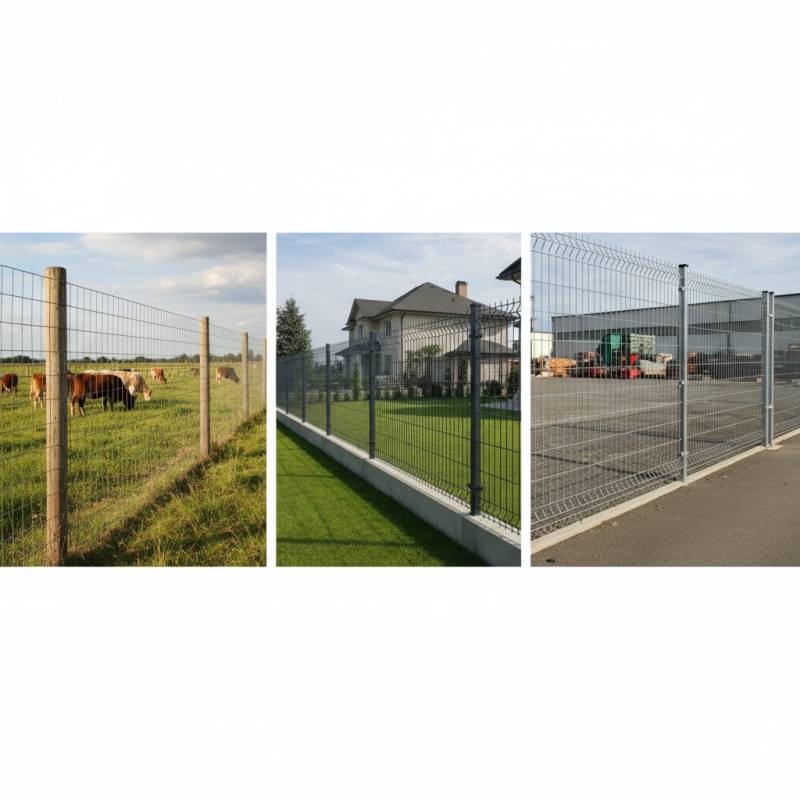
Consider the intended purpose of the fencing. Is it for agriculture, residential, or industrial use? Each application demands different features. For instance, agricultural fencing might require more flexibility and height. Residential applications may focus on aesthetics and safety.
Also, reflect on the environment where the fencing will be installed. Some materials resist corrosion better than others. If exposed to harsh weather, think about reinforced options. Ultimately, this process should not only meet your needs but also consider future challenges. Selecting the right steel wire mesh fencing may require more thought than you expect.
Understanding Different Types of Steel Wire Mesh Fencing Materials
When considering steel wire mesh fencing, it helps to understand the various materials available. Galvanized steel mesh is commonly used; it offers resistance against rust and corrosion. This makes it a durable choice for outdoor settings, especially in wet climates. However, over time, even galvanized surfaces can wear down, so inspection is vital.
Stainless steel mesh is another option. It's more expensive but boasts superior strength and longevity. Ideal for high-security areas, it can deter intruders effectively. Yet, the financial investment might not suit everyone’s budget. Always weigh the need against cost.
**Tips:** Check local regulations before installation. Some areas have restrictions on fencing height and type. Furthermore, consider your primary need: security, aesthetics, or durability. Each aspect influences your choice significantly. A few consultations with professionals can also provide valuable insights.
How to Choose the Right Steel Wire Mesh Fencing for Your Needs?
| Type of Steel Wire Mesh Fencing | Material | Wire Diameter (mm) | Mesh Size (inches) | Use Case |
| Welded Wire Mesh | Galvanized Steel | 2.5 | 2x4 | Residential and Commercial Fencing |
| Chain Link Fencing | Galvanized Steel | 3.0 | 2x2 | Outdoor Security |
| Barbed Wire Fencing | Galvanized Steel | 2.2 | None | High-Security Areas |
| Expanded Steel Mesh | Stainless Steel | 2.0 | 1x2 | Architectural Applications |
| Hexagonal Wire Mesh | Galvanized Steel | 1.5 | 1x1 | Garden and Poultry Fencing |
Evaluating the Strength and Durability of Steel Wire Mesh Options
Choosing the right steel wire mesh fencing is crucial for ensuring strength and durability. When evaluating options, consider the steel grade. Higher grades often indicate better tensile strength. For instance, grade 304 stainless steel is known for its corrosion resistance and longevity. According to industry reports, quality wire mesh can last up to 30 years with proper maintenance.
Tip: Always inspect the mesh for even wire spacing. Uneven spacing can weaken the overall structure. Look for a wire diameter that balances strength and flexibility. A thickness of 1.2mm to 2.5mm is ideal for agricultural and commercial applications. Yet, a thicker gauge might feel more rigid, which may not be suitable for all situations.
Some materials may rust or degrade faster. Look for options with coatings. Galvanized steel can provide better protection but might require replacement more often. Consider local environmental factors too. If you live near saltwater, corrosion is a big concern, so choose higher-grade materials wisely. Reflect on how different product features align with your specific needs.
Determining the Appropriate Gauge and Wire Thickness for Your Needs
Choosing the right steel wire mesh fencing involves a careful look at the gauge and wire thickness. The gauge of the wire directly impacts its strength and durability. For most applications, a gauge between 10 and 14 is standard. The lower the number, the thicker the wire. For instance, a 10-gauge wire is approximately 0.10 inches thick and offers more resilience against bending. A report by the American Wire Gauge indicates that thicker wire is especially critical in high-stress environments.
Wire thickness also has implications for corrosion resistance. Thicker wires can withstand environmental factors better. A study by the Fence Manufacturers Association notes that the lifespan of fencing can increase significantly with the right thickness. Properties like resistance to rust and damage vary widely between gauges. Choosing a thinner wire might save upfront costs but could lead to frequent replacements.
It’s essential to consider your specific needs. Think about the setting—residential, commercial, or agricultural. Not all settings require heavy-duty fencing. In some cases, a lighter gauge can suffice. However, underestimating the appropriate thickness may lead to frustrations later on. Users often overlook the importance of wire quality as well. Quality matters just as much as gauge size when ensuring long-term performance. Balancing these factors is vital for making an informed decision.
Assessing Cost and Budget Considerations for Steel Wire Mesh Fencing
When considering steel wire mesh fencing, cost is a crucial factor. According to a report by the Fencing Industry Association, the average price ranges from $10 to $30 per linear foot. This can vary based on type, gauge, and height. As you plan your budget, reflect on your specific needs. A larger area may require more fencing, impacting your overall cost.
It’s important to consider installation costs as well. Professional installation can add between 20% and 35% to your budget. DIY options are available, but they may lead to hidden expenses if not executed properly. According to HomeAdvisor, many homeowners underestimate these costs. Site preparation and materials play a significant role in final expenses.
Choosing the right fencing isn't just about price. Think about the long-term investment. Higher quality wire may cost more upfront but can save money over time. This often results in reduced maintenance needs. Remember, sometimes a <>cheaper option leads to greater expenses down the line. Evaluating your budget against actual needs will guide you to the best choice. Consider all these factors carefully.
Identifying Additional Features and Customizations for Enhanced Functionality
When selecting steel wire mesh fencing, additional features can greatly enhance its functionality. Different mesh sizes can accommodate various security needs. A tighter mesh may deter small animals, while a broader one can manage visibility and airflow. Consider how natural elements interact with your fence. If you live in a storm-prone area, wind resistance becomes crucial. Make adjustments to your designs based on geographical surroundings.
Customizations can elevate your fencing beyond standard options. You might explore options like powder coating for color or added rust resistance. Add gates or entry points to improve accessibility while maintaining security. Lighting fixtures can deter intruders and enhance safety at night. However, lots of features can also complicate upkeep. Assess the trade-offs when choosing luxuries versus practicality.
Measuring the space accurately is essential. Overestimating or underestimating can lead to wasted material or poor installation. And remember, installation can be more challenging than anticipated. Involving professionals may seem comforting, but it comes with added costs. Plan carefully; oversights in features can lead to regrets. Ultimately, think about what truly meets your functional needs while fitting your budget.