How to Choose the Right Photovoltaic Connectors for Your System?
Choosing the right Photovoltaic connectors for your solar system is essential. These connectors play a critical role in the overall efficiency and safety of solar installations. The connection points between solar panels and other components, such as inverters and batteries, directly impact energy flow.
Photovoltaic connectors come in various types and specifications. Selecting the wrong type may lead to performance issues. For example, connectors that are not weather-resistant can degrade over time. It's important to consider the environmental conditions your system will face. Humidity, temperature fluctuations, and UV exposure can all affect longevity.
Moreover, compatibility is another crucial factor. Ensure that the connectors you select match your panel and inverter types. While some connectors may seem suitable, subtle differences can result in connectivity issues. Reflect on how these choices impact your overall system performance. Balancing quality and cost is often challenging but necessary for a successful installation.
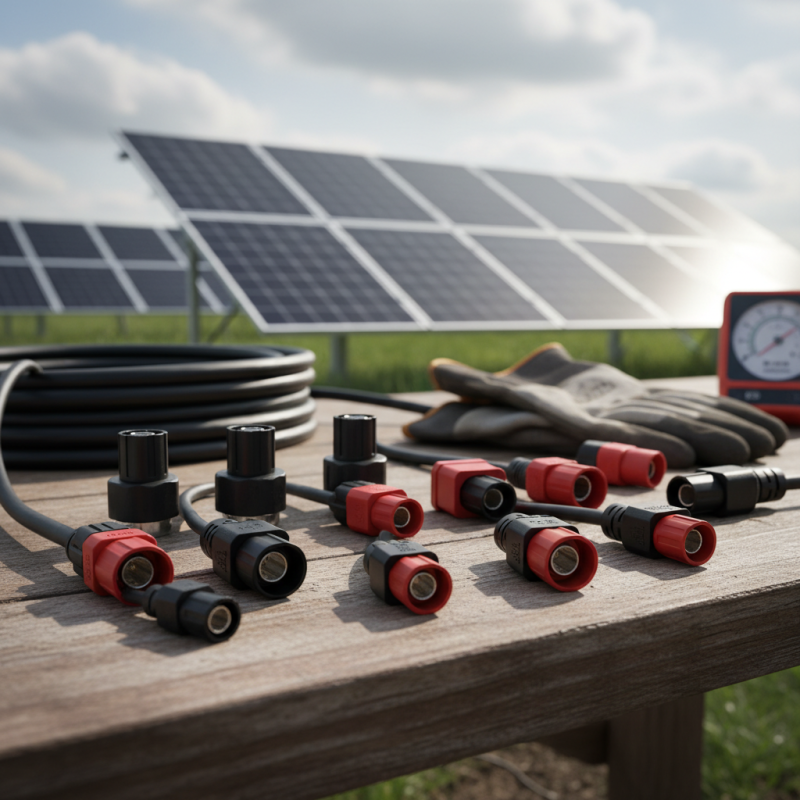
Understanding Photovoltaic Connectors: An Overview
Photovoltaic connectors play a vital role in solar energy systems. These connectors link solar panels to inverters and other components. They must ensure a secure and durable connection that can withstand outdoor conditions. Choosing the right type can be challenging, as many options are available.
Understanding the common types of connectors can help simplify decisions. MC4 connectors are widely used due to their reliability. They offer easy plug-and-play functionality, but they require careful installation. Another option is the Anderson connector, which is known for its high current capacity. It may be suitable for larger installations but can be bulky. Each type has its pros and cons.
Installation methods and compatibility with cabling are crucial. Over time, incorrectly installed connectors may fail. Regular inspection can prevent costly maintenance. Always consider environmental factors like temperature and UV exposure. This can affect connector longevity, so don’t overlook quality. Reflecting on these points will lead to informed choices.
How to Choose the Right Photovoltaic Connectors for Your System? - Understanding Photovoltaic Connectors: An Overview
| Connector Type | Current Rating (A) | Voltage Rating (V) | Material | IP Rating | Temperature Range (°C) |
| MC4 | 30 | 1000 | Copper | IP68 | -40 to 90 |
| T4 | 12 | 600 | Tin-Plated Copper | IP67 | -40 to 85 |
| MC3 | 20 | 600 | Beryllium Copper | IP65 | -40 to 80 |
| Amphenol | 32 | 1500 | Aluminum | IP67 | -40 to 85 |
Types of Photovoltaic Connectors and Their Applications
When selecting photovoltaic connectors, understanding the types available is crucial. Two common types are MC4 and MC3 connectors. MC4 connectors are widely used due to their reliability. They can withstand outdoor conditions well. Their design allows for easy connection and disconnection. However, they can be tricky to install without proper tools. Careful handling is needed.
MC3 connectors serve a different purpose. They are less common but still useful in certain setups. These connectors are easier to use for smaller projects. They can connect solar panels to inverters or battery storage units. Yet, they may not offer the same durability as MC4 connectors in harsh environments.
Choosing the right connector type depends on specific project requirements. Factors like voltage rating, temperature range, and installation space matter. Some users still struggle with these specifications. It's easy to overlook these details, leading to issues down the road. Being diligent during selection can prevent potential setbacks.
Types of Photovoltaic Connectors and Their Applications
This bar chart displays the number of applications for various types of photovoltaic connectors. The data shows MC4 connectors being the most widely used in photovoltaic systems, followed by Tyco/AMP, JST, Amphenol, and Honsun connectors.
Key Factors to Consider When Selecting Connectors
Choosing the right photovoltaic connectors is crucial for system efficiency. First, consider the connector type. MC4 connectors are popular due to their reliability. But are they the best choice for your setup? Compatibility with your solar panels matters. Ensure your connectors fit well without too much force.
Weather resistance is another key factor. Your connectors should withstand harsh environments. UV exposure and humidity can degrade materials over time. Look for connectors with high IP ratings, indicating better protection against dust and water. Don't overlook temperature ratings. Extreme temperatures can affect performance.
Lastly, pay attention to installation ease. Some connectors are user-friendly, while others may frustrate during setup. Consider the wiring methods you plan to use. Stranded wire may require different connectors than solid wire. This can complicate your installation. Always think ahead about maintenance needs. Accessible connectors will save time and effort later on.
Compatibility with Different Solar Panel Systems
When selecting photovoltaic connectors, compatibility with your solar panel system is crucial. Different solar panel designs require specific connectors. The right choice can optimize performance and enhance safety. Mismatched connectors may cause issues and dilute energy efficiency.
Consider the connector type used by your solar panels. Some panels require MC4 connectors, while others may use unique designs. Knowing this is key. Additionally, check the operating voltage and current ratings. Make sure the connectors can handle your system's maximum load.
Always review the materials used in connectors. Low-quality materials can lead to connection failures. Weather resistance is also critical. Ensure that connectors can withstand environmental factors like moisture and UV radiation. Reflect on your system's needs before making a final decision. It’s better to take time now than troubleshoot later.
Maintenance and Safety Tips for Photovoltaic Connectors
Photovoltaic connectors play a crucial role in solar power systems. Regular inspection and maintenance are vital. This ensures optimal performance and safety. According to industry reports, improper connector installations can lead to a 20% decrease in energy efficiency. Heat, moisture, and dust can degrade connectors over time.
Cleaning photovoltaic connectors is necessary. Use a dry cloth to wipe away dust. Inspect for signs of wear or corrosion. This can prevent voltage drops. The National Renewable Energy Laboratory suggests that proper maintenance can extend the lifespan of connectors by 5-10 years. Remember that safety is paramount. Disconnecting the system before maintenance is essential.
Additionally, choose connectors rated for your specific environment. The wrong type can lead to failures. A study noted that 30% of connector issues stem from environmental factors. Ensure that all seals are intact to prevent moisture ingress. Investing time in maintenance can save money in the long run. Use this opportunity to educate your team on safe practices around photovoltaic connectors.