How to Choose Reflective Workwear for Safety and Style?
Choosing the right reflective workwear is crucial for both safety and style. As John Mason, an industry expert, wisely stated, "Visibility is safety, and style should complement it." This highlights the balance needed when selecting garments.
reflective workwear not only ensures visibility in low-light conditions but also allows for personal expression. Finding the perfect fit can sometimes be challenging. Factors like fabric type, comfort, and design come into play. For instance, a heavy jacket may offer excellent visibility, yet it can be cumbersome to wear.
Moreover, many options on the market may lack features that enhance practicality. Users often overlook pockets or breathable material. Reflective elements should not just be added for aesthetics but must function effectively in real-world situations. When merging safety with style, it's essential to focus on functionality rather than just appearance. Each choice can make a difference, leading to better comfort and safety on the job.
Understanding the Importance of Reflective Workwear for Safety
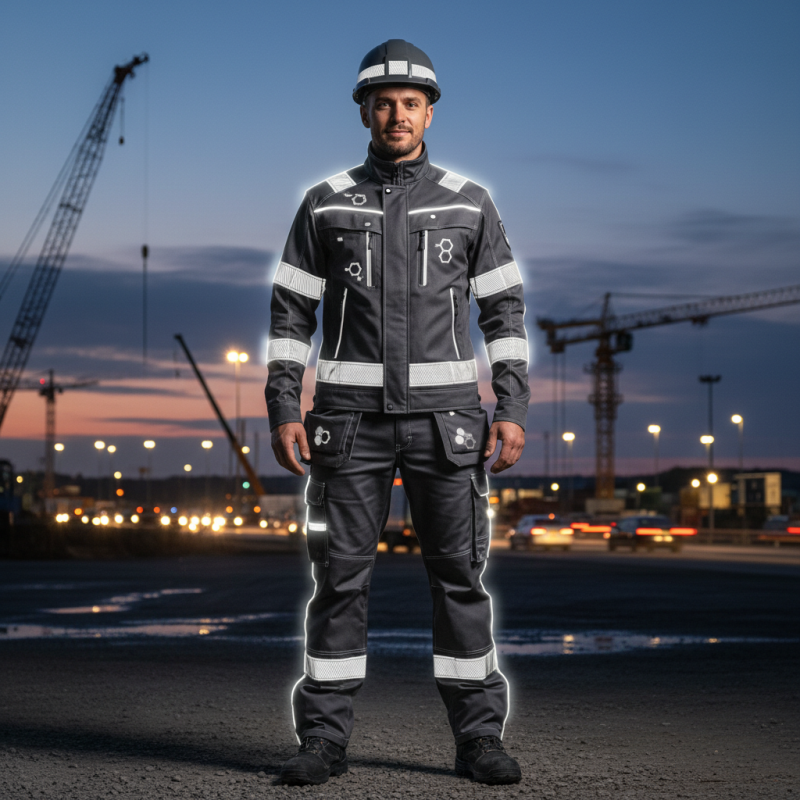
Reflective workwear is crucial for safety in various industries. Studies show that high-visibility clothing can reduce accident risk by up to 80%. In low-light environments, workers are more vulnerable. Proper reflective gear significantly increases visibility, particularly during dusk or dawn. This is vital for road work, construction, and other hazardous settings.
To choose effective reflective workwear, consider the level of visibility required for your job. The American National Standards Institute (ANSI) sets standards for reflective materials. Gear must meet specific requirements based on the work environment. Not all reflective fabric is created equal. Some offer better visibility than others.
Tip: Always check for ANSI labeling on reflective clothing. Look for garments with multiple reflective strips. This enhances visibility from different angles. Think about comfort too. Breathable and durable materials can make a big difference during long shifts.
Reflective workwear can be stylish too. Modern designs offer both safety and a professional look. However, don’t overlook fit. Ill-fitting clothing may not provide the protection you need. Inadequate sizing can affect overall visibility. Always try gear before purchasing to ensure a good fit.
Factors to Consider When Selecting Reflective Fabrics
Selecting the right reflective fabric for workwear involves various factors. Visibility is crucial, especially in low-light conditions. You want a fabric that reflects light effectively. Look for materials that enhance brightness rather than just meeting basic requirements. Test out the fabric in real-life scenarios. Does it shine brightly when headlights hit it? This is an essential consideration.
Durability matters just as much as reflectivity. Fabrics should withstand wear and tear, especially in challenging work environments. Check for tear resistance and washability. Some fabrics lose their reflective qualities after a few washes. This can be frustrating. Think about how often the workwear needs cleaning. Are you often in muddy or grimy conditions? Then durability becomes even more critical.
Style shouldn't be overlooked, even during work. Reflective workwear comes in various designs and colors. Choose styles that you feel comfortable and confident in. But remember, some fashionable options may compromise safety features. It's easy to prioritize aesthetics. Yet, comfort and safety must go hand in hand. Consider how the fabric feels during physical activity. You want to strike the right balance for your unique needs.
Balancing Comfort and Functionality in Workwear Design
Choosing reflective workwear involves balancing safety and style. Comfort and functionality are crucial in workwear design. According to industry reports, nearly 80% of workers prioritize comfort when selecting uniforms. It's essential to create garments that facilitate movement and withstand long hours on the job. Reflective materials should not only enhance visibility but also offer breathability.
Tips: Look for breathable fabrics. Light and stretchy materials improve comfort. They work well in various weather conditions.
Additionally, the integration of smart technology can make workwear more functional. Some garments include moisture-wicking properties, which keep workers dry, even in demanding environments. But, achieving an ideal combination is challenging. Some reflective materials can be stiff or heavy, which detracts from comfort.
Tips: Test different styles. Consider how each piece feels during movement. Don't sacrifice function for aesthetics.
Balancing these elements is vital. Reflective workwear must meet safety standards while ensuring wearers feel good about their appearance. Finding this balance requires continuous feedback from users in the field.
Choosing the Right Style and Fit for Your Profession
Choosing the right style and fit for reflective workwear can be a daunting task. Consider the specific needs of your profession. Different jobs have varying requirements for visibility and comfort. For example, construction workers often need durable and breathable fabrics. On the other hand, road workers may prioritize high visibility over all else.
Fit is crucial. A loose fit might look casual, but it can be hazardous. It could get caught in machinery. Conversely, clothing that is too tight can hinder movement. Finding a middle ground is important. Pay attention to how the workwear feels during tasks. Does it allow easy movement? Is it comfortable for an entire shift?
Don’t forget about style. Reflective workwear doesn’t need to look bland. Some designs incorporate vibrant colors and patterns that stand out. This adds personality while maintaining safety. Still, reflect on your choices. Are you compromising comfort for style? Balance is essential, and your clothing should enhance your performance, not hinder it.
Maintaining and Caring for Reflective Workwear for Longevity
Caring for reflective workwear is crucial for ensuring its longevity. These garments often face harsh conditions. With regular use, dirt and grime can build up. Cleaning reflective workwear should be frequent. A gentle wash with mild detergent helps maintain visibility. Avoid harsh chemicals; they can degrade the reflective material.
Storing reflective gear properly is another vital aspect. Ensure garments are dry before storage. Hanging them is usually better than folding. Folds can create wear and tear. Inspect regularly for wear or damage. Small tears can worsen over time. Address these issues immediately to extend the lifespan.
Reflective workwear also requires careful handling. Be mindful of how you wear it. Avoid snagging the fabric on sharp objects. This can lead to unwanted tears. Sometimes, people forget the essentials of care. Stay proactive to keep your workwear in top condition. After all, safety should never be compromised for style.
How to Choose Reflective Workwear for Safety and Style? - Maintaining and Caring for Reflective Workwear for Longevity
| Dimension | Description | Care Tips | Longevity Expectation |
| Material Quality | Choose high-quality fabrics that are durable and breathable. | Follow washing instructions to prevent degradation. | 2-5 years, depending on care. |
| Reflective Material | Look for EN ISO 20471 compliance for visibility standards. | Inspect regularly for damage to reflective strips. | 1-3 years, may vary with use. |
| Fit and Style | Ensure a comfortable fit that allows movement without compromising safety. | Avoid excessive washing to maintain shape. | 3-5 years with proper fit. |
| Color Choice | Bright colors improve visibility in various conditions. | Spot clean to maintain color vibrancy. | 3-4 years, may fade without care. |
| Weather Resistance | Select items rated for specific weather conditions. | Store in a dry place to prevent mold and damage. | 2-6 years based on exposure and care. |