Why Choose Electric Water Heaters for Your Home Needs?
In today's world, choosing the right water heater is crucial for any household. An Electric Water Heater stands out as a popular option due to its efficiency and convenience. Homeowners often seek reliable solutions that ensure comfort and reduce energy costs. Electric water heaters provide a consistent supply of hot water, essential for daily activities like bathing and cooking.
When selecting an Electric Water Heater, consider the size and energy consumption. These factors significantly impact long-term savings and efficiency. Many families find themselves puzzled by the array of models available. Understanding the features can help simplify this decision-making process. Furthermore, advancements in technology enhance performance and reliability.
It's essential to recognize that not all electric water heaters are created equal. Some may have higher initial costs but can save more on energy bills over time. This balance requires careful consideration. Evaluating particular needs and preferences leads to better choices. Investing in an Electric Water Heater represents a step towards a more energy-efficient and sustainable home environment.
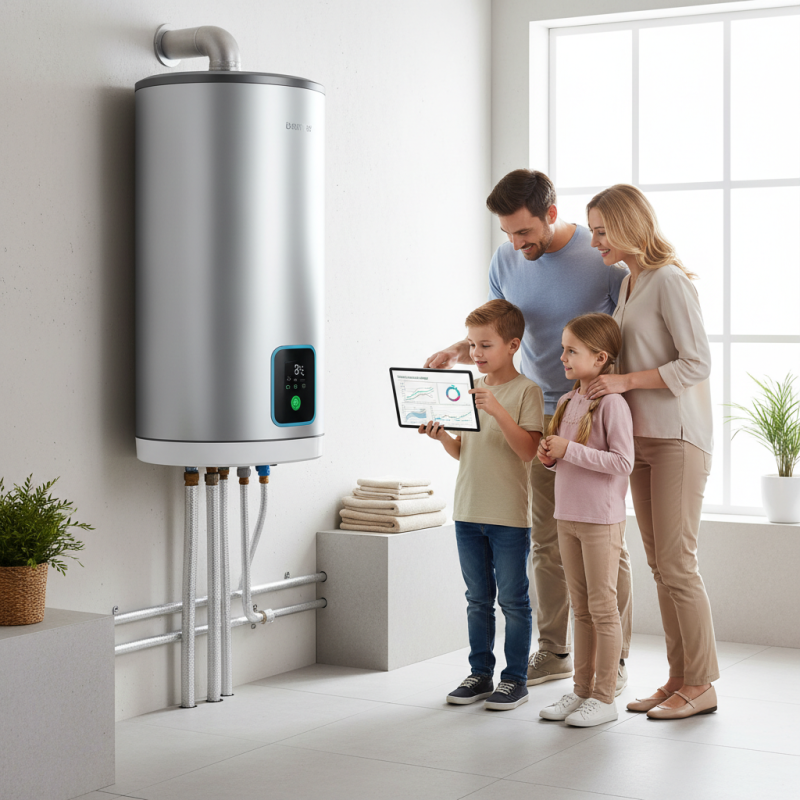
Benefits of Electric Water Heaters for Residential Use
Electric water heaters have become increasingly popular for residential use, thanks to their numerous benefits. They are often more energy-efficient than traditional gas units. According to the U.S. Department of Energy, electric heaters convert almost all their energy into hot water. This can lead to significant savings on energy bills over time.
One critical advantage of electric water heaters is their installation flexibility. Homes without gas lines or adequate ventilation can greatly benefit from these systems. They can be installed anywhere with an electrical outlet. This versatility allows homeowners to maximize space and efficiency.
Tip: Regular maintenance can enhance your electric water heater's lifespan. Simple steps such as
flushing the tank annually can prevent sediment build-up.
However, some drawbacks exist. Electric models may have
slower recovery rates than gas heaters, meaning it can take longer to heat water after heavy use. This consideration may affect large families or homes with high hot water demands. Understanding your household's needs is essential before deciding.
Tip: Monitor your hot water usage. Adjust the heater settings to optimize performance based on your family’s routine.
Ultimately, electric water heaters offer reliable and efficient options for many homes. Balancing their advantages with any potential limitations is key to making an informed decision.
Comparative Efficiency of Electric vs. Traditional Water Heaters
The choice between electric and traditional water heaters significantly impacts energy efficiency in homes. According to the U.S. Department of Energy, electric water heaters can achieve a higher energy factor than gas models. Many electric units operate at an efficiency rate of over 90%. In contrast, traditional gas heaters generally operate between 60% to 80% efficient. This means that more energy from electric heaters is converted directly into hot water.
Moreover, electric water heaters often have lower installation and maintenance costs. A study by the National Renewable Energy Laboratory shows that while initial costs may vary, electric heaters usually require fewer repairs. This can lead to long-term savings. However, it’s worth noting that electricity rates can fluctuate, potentially impacting overall cost-effectiveness. Some homeowners experience concerns over the reliability of electric systems during power outages, highlighting a factor worth considering.
The environmental impact is another crucial aspect. A report from the Environmental Protection Agency indicates electric water heaters can contribute to lower greenhouse gas emissions if the energy is sourced from renewables. The trade-off, however, includes the need to evaluate local energy sources and their sustainability. This complexity shows there's no one-size-fits-all solution, requiring careful consideration of individual circumstances.
Installation Considerations for Electric Water Heater Systems
When considering an electric water heater installation, several factors come into play. Space is a crucial consideration. Most electric heaters are compact, easy to fit in tight areas. However, you must ensure proper ventilation. Even when electric, heat dissipation can affect nearby materials.
Electrical connections need attention too. Homeowners should consult certified electricians for connections. An incorrect setup can lead to hazardous conditions. It’s important to check your home’s electrical capacity. Overloading circuits may result in frequent outages.
Water heater placement matters. Positioning affects the efficiency of the system. Placing it closer to usage points minimizes heat loss. A poorly positioned heater can lead to higher bills. This requires careful planning to achieve optimal efficiency. Furthermore, consider the potential need for maintenance access. Equipment should be reachable for repairs and inspections. Ignoring this can lead to future complications.
Energy Efficiency Comparison of Electric Water Heaters
Cost Analysis: Electric Water Heaters vs. Alternatives
When considering home water heating options, electric water heaters emerge as a compelling choice. They often have lower upfront costs compared to gas or solar alternatives. According to the U.S. Department of Energy, electric water heaters typically cost between $400 and $1,500, depending on the model and features. This is significantly more affordable than gas units, which can exceed $2,500.
Operational costs also favor electric water heaters in many regions. The Energy Information Administration reports that, on average, electricity rates are more stable than natural gas prices. This stability can lead to predictable billing, which is beneficial for budgeting. Electric heaters generally consume less energy in off-peak periods, creating potential savings. However, certain areas experience higher electricity costs, which can narrow the savings gap.
Despite these advantages, there are drawbacks. Electric heaters may experience longer recovery times, affecting immediate hot water availability. They can also be less energy-efficient if not properly insulated. Newer tankless electric models address some efficiency concerns but require higher initial investment. Therefore, weighing personal usage needs against these factors is crucial for an informed choice.
Why Choose Electric Water Heaters for Your Home Needs? - Cost Analysis
| Heating Method | Initial Cost ($) | Annual Operating Cost ($) | Energy Efficiency (%) | Lifespan (Years) |
| Electric Water Heater | 800 | 500 | 90 | 10-15 |
| Natural Gas Water Heater | 600 | 400 | 80 | 8-12 |
| Propane Water Heater | 700 | 450 | 85 | 8-12 |
| Tankless Electric Water Heater | 1000 | 300 | 95 | 15-20 |
Environmental Impact of Using Electric Water Heaters in Homes
Electric water heaters offer a cleaner alternative for household energy needs, significantly reducing environmental impact. According to the U.S. Department of Energy, electric water heaters produce fewer greenhouse gas emissions compared to gas heaters. This shift can lower your carbon footprint, as they can be powered by renewable energy sources, such as wind or solar.
One study from the National Renewable Energy Laboratory indicates that homes using electric heaters powered by renewable energy can reduce emissions by up to 80%. This transition is essential, especially as households contribute approximately 21% of total carbon emissions in the U.S. Every small change counts towards building a sustainable future.
Tip: Consider installing energy-efficient electric water heaters to maximize savings and reduce environmental impact. Every appliance matters when it comes to energy conservation.
However, there are challenges. Electric water heaters tend to have higher upfront costs compared to gas-fired systems. They may also have slower recovery rates, impacting hot water availability during peak demand times. Homes in colder climates may require additional insulation to maintain efficiency.
Tip: Evaluate your local energy sources and costs to determine the best heating option for your home. The importance of informed decisions cannot be overstated.