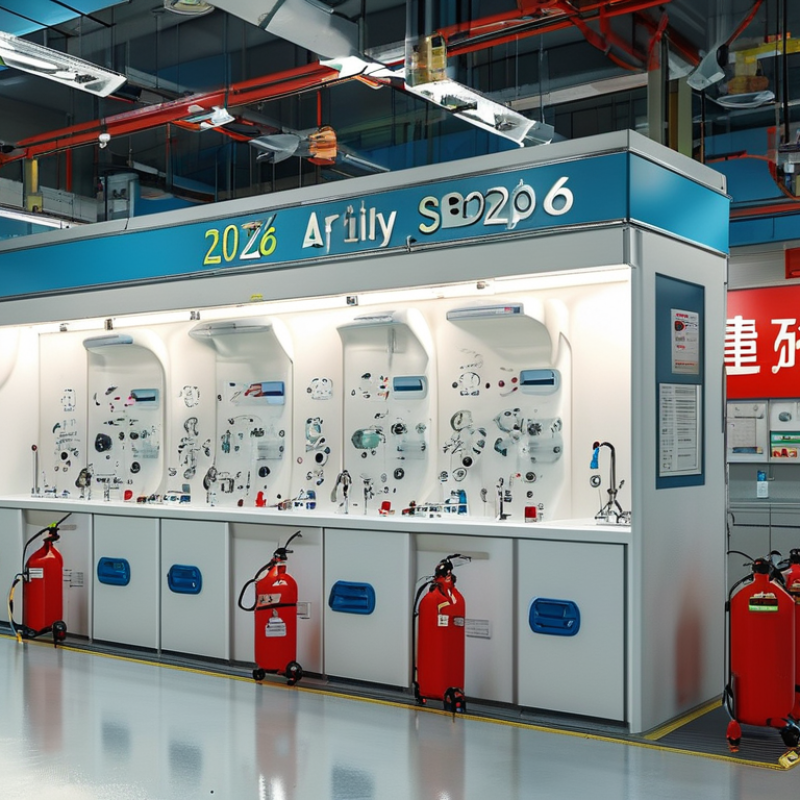
2026 How to Choose the Best First Aid Eye Wash Station?
In any workplace or public space, safety is paramount. Among essential safety equipment is the First Aid Eye Wash Station. It provides immediate relief in cases of eye exposure to harmful substances. Choosing the right station requires careful consideration of various factors.
First, assess the specific needs of your environment. Different workplaces encounter different hazards. The ideal First Aid Eye Wash Station should cater to those unique risks. Also, the location is crucial. Accessibility can greatly affect the effectiveness of first aid response.
Lastly, think about maintenance. A station that is not regularly checked may be ineffective when needed. Evaluating your options allows for better decision-making. Remember, prioritizing eye safety is not just a requirement; it reflects a commitment to overall well-being.
Understanding the Importance of Eye Wash Stations in the Workplace
Eye wash stations are essential in many workplaces, especially where hazardous materials are present. Their primary function is to provide immediate relief to individuals who have had their eyes exposed to harmful substances. Quick access to an eye wash station can prevent serious damage and improve recovery outcomes. Ensuring that these stations are properly maintained is critical.
In an emergency, every second counts. If the eye wash station is not functional or easy to find, the consequences can be dire. Regular checks can help identify issues like clogged pipes or expired solutions. Moreover, staff training is vital in ensuring everyone knows how to use the eye wash station effectively.
Despite the importance of these stations, many workplaces overlook them. Some may lack proper signage or be located in hard-to-reach areas. This can lead to delays during emergencies. Regular assessments of eye wash stations should be part of workplace safety protocols. Creating a culture of safety helps protect employees and reinforces the significance of preparedness.
Key Features to Consider When Selecting an Eye Wash Station
When selecting a first aid eye wash station, several key features demand attention. The American National Standards Institute (ANSI) recommends stations to dispense at least 15 minutes of potable water. This duration is crucial for effectively rinsing away contaminants from the eyes. Stations lacking adequate water supply might lead to prolonged exposure, increasing the risk of permanent damage.
Portability is another important aspect. Some environments require mobile stations that can be easily relocated. According to data from OSHA, workplace injuries can occur in unpredictable locations. A portable unit can offer immediate assistance wherever it’s needed, reducing response time in emergencies.
Another factor is the ease of use. The design should allow for one-handed operation to facilitate quick action during a crisis. Users may struggle with complex mechanisms under stress. Reports indicate that more than 60% of workplace accidents involve human error, often influenced by complicated equipment. An eye wash station must be intuitive, ensuring that all staff can use it effectively regardless of their level of training.
Types of Eye Wash Stations: Plumbed vs. Self-Contained
Choosing the right eye wash station is crucial for safety in any workspace. Understanding the two primary types of stations—plumbed and self-contained—can help in making an informed decision. Plumbed stations connect directly to a water supply. They offer continuous water flow, ensuring immediate availability during an emergency. However, installation requires plumbing expertise and compliance with regulations.
On the other hand, self-contained eye wash stations are portable and easier to set up. They store a specific amount of sterile solution in a sealed container. This type is often preferred for areas where plumbing is not feasible. Yet, it has limitations, such as the need for regular replacement of the solution. A common pitfall is neglecting the maintenance schedule. Failure to do so can lead to ineffective washing solutions.
Each type has its unique benefits and challenges. Choosing between them requires careful consideration of your specific environment and risks. Evaluate your space, needs, and budget. Think about how quickly the station can be accessed in emergencies. Be mindful of the importance of regular checks and staff training to ensure readiness.
Regulatory Standards for Eye Wash Stations and Their Implementation
When selecting an eye wash station, understanding regulatory standards is essential. The ANSI/ISEA Z358.1 standard outlines the requirements for emergency eyewash and shower equipment. Compliance with this standard ensures that eye wash stations are effective in emergency situations. The guidelines recommend a minimum flushing time of 15 minutes. This duration allows contaminants to be thoroughly flushed from the eyes.
Industry data highlights that injuries caused by chemical exposure in the eyes can lead to severe consequences. According to the National Institute for Occupational Safety and Health (NIOSH), approximately 90% of work-related eye injuries can be prevented with proper eyewash stations. Yet, many facilities fall short of compliance. Regular maintenance and employee training are often overlooked, which increases the risk of inadequate response during emergencies.
Facilities often face challenges when implementing these regulations. Limited space may prevent the installation of compliant stations. Additionally, budget constraints can lead to insufficient training programs for staff. Organizations must assess these barriers regularly. The effectiveness of an eye wash station is only as good as its maintenance and the knowledge of its users. Therefore, continual improvement in these areas is crucial for workplace safety.
2026 First Aid Eye Wash Station Compliance Overview
This chart illustrates the percentage of eye wash stations that comply with various regulatory standards in different sectors for the year 2026.
Maintenance Tips for Ensuring Optimal Performance of Eye Wash Stations
Proper maintenance of eye wash stations is essential for optimal performance. Regular checks can prevent issues that might arise when addressing eye injuries. Research shows that nearly 25% of workplace eye injuries could have been mitigated with proper eye wash facilities. The Centers for Disease Control and Prevention (CDC) emphasizes the importance of having fully functional equipment, as inadequate care can result in serious health risks.
Daily inspection is a key aspect of maintenance. Solutions need to be within expiry dates and the nozzles must be clear of debris. A study from the Occupational Safety and Health Administration (OSHA) notes that up to 60% of eye wash stations fail to meet safety regulations due to neglect. This statistic highlights the need for routine flushing to ensure the solution remains contaminant-free.
Despite the obvious need for maintenance, many facilities overlook this crucial task. Having a dedicated team for regular inspections can make a significant difference. Regular training sessions for employees on how to operate these stations also play a vital role. Experience shows that many staff members lack confidence in using eye wash stations correctly. Implementing a robust maintenance schedule combined with training can enhance readiness and safety in the workplace.