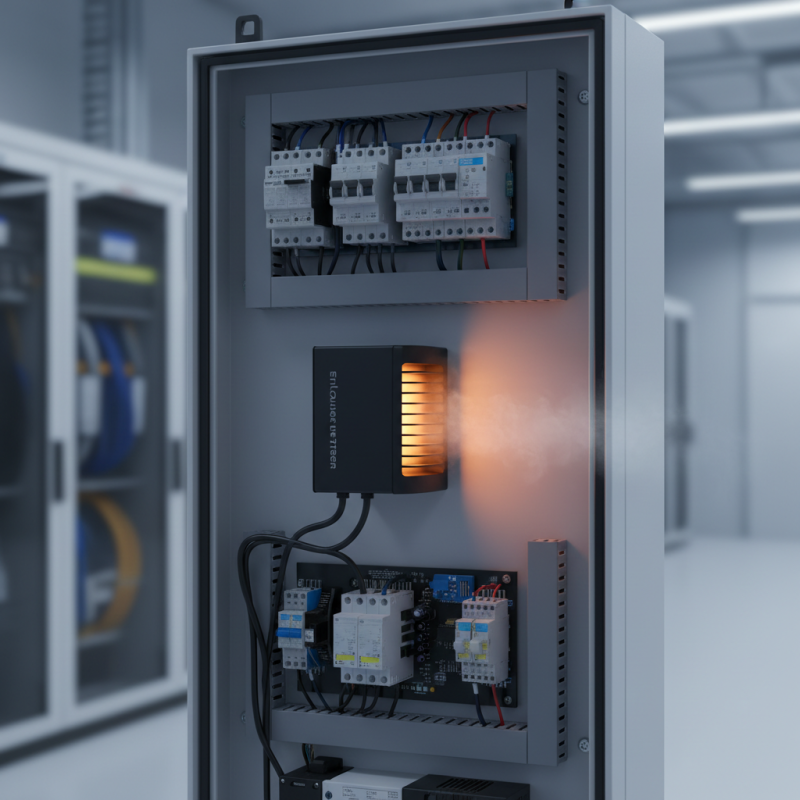
Why Choose an Enclosure Heater for Your Electrical Equipment?
Choosing the right protection for your electrical equipment is crucial. An Enclosure Heater ensures that sensitive components remain at optimal temperatures. Equipment can fail due to temperature fluctuations.
An Enclosure Heater helps eliminate the risk of condensation and moisture buildup. Cold environments can lead to malfunctions. By maintaining warmth, these heaters enhance reliability and longevity.
Not every heater will suit every application. It's essential to evaluate your specific needs. Consider factors like space, power requirements, and installation. Making an informed decision can affect performance. Reflecting on these elements can help choose the best solution.
Benefits of Using Enclosure Heaters for Electrical Equipment
Enclosure heaters play a crucial role in protecting electrical equipment from harsh environmental conditions. They create a stable temperature inside enclosures. This prevents condensation and eliminates moisture build-up. Moisture can lead to rust, damaging sensitive components. Without adequate heating, equipment may fail unexpectedly.
Using enclosure heaters boosts the reliability of electronic devices. They ensure optimal performance in cold weather. Equipment can work smoothly, avoiding disruptions. When temperatures drop, equipment may not start. Heaters give devices the warmth they need. This enhances both longevity and functionality.
Despite these advantages, some may underestimate the importance of heaters. Ignoring the potential risks can lead to failures. Equipment maintenance can be costly and time-consuming. Rethinking strategies is essential to safeguard investments. A small heater can make a significant difference in performance.
Understanding Enclosure Heater Types and Their Applications
Enclosure heaters are critical for protecting electrical equipment. They maintain optimal temperatures in various applications. Understanding the types of enclosure heaters can help with effective decision-making.
Convection heaters circulate air within the enclosure. They are simple and efficient. These heaters are effective in moderate climates. If temperatures drop significantly, other options should be considered.
Radiant heaters, on the other hand, warm surfaces directly. They are suitable for areas requiring quick heating. This can be beneficial in cold environments. However, they may not provide even heating throughout the enclosure.
Tips: When choosing a heater, consider the enclosure's size. A heater that is too small may not provide adequate warmth. On the other hand, an oversized heater can lead to overheating. Always calculate your needs carefully.
Factors to Consider When Selecting Enclosure Heaters
When selecting enclosure heaters for electrical equipment, several key factors come into play. The first aspect to consider is the temperature range. A study by the Electrical Equipment Research Foundation found that maintaining optimal temperatures can greatly extend the lifespan of sensitive components. Keeping devices within the recommended temperature limits can prevent thermal shock, which may cause irreversible damage.
Another crucial factor involves the heater's power output. Ensure that the heater can effectively match the wattage requirements of your equipment. Insufficient heating can lead to condensation inside the enclosure, potentially causing corrosion or electrical failures. An industry report noted that up to 30% of equipment failures are attributed to moisture damage. Investing in the right power options is essential for long-term reliability.
Tips: Always evaluate the environmental conditions where the heater will operate. Consider factors like humidity and potential exposure to dust or chemicals. Selecting a heater suited for these conditions can significantly enhance performance and durability.
Also, think about the size and layout of the enclosure. A heater that is too large can disrupt airflow, creating hot spots. One final point to reflect on is the potential need for redundancy in critical applications. Having a backup heating solution can save your equipment and reduce downtime.
Installation and Maintenance Tips for Enclosure Heaters
Installing enclosure heaters requires careful consideration. Proper placement is crucial. Ensure the heater is near sensitive components. This can prevent failures caused by temperature fluctuations. According to a recent industry report, nearly 30% of equipment failures are due to temperature-related issues. Utilizing a heater effectively can significantly extend the lifespan of your electrical systems.
Maintenance is equally important. Regular checks can identify problems early. Inspect heaters for dust and debris, which can hinder performance. The Thermal Management Association emphasizes that cleaning these devices at least quarterly is essential for optimal function. Even small irregularities can lead to larger malfunctions. Keeping records of maintenance can also help track efficiency over time. A proactive approach often saves money in the long run.
Common Myths About Enclosure Heaters and the Truth Behind Them
When considering enclosure heaters for electrical equipment, misconceptions often cloud the decision-making process. One common myth is that enclosure heaters consume excessive energy. In reality, studies show that modern enclosure heaters use energy efficiently, with many models consuming as little as 250 watts. This efficiency translates to lower operational costs, making them a practical choice for businesses looking to protect their investments.
Another prevalent belief is that these heaters are unnecessary in milder climates. However, research indicates that fluctuations in temperature can still damage sensitive equipment. A report from the National Electrical Manufacturers Association (NEMA) reveals that nearly 30% of equipment failures are related to environmental conditions. The truth is, even in temperate zones, temperature regulation can extend the lifespan of electrical components. Ignoring this aspect could lead to costly repairs or replacements down the line.
Finally, some presume that installation is overly complicated. Yet, emerging data suggests that many enclosure heaters come with user-friendly designs, allowing for quick setup and integration into existing systems. This ease of installation mitigates downtime, which is crucial for operational efficiency. Embracing these truths can enable businesses to optimize their equipment's longevity and reliability in ways they might not have previously considered.