Best Waterproof Micro Switch Options for Your Projects?
When selecting components for various projects, the choice of switches can heavily influence performance. A Waterproof Micro Switch stands out as an essential option, especially in environments exposed to moisture or other elements. These switches are designed to prevent water ingress, ensuring reliable operation under challenging conditions.
Waterproof Micro Switches come in various styles and specifications. Their versatility makes them suitable for applications, from outdoor lighting to automotive environments. However, not all options are created equal. It's crucial to consider factors like durability, activation force, and electrical ratings. A poorly chosen switch could lead to failures and unwanted consequences in your project.
While many manufacturers claim waterproof capabilities, real-world conditions can vary. It's essential to research thoroughly and look for user reviews. Learning from past experiences can guide you to better decisions. The right Waterproof Micro Switch can enhance your project's longevity and reliability, but the wrong one can create vulnerabilities. It’s worth reflecting on these factors before making a choice.
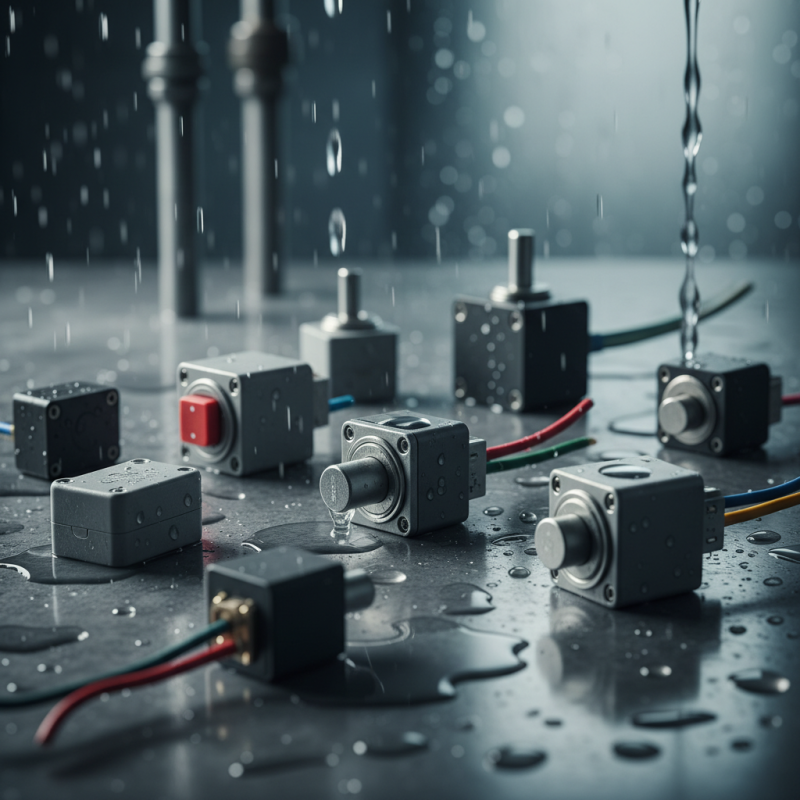
Types of Waterproof Micro Switches: An Overview
When selecting waterproof micro switches, understanding their various types is crucial for effective use in your projects. Commonly, these switches fall into categories based on their design and application. The most prevalent types include sealed, submersible, and splash-proof switches. Each type offers distinct advantages, meeting different environmental requirements.
Sealed micro switches are fully encapsulated, defending against dust and moisture. These are ideal for applications in industries like automotive or outdoor equipment. Submersible switches are designed to function even when fully submerged, making them suitable for marine applications. Conversely, splash-proof switches protect against water splashes but are not designed for immersion.
Tip: Always assess the environment where the switch will be used. A switch claimed to be waterproof may not uphold its promise under extreme conditions.
Data suggests that over 30% of equipment failures are linked to environmental factors. Therefore, choosing the right micro switch is critical. Evaluate the specific needs of your project before making a decision. Inadequate protection can lead to malfunctions, expense, and safety hazards. Regularly revisiting your choice may prevent complications down the line.
Tip: Consider the installation process. Complicated setups can lead to user error. Simple designs usually enhance reliability and ease of use.
Key Features to Consider When Choosing Waterproof Micro Switches
When selecting waterproof micro switches for your projects, certain key features stand out. First, consider the IP rating. This classification scores how well a switch can resist water and dust. Look for IP67 or higher ratings for full protection against moisture. You want reliability, especially in outdoor settings.
Next, assess the materials used in the switch. Stainless steel and plastics are common choices. These materials help prevent corrosion and ensure durability. Also, think about the operating temperature range. Some switches perform poorly in extreme weather. It’s crucial they function in your specific environment.
Finally, evaluate switch actuation. Different mechanisms are available, such as lever or push-button. Each type provides distinct feedback and sensitivity. Some users find it hard to adapt to varying actuation styles. Experimentation might be necessary to identify the best fit for your needs. Balancing these features can be challenging but is essential for achieving reliable performance in your projects.
Best Waterproof Micro Switch Options for Your Projects? - Key Features to Consider When Choosing Waterproof Micro Switches
| Model | Actuation Type | IP Rating | Contact Rating | Operating Temperature |
| Model A | Tactile | IP67 | 5A @ 125VAC | -40°C to 85°C |
| Model B | Roller Lever | IP68 | 10A @ 250VAC | -20°C to 70°C |
| Model C | Slide | IP65 | 2A @ 30VDC | -30°C to 80°C |
| Model D | Pin Plunger | IP66 | 3A @ 125VAC | -25°C to 60°C |
Application Areas for Waterproof Micro Switches in Different Industries
Waterproof micro switches are vital in various industries. They excel in environments where moisture is prevalent. For instance, the automotive sector relies heavily on these switches. A report by MarketsandMarkets highlights that the automotive micro switch market is projected to grow significantly, with waterproof designs gaining traction. These switches endure rigorous conditions, ensuring reliable performance.
In the home appliance industry, waterproof micro switches are essential. They are used in washing machines and refrigerators, where exposure to water is routine. Industry estimates suggest that nearly 30% of appliance failures stem from electrical issues related to moisture. Utilizing waterproof switches reduces this risk, but not all manufacturers prioritize quality.
Medical devices also benefit from waterproof micro switches. Patient equipment often requires waterproof features. According to a recent survey, around 15% of medical device failures result from moisture-related damage. This underscores the need for durable, well-designed switches. Yet, challenges remain. Some designs may still falter under extreme conditions. Continuous improvement in engineering is necessary to address these concerns.
Top Brands and Products for Waterproof Micro Switches
When choosing waterproof micro switches, it's essential to understand the options available in the market. Various designs cater to different environments. For instance, some switches are rated to IP67, meaning they can withstand immersion in water. This rating is crucial for outdoor applications where switches face rain or spills.
Recent studies have shown that over 30% of equipment failures in outdoor environments are due to water damage. This highlights the importance of selecting reliable products. High-quality waterproof micro switches reduce such risks significantly. They are often made with durable materials that resist corrosion.
In addition, recent industry data indicates that using waterproof switches can prolong the lifespan of electronic devices by up to 25%. While pricing can vary, the cost of investing in reliable switches often pays off in maintenance savings. However, not all switches labeled as waterproof perform equally. It's vital to read specifications carefully and consult multiple sources. Always consider the specific application requirements.
Tips for Installing and Maintaining Waterproof Micro Switches
When installing waterproof micro switches, attention to detail is key. These components must endure harsh conditions. According to industry research, over 70% of switch failures occur due to moisture damage. Proper sealing and placement can significantly reduce this risk. Ensure that your chosen micro switch is rated for IP65 or higher. This rating guarantees resistance against water jets and dust.
Maintenance is equally important. Keep in mind that regular checks can prolong the life of your micro switches. Dust and debris can accumulate over time, impacting performance. It is beneficial to clean terminals and connections periodically. Use a soft brush or cloth for this task. Interestingly, about 40% of switch issues arise from insufficient maintenance. This statistic highlights the importance of routine inspections.
While waterproof micro switches are designed for reliability, things can still go wrong. Seal degradation over time is a reality. Environmental factors may lead to reduced effectiveness. Adopting proactive measures in both installation and upkeep can lead to significant improvements. Regular updating of your maintenance strategy is essential, as technologies evolve quickly.
Waterproof Micro Switch Performance Comparison