What is the Best Battery Cable Ends for Global Buyers?
When it comes to choosing the best battery cable ends, expertise is essential. Renowned battery expert, Dr. Emily Voss, emphasizes, "The right connectors ensure optimal performance and safety." Battery cable ends are critical components in any electrical system. They directly influence the efficiency of energy transfer and the overall reliability of the setup.
Globally, buyers face diverse options for battery cable ends, but making the right choice can be overwhelming. Factors such as material, compatibility, and durability need consideration. For instance, copper and aluminum are common materials, but each serves different applications. Knowing these details can prevent costly mistakes and enhance performance.
While several brands may claim superiority, not all meet stringent quality standards. Some battery cable ends may look appealing but can fail under heavy usage. This highlights the importance of reliability and proven performance in selecting the right ends for your needs. Always aim to research and reflect upon your choices to ensure maximum safety and efficiency in your setup.
What Are Battery Cable Ends and Their Importance?
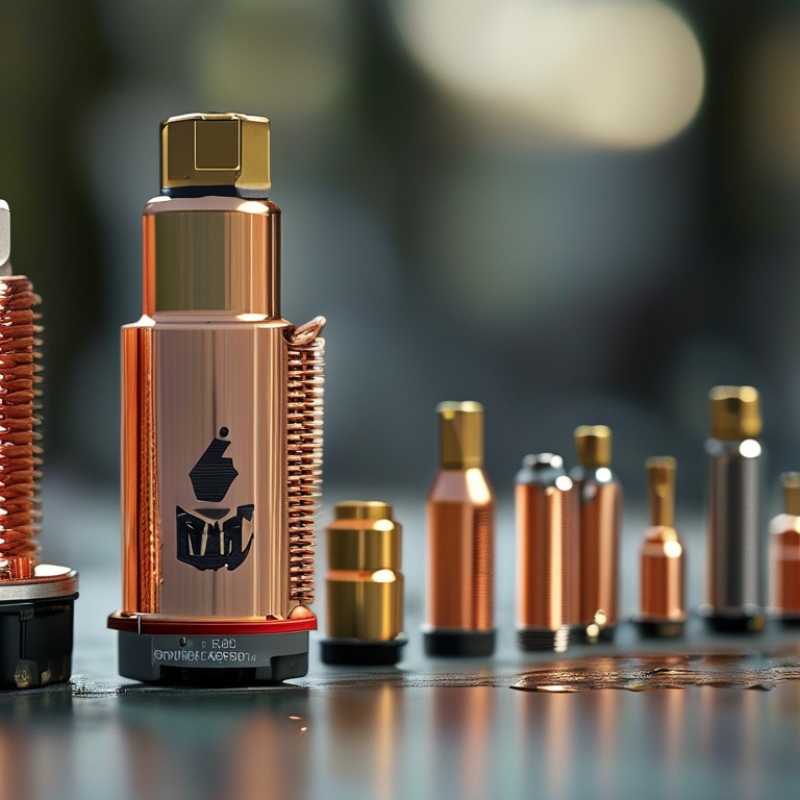
Battery cable ends play a crucial role in connecting batteries to electrical systems. They ensure a secure and efficient transfer of electricity. These components are essential for applications in automotive, marine, and renewable energy sectors. The reliability of battery cable ends can directly impact the overall performance of the electrical system.
According to a 2021 industry report, nearly 30% of electrical failures in vehicles stem from faulty connections and poor-quality cable ends. This statistic highlights the importance of choosing high-quality connectors. Improper connections can lead to overheating and even battery drainage. A reliable connection promotes safety and enhances the lifespan of the battery.
When selecting battery cable ends, buyers should consider the material and construction. Copper and tinned copper are preferred for their superior conductivity. Additionally, investing in heat-shrink connectors can provide added protection against corrosion. However, not all options suit every application. It’s essential to understand the specific requirements and the environment in which the cables will be used. This knowledge can prevent unexpected failures and ensure optimal performance.
Types of Battery Cable Ends: A Comprehensive Overview
When considering battery cable ends, several types stand out for buyers worldwide. The most common types include ring terminals, spade terminals, and alligator clips. Each type has distinct advantages depending on application. Ring terminals provide a secure connection, ideal for permanent installations. Spade terminals are versatile, making them suitable for various connections. Alligator clips offer easy attachment and detachment, great for temporary setups.
Choosing the right type requires understanding the specific needs of your project. If you're working with a high-current situation, ring terminals may be your best bet. However, for less demanding tasks, spade terminals can suffice. Alligator clips might not ensure the same level of stability but offer convenience for quick tests.
Common mistakes include mismatching terminal types with cables. This can lead to poor connections and safety hazards. Moreover, considering the environment is essential. High humidity or extreme temperatures can affect how well the terminal performs. Reflecting on these elements can lead to better decisions and safe operations. Always remember to prioritize the quality of materials and design for durability.
Key Factors to Consider When Choosing Battery Cable Ends
When choosing battery cable ends, several key factors come into play. The material is crucial. Common options are copper and aluminum. Copper offers excellent conductivity, while aluminum is lightweight and cost-effective. Consider where the cables will be used. High temperatures may require specific materials or coatings to prevent degradation.
Another factor is the size of the cable ends. A mismatched size can lead to poor connections, impacting performance. Make sure to measure accurately. The gauge of the wire affects the current they can handle. Heavier gauge wires are better for high-power applications.
Tip: Always check for a secure fit. Loose connections can create sparks or cause failures. Investing time in this step pays off.
Corrosion resistance should not be overlooked. Look for cable ends that have protective coatings or are made from corrosion-resistant materials. This ensures longevity and reliability.
Tip: Regular maintenance checks are essential. Look for signs of wear or corrosion, as these can indicate potential issues down the line. Keeping an eye on these details can save time and money later.
Top Battery Cable Ends Preferred by Global Buyers
When it comes to battery cable ends, global buyers show a preference for specific types. Copper battery terminals, renowned for their excellent conductivity, are a top choice. They minimize energy loss and resistance, crucial for vehicle efficiency. Buyers also seek terminals with a durable design. Corrosion-resistant coatings extend the life of these components, making them a wise investment.
Another popular option among global buyers is lead battery cable ends. While they are heavier, their robust performance is undeniable. Many users appreciate their affordability, despite potential drawbacks in weight and handling. Crimped connections are often favored for easy installation, but quality varies. Some users may find them difficult to install securely.
Ultimately, the choice of battery cable ends reflects a balance between performance and convenience. Buyers should consider their specific needs and application before making a decision. It’s essential to weigh the pros and cons of each type. Making an informed choice leads to better vehicle performance and longevity.
Installation Tips for Optimal Performance of Battery Cable Ends
When installing battery cable ends, proper techniques can maximize performance. Start with clean connections. Use a wire brush to remove corrosion from the cable ends. This ensures better conductivity and reduces the risk of overheating. Something simple can make a big difference.
Next, ensure you choose the correct size for the cable connectors. An improper fit may lead to loose connections. Loose connections increase resistance and can cause battery failure over time. Always double-check the sizing before attaching new cable ends.
Additionally, remember to secure your connections. Use appropriate tools to tighten down cable ends firmly. A loose connection can lead to arcing, which poses safety risks. Take time to inspect your work. Even small mistakes can lead to significant issues.
What is the Best Battery Cable Ends for Global Buyers? - Installation Tips for Optimal Performance of Battery Cable Ends
| Cable Type |
Material |
Current Rating (amps) |
Installation Method |
Optimal Temperature Range (°C) |
| Copper |
Copper Alloy |
175 |
Soldered |
-20 to 85 |
| Aluminum |
Aluminum alloy |
120 |
Crimped |
-40 to 70 |
| Heavy Duty |
Tin-Plated Copper |
250 |
Bolt-On |
-10 to 60 |
| Flexible |
Braided Copper |
150 |
Heat Shrink |
-20 to 75 |
| Standard |
Copper |
100 |
Crimped |
-20 to 60 |