
Choosing the best Automatic Folding Scooter in 2026 takes more than comparing advertised range or folding speed. The right model should fit your body, your daily routes, and the space available in your car or home. A scooter that folds in seconds may still feel awkward if its controls are hard to reach or its folded frame is difficult to lift.
This guide compares practical details that matter in everyday use: seat comfort, turning space, battery range, portability, and ease of operation. We’ll also explain what to check in product specifications and how to match a scooter’s features to your routine. Small details count. A narrow hallway, a raised car trunk, or a long walk from the parking lot can change which model works best.
Expert attribution matters, too. No verifiable expert quotation or source was provided, so this introduction does not invent a quote or assign one to a named specialist. Instead, the comparison focuses on checkable product information and clear buying criteria. Some trade-offs remain personal: lighter scooters may feel less substantial, while longer-range models can be heavier. The best choice is not always the most expensive one. It is the scooter you can handle confidently, fold reliably, and use where you actually go.
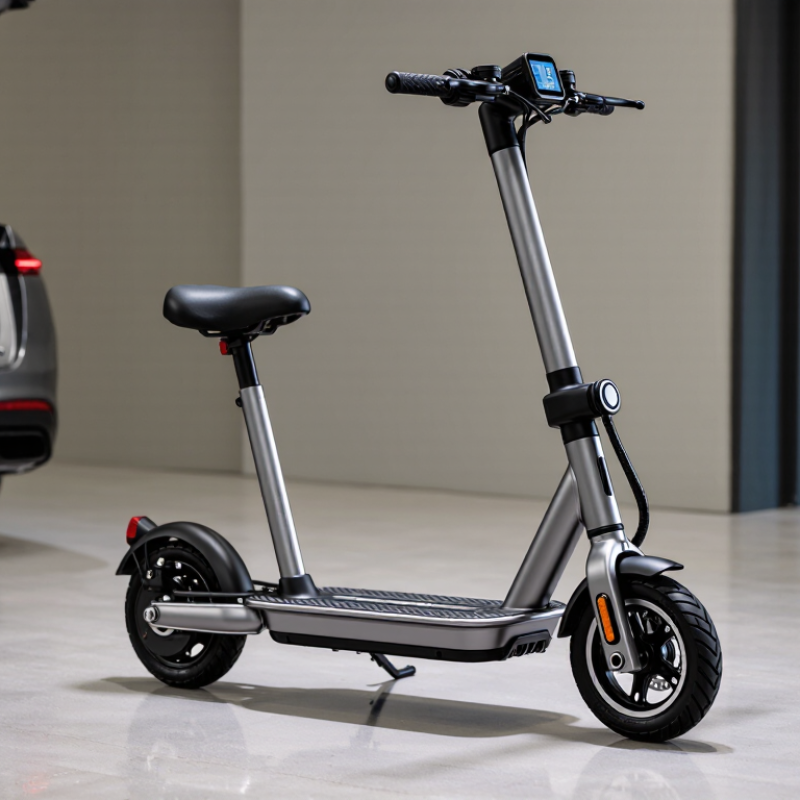
An automatic folding scooter is a powered mobility scooter designed to fold with minimal manual effort. A button on the scooter or remote control typically activates a motorized mechanism that brings the frame into a compact shape. The rider still needs to follow the manufacturer’s instructions and keep hands clear of moving joints. It is not the same as a lightweight manual scooter that folds only by hand.
When unfolded, the scooter provides a seat, steering controls, and a battery-powered drive system. When folded, it may fit into a vehicle trunk or a storage corner, depending on its dimensions. That matters. “Automatic” describes the folding action, not necessarily the scooter’s weight, range, or ease of lifting. Check the folded measurements, battery details, maximum load, and charging process before choosing one. A scooter can fold neatly and still be awkward to carry.
The mechanism also needs sensible care. Keep folding joints free of grit, and do not force the frame if it stops partway. Battery performance can vary with temperature, terrain, rider weight, and battery age. Small details are easy to overlook. An automatic folding scooter may suit someone who often needs compact storage, but it may not suit every journey or every user. Testing the seat, controls, and folding process in person can reveal practical issues that a product description misses.
An automatic folding scooter uses a powered hinge to bring its frame into a compact position. Pressing a button usually activates a small motor or linear actuator. Linkages then guide the front and rear sections together along a set path. The movement should feel controlled, not abrupt. It is not magic.
A latch holds the scooter open for riding and secures it again when folded. Depending on the design, sensors may help prevent movement if the frame is not aligned. These features vary, so the owner’s manual matters more than a general description. Keep hands clear of the hinge; the closing gap can pinch fingers. Fold the scooter on level ground, with enough space around it.
The reverse process releases the latch and powers the frame open. Listen for the locking click, then check that the frame feels firmly secured before riding. If the battery is low, some designs provide a manual release, but not all do. Never force a stuck hinge. Dust, wear, or a misaligned latch can interfere with movement, and automatic folding does not eliminate routine checks. It may save effort, but it still deserves attention.
The motorized mechanism moves the scooter’s frame from its riding configuration toward its folded configuration. Exact movement and controls vary by model.
How to read this chart: Progress is normalized from 0% (unfolded) to 100% (folded) to explain the sequence, not to report measured performance. Typically, the user activates the folding control, a powered actuator moves the frame, and a latch or locking system secures it. Follow the scooter’s manual and confirm the frame is locked before lifting or transporting it.
A useful 2026 folding scooter should fit daily routines, not just look compact in a product photo. The CDC’s 2023 disability report found that 13.7% of U.S. adults had a mobility disability. That makes easy transfers, stable handling, and reachable controls practical priorities, not minor extras. Check the folded dimensions against your car trunk or hallway, and ask whether the battery can be removed for charging. Small details matter.
Range claims need careful reading. ISO 7176-4 provides a standardized method for measuring the theoretical range of powered wheelchairs and scooters, but hills, cold weather, rider weight, and frequent stops can reduce real-world distance. Ask how a scooter was tested, and leave a sensible buffer for the trip home. Brakes, lights, anti-tip features, and a comfortable seat deserve hands-on checks, too. Try a tight turn and a gentle ramp if possible. A lighter frame may fold more easily, yet feel less reassuring over uneven pavement. That trade-off is easy to overlook. One awkward detail: the easiest scooter to lift may not be the easiest one to ride.
Use this brand-neutral scorecard to compare automatic folding scooters. The weightings are an editorial shopping framework, not measured product ratings; verify specifications and suitability with the manufacturer or seller before purchase.
| Feature | Suggested Weight | What to Check | Why It Matters | Practical Buying Guidance |
|---|---|---|---|---|
| Portability and lifting weight | 20% | Overall scooter weight, battery weight, and the heaviest piece if the scooter separates for transport. | A scooter that is easy to fold may still be difficult to lift into a vehicle. Total weight and lifting weight are not always the same. | Compare the listed weights with what you can safely lift. If possible, handle the scooter or its heaviest removable component before buying. |
| Folding and unfolding operation | 15% | Whether folding is powered or assisted, how controls work, whether the process can be stopped safely, and whether manual operation is possible if power is unavailable. | Automatic operation can reduce effort, but the mechanism should be straightforward and practical for the intended user. | Ask for a live demonstration. Check the folded scooter’s stability and whether it can be unfolded without awkward reaching or excessive force. |
| Real-world travel range | 15% | Published range, battery capacity, charging time, and the conditions used for the range estimate. | Actual range can vary with rider and cargo weight, terrain, speed, temperature, battery condition, and stop-start use. | Do not plan journeys using the headline range alone. Ask how the range was tested and allow a reserve for your typical routes. |
| Rider fit and comfort | 15% | Seat width and adjustment, legroom, tiller reach, foot space, and the scooter’s stated maximum user weight. | A scooter needs to fit the rider comfortably and remain within its specified load limit, including carried items. | Test the seating position and controls if possible. Confirm that the user’s weight plus cargo does not exceed the stated capacity. |
| Stability and intended terrain | 12% | Wheel layout, ground clearance, tyre type, turning space, and the manufacturer’s guidance on slopes and surfaces. | Small portable scooters are generally designed for particular surfaces and conditions; capability should not be assumed from appearance alone. | Match the scooter to the user’s regular routes. Follow the stated slope and surface limits, and avoid unapproved off-road use. |
| Safety and controls | 10% | Braking behaviour, speed controls, lights or reflectors where needed, visibility of indicators, and accessible control placement. | Controls should be understandable and reachable, and the scooter should stop predictably in the conditions for which it is intended. | Test starting, turning, and stopping in a safe open area. Review the manual and local rules before use. |
| Battery handling and charging | 8% | Whether the battery is removable, where it can be charged, charger requirements, and replacement-battery availability. | Charging access and battery serviceability affect everyday convenience and long-term ownership. | Confirm the recommended charging procedure and battery replacement options. For air travel, check the airline and applicable transport rules directly. |
| Warranty, service, and parts | 5% | Warranty coverage, service access, expected parts availability, and support for the folding mechanism and battery. | Portable powered equipment may need maintenance, and repair access can matter as much as initial convenience. | Read the warranty terms, including exclusions and service arrangements, before purchase. |
| Total suggested weighting | 100% — Adjust the priorities to suit the rider, transport method, and usual journeys. | |||
What Is the Best Automatic Folding Scooter in 2026?
How Do Leading 2026 Models Compare?
Leading automatic folding scooters are best compared by more than folding speed. Check the folded dimensions and total weight, then consider whether one person can lift the scooter into a car. Some models fold with a remote; others use a button on the frame. Try the controls in person if possible. A fast mechanism is less useful if the scooter feels awkward to steer or unfold.
Range claims need context. Rider weight, temperature, hills, and frequent stops can all reduce battery distance. A compact model may suit short indoor trips, while a larger battery and steadier wheels can help on longer outdoor routes. Compare turning space, seat support, ground clearance, and how easily the battery can be removed for charging. Small details matter. A showroom floor also won’t reveal how a scooter handles uneven pavement, so ask about a practical test ride and service support.
Tips: Measure your car’s trunk opening, not just its storage area. Test the folded scooter’s weight before buying, and check whether the battery can be charged separately. Keep a little skepticism: advertised range and effortless folding may not match everyday use.
Choosing a scooter starts with your daily route, not its folding mechanism. Measure your doorway, car trunk, and tightest indoor turn. Then compare the scooter’s folded dimensions, total weight, and lifting points with what you can manage comfortably. Measure it twice. A compact model may still feel awkward if its folded shape is bulky or its controls are hard to reach.
Match the scooter to your terrain and routine. Check the stated range against your typical round trip, and leave room for hills, cold weather, and battery aging. Ask a qualified mobility professional to assess seat support, transfer needs, and safe turning in your home. The World Health Organization’s Global Report on Assistive Technology (2022) estimates that 2.5 billion people need at least one assistive product; access and suitability both matter. A device that fits someone else may not fit you.
Try it before buying, if possible. Test the folding steps, brakes, and turning response on a level surface, then on the kind of pavement you use. The CDC reports that more than 14 million U.S. adults aged 65 and older report a fall each year; this is not scooter-specific evidence, but it makes safe handling worth checking carefully. Ask about battery replacement, service access, and warranty coverage. I would not rely on advertised range alone—it is an estimate, and real trips can be less forgiving.