Top 10 Benefits of Using an Isolation Switch for Safety
Isolation Switches are crucial for ensuring safety in various electrical applications. They act as a reliable way to disconnect power during maintenance or emergencies. By isolating the circuit, these switches help prevent accidents and protect personnel from electrical shock.
In many industries, the lack of proper isolation can lead to disastrous outcomes. For example, during equipment servicing, unexpected power surges can cause injuries. An isolation switch mitigates such risks effectively. It allows workers to perform their tasks safely without the fear of live electricity.
While the benefits of using an isolation switch are clear, it's essential to recognize implementation challenges. Not every facility has adequate training on their use. This gap can lead to misuse or negligence, undermining safety. Thus, while isolation switches provide a vital safety measure, awareness and proper training remain key to their effectiveness.
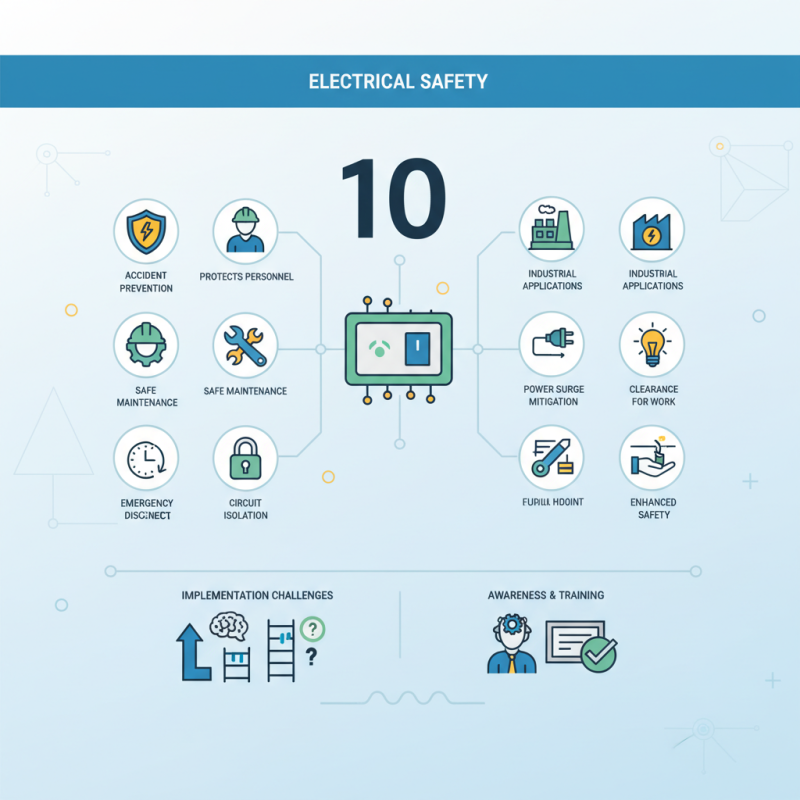
Benefits of Isolation Switches in Electrical Safety Protocols
Isolation switches play a critical role in electrical safety protocols. They serve as a key measure for preventing electrical accidents. By cutting off power during maintenance, they protect technicians from electric shocks. This added layer of safety reduces risks significantly.
When using isolation switches, make sure they are easily accessible. In an emergency, quick action is essential. Ensure that everyone in the area knows how to use them. This knowledge can save lives. Regular training sessions can help reinforce these skills.
Make a checklist for routine inspections. Check for any wear or damage to switches. These switches need to be in top condition; otherwise, they can fail when needed most. Encourage feedback from users about the reliability of the switches. Refining these protocols can improve overall safety. Always stay vigilant and prepared for any issues that arise.
Top 10 Benefits of Using an Isolation Switch for Safety
Enhanced Safety for Maintenance Personnel Using Isolation Switches
Isolation switches play a crucial role in enhancing safety for maintenance personnel. They allow for the complete shutdown of electrical systems. According to the National Safety Council, more than 300 electrocution fatalities occur each year. Isolation switches can significantly reduce these incidents by providing a safer working environment.
When maintenance is performed, workers rely on certainty. They need to know that systems are completely de-energized. A reliable isolation switch minimizes the risk of unexpected energization. In fact, a study by the International Electrotechnical Commission notes that proper lockout/tagout procedures can decrease accidents by 60%. This emphasizes the importance of employing isolation switches during maintenance activities.
The impact of isolation switches goes beyond mere safety. They improve efficiency and protect equipment. Regular maintenance schedules can face delays due to safety concerns. Without effective isolation systems, workers may hesitate. This hesitation can disrupt operations. Moreover, faulty isolation mechanisms can lead to critical incidents. It highlights the importance of regularly reviewing and testing these devices.
Minimizing Electrical Hazards in Industrial Environments with Isolation Switches
Isolation switches play a crucial role in minimizing electrical hazards in industrial environments. These switches allow for safe maintenance and operation of equipment without the risk of unexpected energization. When installed correctly, they help in reducing electrical accidents. They provide a clear method for isolating energy sources, protecting workers from potential hazards.
It’s essential to train staff on using these switches properly. Misunderstandings can lead to accidents. Here are some tips: always ensure the switch is in the off position before starting work. Regularly inspect the switches for signs of wear or damage. This simple step can prevent serious injuries.
Another vital aspect is emergency procedures. In case of an unexpected situation, workers should know how to access isolation switches quickly. Each team member should practice these procedures regularly. Regular drills can enhance preparedness and reduce panic in real situations. Remember, safety is a continuous process, and there's always room for improvement.
Isolation Switches and their Role in Preventing Electrical Failures
Isolation switches are crucial in electrical systems. They help prevent electrical failures by allowing equipment to be safely disconnected from power sources. A recent report by the National Fire Prevention Association (NFPA) indicated that about 29% of electrical fires result from improper electrical maintenance. Isolation switches play a vital role in reducing this risk.
When electrical work is needed, isolation switches ensure safety. They allow technicians to work without risk. This diminishes the chances of accidental shocks. According to the Electrical Safety Foundation International, proper isolation can reduce workplace injuries by up to 50%. The statistics highlight the importance of these devices in workplaces.
Tip: Regularly check your isolation switches. Ensure they function correctly. This helps prevent unexpected failures.
Some installations may not include isolation switches. This can lead to dangerous situations. It's essential to assess and upgrade systems for added safety. Learn from past errors. Make adjustments to avoid future hazards.
Tip: Educate your team about the importance of isolation switches. Knowledge can foster a safer work environment.
Incorporating isolation switches into electrical systems isn't always perfect. Many facilities overlook their value. Yet, the benefits they provide are undeniable.
Compliance with Safety Regulations through the Use of Isolation Switches
Isolation switches play a crucial role in ensuring safety compliance within various industries. According to the National Fire Protection Association (NFPA), approximately 30% of electrical incidents in workplaces result from improper equipment shutdowns. This highlights the importance of using isolation switches to facilitate safe maintenance and repairs. By integrating these switches, businesses can ensure that equipment is completely de-energized, reducing the risk of electrical hazards significantly.
Additionally, isolation switches help organizations meet regulatory standards. The Occupational Safety and Health Administration (OSHA) has noted that compliance with safety regulations can lower workplace accidents by 40%. This compliance isn’t just beneficial; it’s necessary. Failure to implement adequate safety measures can lead to fines and increased operational risks. A report from the International Electrotechnical Commission (IEC) emphasizes that the use of isolation switches can improve overall safety ratings in electrical installations.
However, not all implementations are perfect. Some companies might overlook proper training for staff in using isolation switches effectively. This can lead to gaps in safety practices. It is vital that organizations regularly review their safety protocols and training programs to address these shortcomings. Regular audits can help identify areas needing improvement, ultimately fostering a safer working environment for all.