What are the Benefits of Photovoltaic Brackets for Solar Panels?
The rise of renewable energy has led to innovative solutions in solar technology. A key component in solar panel installations is the Photovoltaic Bracket. These brackets offer significant benefits that enhance the efficiency and durability of solar systems.
Photovoltaic Brackets provide stability and support for solar panels. They ensure that panels are securely attached at optimal angles. This positioning is crucial for maximizing sunlight exposure. Additionally, brackets are designed to withstand harsh weather conditions. They help maintain the integrity of the solar panels over time.
However, there are challenges associated with using Photovoltaic Brackets. Installation can require specialized knowledge and skills. Proper alignment is critical; otherwise, it can lead to inefficiencies. Some users may struggle with choosing the right bracket type for their needs. Each solution has its pros and cons, requiring careful consideration. This ongoing debate highlights the need for informed decision-making in solar installations.
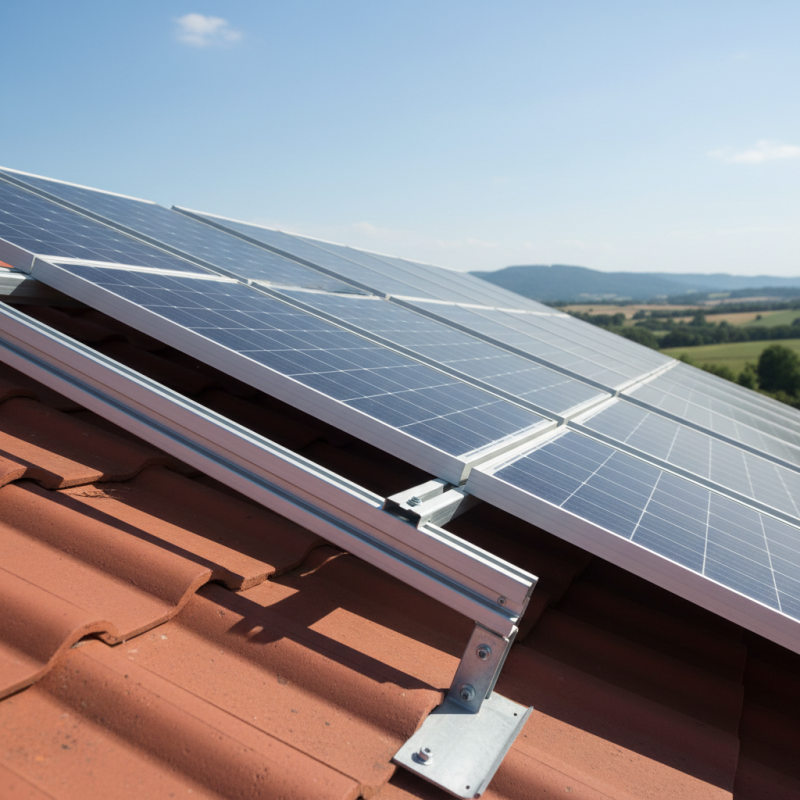
Benefits of Photovoltaic Brackets for Solar Panel Installation Efficiency
Photovoltaic brackets play a crucial role in enhancing solar panel installation efficiency. These brackets provide a reliable foundation, ensuring that panels remain securely attached to rooftops or ground mounts. They can accommodate various terrains and weather conditions, making installation more straightforward. By allowing for proper angling, they maximize sunlight exposure, which is vital for optimal energy production.
The design of photovoltaic brackets also simplifies the installation process. Technicians can work faster, ensuring that projects are completed within the planned timeframe. Yet, there can be challenges. If not aligned correctly, brackets may lead to inefficiencies. Misalignment can hinder performance and lead to energy loss. It's essential to double-check every fitting before finalizing the installation.
In addition, investing in quality brackets can reduce maintenance needs. Some cheaper options may wear out quickly or fail, leading to potential problems. Properly chosen brackets facilitate better airflow and heat dissipation, which prolongs the life of the solar panels. Focusing on these aspects during installation can yield long-lasting benefits. Careful attention to detail is critical.
Improving Solar Energy Capture with Optimized Tilt Angles
Optimized tilt angles play a vital role in improving solar energy capture. According to recent studies, adjusting the tilt angle of solar panels can increase energy production by up to 25%. This adjustment allows panels to capture sunlight more effectively throughout the day. Many installations still use fixed angles, which can be suboptimal for energy capture, especially in varying weather conditions.
Photovoltaic brackets enable easy adjustments of tilt angles, making them more versatile. For instance, a study published by the National Renewable Energy Laboratory shows that panels tilted at 30 degrees generate significantly more energy compared to those at flat angles. Real-world scenarios have shown that angles too high or too low can miss peak sunlight hours. This inefficiency leads to lower energy outputs, which can be frustrating for users invested in renewable energy.
Brackets also facilitate seasonal adjustments. In winter, a steeper angle captures more low-angle sunlight. In summer, a flatter angle ensures maximum exposure during long days. However, many systems still lack this adaptability, missing the opportunity to enhance efficiency. Such inefficiencies suggest room for improvement in solar panel installations, urging the need for better-designed solutions.
What are the Benefits of Photovoltaic Brackets for Solar Panels? - Improving Solar Energy Capture with Optimized Tilt Angles
| Benefit | Description | Impact on Energy Capture | Optimal Tilt Angle |
| Enhanced Energy Production | Brackets allow for the adjustment of tilt angles to maximize solar exposure. | Increases annual energy yield by up to 20%. | Optimal angle varies by latitude (e.g., 30-40 degrees). |
| Durability and Stability | Robust design supports panels against wind and snow loads. | Reduces risk of damage and prolongs lifespan of solar panels. | N/A |
| Improved Maintenance Access | Elevation allows easier cleaning and inspection of panels. | Ensures optimal performance through regular maintenance. | N/A |
| Versatility in Installation | Allows for varied rooftop and ground-mount installations. | Optimizes space usage and enables modular setups. | Depends on site-specific assessments. |
| Increased Aesthetic Appeal | Brackets can enhance the overall look of solar installations. | Can lead to greater acceptance in residential areas. | N/A |
Enhancing Durability and Longevity of Solar Installations through Brackets
Photovoltaic brackets play a critical role in the durability and longevity of solar panel installations. These brackets secure solar panels firmly in place, helping them withstand harsh weather conditions. Strong winds, heavy rain, and extreme temperatures can all damage loosely mounted panels. A well-installed bracket system can reduce this risk significantly.
The materials used in solar brackets are designed for resilience. Aluminum and stainless steel are common choices, known for their corrosion resistance. However, not all brackets are created equal. Sometimes, the wrong type may be used, which can lead to premature wear. Regular inspections can help identify issues before they become serious, ensuring that the system functions optimally.
Installation quality is another key factor. Improper installation may weaken the structural integrity of the brackets. This can lead to misalignment or even breakage. It's crucial to follow best practices during installation. The improvement of durability doesn’t just come from the brackets themselves; it requires collaboration between the installer and the product manufacturer. Thus, ongoing reflection on installation methods and bracket choices is essential for maximizing the lifespan of solar systems.
Cost-Effective Solutions: The Economic Advantages of Bracket Systems
Photovoltaic brackets offer several economic benefits for solar panel installations. First, they reduce the overall installation costs. By providing a quick and easy mounting solution, these brackets save labor hours. The quicker the setup, the more savings for homeowners.
Additionally, brackets enhance the efficiency of solar panels. Well-placed panels receive optimal sunlight, leading to greater energy production. Higher energy output means lower electricity bills, offering long-term financial advantages. The upfront cost of brackets is often recouped through these savings within a few years.
Choosing the right brackets can be tricky. If they are not durable, they may lead to future expenses. Homeowners should carefully assess their options. The right balance of cost and quality is essential for maximizing benefits. Investing in photovoltaic brackets is wise, but it requires thorough consideration.
Benefits of Photovoltaic Brackets for Solar Panels
This chart illustrates the key benefits of photovoltaic brackets for solar panels, highlighting cost savings, durability, ease of installation, space optimization, and maintenance reduction. The scores (out of 100) represent the perceived advantages of using bracket systems in solar installations.
Streamlined Maintenance and Accessibility of Solar Panels Through Brackets
Photovoltaic brackets play a crucial role in the accessibility of solar panels. These brackets securely hold panels in place, making it easier for maintenance crews to conduct routine checks. With structured mounts, the risk of damaging panels during servicing is minimized. Regular access can prevent potential issues, ensuring optimal performance.
Maintenance is often overlooked. However, easy access can significantly enhance the efficiency of solar energy systems. If brackets are poorly designed, they may complicate maintenance tasks. Inaccessible panels lead to neglect and can harbor dirt or debris. This buildup can reduce energy output. Thus, investing in quality brackets is vital for long-term sustainability.
Moreover, maintenance isn't just about cleaning. It involves inspections for wear and tear. Brackets should allow for easy adjustment if the angle of the panels needs changing. Occasionally, installers may rush through the setup, overlooking optimal positioning. Reflecting on these factors can lead to better designs and more effective solar solutions. Good brackets should be a blend of sturdy design and user-friendliness. This balance is essential for ensuring that solar systems perform at their best.