
What Is a 250cc Dirt Bike and Is It Right for You?

A 250 Cc Dirt Bike is an off-road motorcycle with an engine displacement of about 250 cubic centimeters. That number describes engine size, not a guaranteed level of speed or difficulty. A four-stroke model may deliver power differently from a two-stroke, while gearing, weight, suspension, and maintenance also shape the ride. Details matter.

For a new rider, the category can sound like a sensible middle ground. Sometimes it is. A bike that feels manageable on a wide practice trail may feel demanding on a steep, loose climb. Seat height matters too: standing beside a motorcycle in a showroom is different from stopping on uneven ground, where both feet may not reach comfortably. That small detail is easy to overlook.

This guide looks at what 250cc dirt bikes are built for, how their designs vary, and what to consider before choosing one. Think about your experience, the trails you expect to ride, and whether the bike’s weight and controls suit your body. Check the owner’s manual for maintenance requirements, and ask a qualified dealer or technician about model-specific features. Protective gear and gradual practice are part of responsible riding, not optional extras. No single engine size is right for everyone. And specifications alone cannot tell you how a bike will feel. A careful comparison can help you make a better-informed choice.
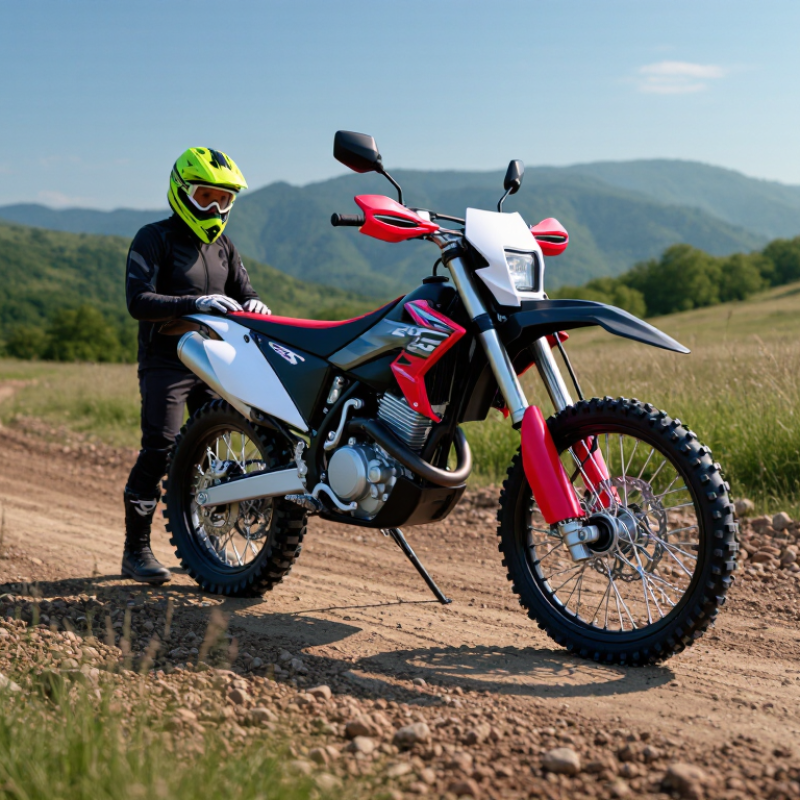
What Is a 250cc Dirt Bike and Is It Right for You?

What a 250cc Dirt Bike Is and How Its Engine Works

A 250cc dirt bike has an engine with about 250 cubic centimeters of displacement. Displacement describes the combined space swept by the piston or pistons as they move. That figure measures volume, not power. Not horsepower. Two engines with the same displacement can feel quite different because of their design, tuning, gearing, and condition.

In a four-stroke engine, the piston draws in an air-fuel mixture, compresses it, and receives power when a spark plug ignites it. The piston then pushes exhaust gas out. These steps repeat rapidly while the crankshaft turns and sends power through the transmission to the rear wheel. A two-stroke engine completes its cycle differently, combining some of these steps. Either design can deliver strong acceleration, but the power curve and maintenance needs vary.

On a trail, engine response matters more than the number stamped in a specification sheet. A well-geared 250cc bike may climb steadily, while a sudden throttle opening can spin the rear tire on loose gravel. I used to think displacement alone predicted how manageable a bike would feel. That was too simple. Rider experience, terrain, and engine condition also matter. Regular checks of oil, air filters, and cooling components help the engine run reliably, though service needs depend on its design and use.

Key Components, Performance, and Common Bike Types

A 250cc dirt bike has an engine displacement of 250 cubic centimeters, but that number does not tell the whole story. A four-stroke usually delivers power more steadily; a two-stroke often feels sharper and lighter. The engine, transmission, suspension, tires, and frame all shape how the bike responds. SAE J1349 standardizes engine-power testing, so compare figures measured under the same procedure. A bigger number is not automatically better. Small details matter.

Common types include motocross bikes, built for jumps and closed courses; enduro bikes, designed for longer, rougher routes; and trail bikes, often tuned for manageable low-speed control. The Motorcycle Industry Council’s annual sales reporting separates on-highway and off-highway motorcycles, a useful reminder that “motorcycle” data does not always describe dirt-bike demand. A 250 can still feel tiring if its seat is tall or its throttle response is abrupt. I would not judge fit from engine size alone.

Tips: Sit on the bike in riding boots and check whether both feet feel secure. Ask how its power is measured, and compare suspension travel and weight, not just displacement. Practice on easy ground first. Awkward at first? That is normal.

What Is a 250cc Dirt Bike and Is It Right for You?

Engine cycle comparison: a two-stroke produces one power stroke per crankshaft revolution, while a four-stroke produces one every two revolutions.

A 250cc engine has a displacement of about 0.25 liters. Both two-stroke and four-stroke designs are common in dirt bikes; engine cycle alone does not determine power, handling, or suitability for a rider.

How Rider Experience and Size Affect the Fit

A 250cc dirt bike can suit very different riders, depending on its engine type, weight, gearing, and suspension. The number alone does not tell you how manageable it will feel. A four-stroke often delivers power differently from a two-stroke, so compare the actual bike, not just its displacement. Newer riders may find a predictable throttle and smooth clutch easier to control. Small inputs matter.

Rider size affects comfort and control, but height is only part of the picture. Check whether your boots can reach the ground well enough for your confidence, and whether your knees feel cramped while seated. When standing, you should be able to bend your elbows and move freely over the foot pegs. A tall seat can feel intimidating at a stop, yet suspension sag may lower the bike once you sit. That measurement can mislead.

Experience matters just as much. A skilled rider may handle stronger acceleration, while a beginner can tire quickly from managing a heavy bike or abrupt power. Try sitting on the bike and, where possible, test it at low speed in a suitable riding area. Notice whether you can smoothly operate the clutch and brakes, turn, and stop without straining. Even these checks are imperfect. Your comfort may change after a few rides, so leave room to reassess.

Where 250cc Dirt Bikes Perform Best

A 250cc dirt bike performs best where the terrain rewards a balance of manageable power and agility. On flowing forest trails, rolling hills, and open dirt roads, it can carry speed without feeling as demanding as many larger machines. A 250cc four-stroke often delivers smoother low-speed power, while a two-stroke may feel sharper. Engine size alone does not tell the whole story.

Steep, loose climbs and deep sand demand more from the rider. In those conditions, momentum matters, and a rider may need to work the clutch and select lines carefully. The USDA Forest Service’s Trail Construction and Maintenance Notebook uses grades below 10% as a practical trail-design target in many cases; steeper slopes need careful alignment and drainage. That guidance concerns trail sustainability, not bike capability, but it helps explain why well-built, flowing routes suit a 250cc machine.

On a motocross track, a 250cc bike can handle jumps and ruts, though suspension setup and rider skill matter more than displacement alone. Rocky, slow trails can expose weaknesses in gearing, cooling, or rider technique. I may be oversimplifying: two bikes with the same engine size can feel very different. Check the route’s surface, elevation changes, and tight turns before choosing. A muddy switchback changes everything.

Factors to Weigh Before Choosing a 250cc Dirt Bike

A 250cc dirt bike can feel manageable on a wide trail and demanding on a tight, rocky climb. Engine size alone does not tell you how strong or forgiving a bike will feel. Four-stroke and two-stroke engines deliver power differently, and gearing, suspension, and overall weight matter too. Check the seat height with your boots on. A bike that feels fine in a showroom may be awkward when you need to stop on uneven ground.

Be honest about your riding experience. A newer rider may find a responsive 250 tiring, especially in deep sand or rutted turns. That matters. Consider where you will ride most: open trails, wooded paths, or a practice track each place rewards different handling and suspension settings. If possible, sit on a few bikes and ask an experienced mechanic to explain their maintenance schedules. Small details count, such as whether you can reach the controls comfortably while standing.

Budget for more than the purchase price. Tires, chain care, air-filter cleaning, and routine servicing take time and money. Protective equipment and a properly fitted helmet belong in the plan, too. A larger engine is not automatically the better choice. I might be tempted by extra power, but control over several hours matters more than a brief burst on a straight section. Think about your height, strength, terrain, skill, and willingness to maintain the bike before choosing.

What Is a 250cc Dirt Bike and Is It Right for You? — Factors to Weigh Before Choosing a 250cc Dirt Bike

Factor Typical 250cc Dirt Bike Information What to Consider
Engine displacement About 250 cubic centimeters (approximately 15.3 cubic inches). Displacement alone does not determine power or ease of control; engine design and tuning matter.
Engine type Available with two-stroke or four-stroke engines. Many modern trail and motocross models use four-stroke engines. Two-strokes and four-strokes deliver power differently and have different service requirements. Check the specific model’s manual.
Power and response Output varies considerably by engine type, tuning, and intended use; there is no single power figure for all 250cc bikes. A competition-focused bike may feel much more responsive than a trail-focused model. If possible, sit on or test-ride the bike appropriately.
Seat height and fit Many full-size dirt bikes have seat heights around 36–38 inches (about 91–97 cm), though individual models vary. Check reach to the ground, handlebar position, and control access. Suspension sag and seat design affect how the bike feels when seated.
Weight Many full-size models weigh roughly 220–260 lb (about 100–118 kg) ready to ride, but equipment and measurement methods vary. A manageable weight matters when picking the bike up, turning slowly, or riding technical trails. Compare ready-to-ride figures where available.
Best-fit riding Depending on its setup, a 250cc bike may be designed for trails, enduro riding, motocross, or a mix of off-road use. Match the bike to your terrain. Suspension, gearing, tires, and equipment can be as important as engine size.
Rider experience A 250cc bike can suit experienced riders, but some versions may be demanding for a beginner. New riders should prioritize predictable power delivery, a comfortable fit, and instruction rather than choosing by displacement alone.
Maintenance Service intervals depend on whether the bike is a competition model or a trail model, how it is ridden, and its engine design. Review the maintenance schedule and budget for routine items such as oil, air-filter care, chain adjustment, and model-specific engine service.
Public-road use Many dirt bikes are intended for off-road use and are not automatically street-legal. Road registration and equipment requirements vary by location. Verify local rules and the bike’s documentation before riding on public roads.
Overall suitability A 250cc dirt bike can offer a useful balance of capability and size, but models in this category differ widely. Choose based on fit, skill, terrain, engine character, maintenance needs, and intended use—not the “250cc” label alone.

Figures are general ranges for full-size dirt bikes, not specifications for every model. Always confirm details in the manufacturer’s specifications and owner’s manual.