2026 Top Welding Cable Reel Manufacturers?

Choosing the right Welding Cable Reel manufacturer in 2026 requires more than comparing product photos or advertised prices. Industrial buyers need dependable equipment for fabrication shops, construction sites, mining operations, shipyards, and maintenance teams. A reel must manage heavy cables safely, support repeated unwinding, and perform reliably in demanding environments.

This guide examines leading manufacturers through practical criteria, including material quality, reel capacity, braking systems, swivel design, cable compatibility, and after-sales support. Field experience matters. A well-built reel should remain stable beside a welding machine, protect the cable from sharp bends, and operate smoothly when workers wear gloves. Manufacturers with documented testing, clear specifications, and responsive technical service deserve closer attention.

Real conditions can expose weaknesses.

A polished catalog does not guarantee long-term performance. Dust, heat, moisture, impact, and frequent movement may reveal problems that factory demonstrations overlook. Therefore, this comparison also considers user feedback, warranty clarity, maintenance access, and customization capability. These factors can separate a dependable supplier from a merely visible brand.

No ranking is perfect. Product availability, regional service, and application requirements can change quickly in 2026. A manufacturer that suits a mobile repair truck may not meet the needs of an automated welding line. Buyers should verify load ratings, insulation requirements, installation conditions, and local technical support before making a final decision. The goal is not to identify one universal winner. It is to highlight manufacturers that consistently combine engineering discipline, manufacturing experience, and trustworthy customer support.
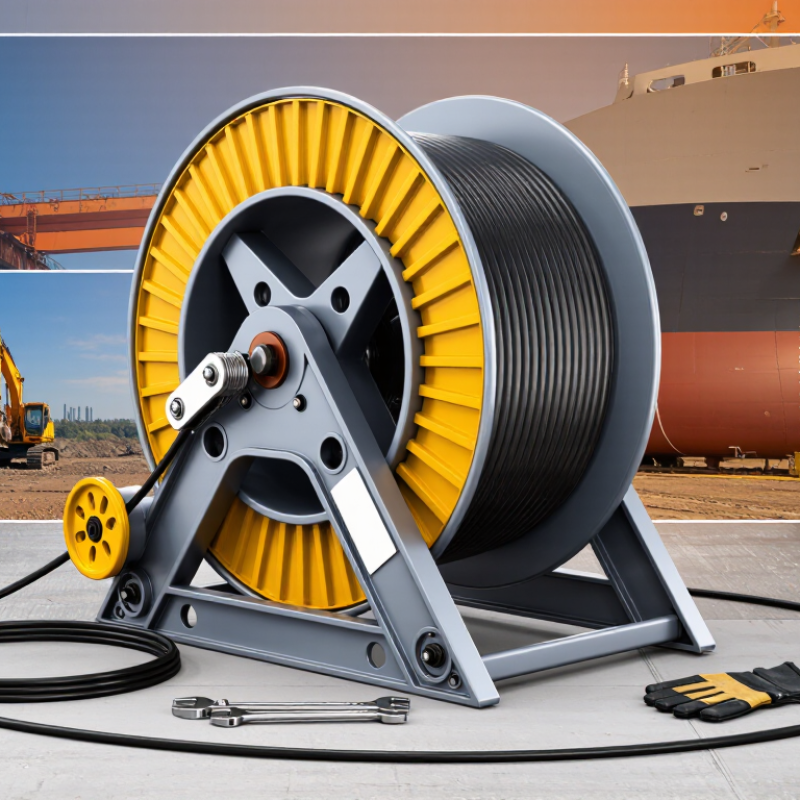
2026 Top Welding Cable Reel Manufacturers?

What Is a Welding Cable Reel and Why Does It Matter in 2026?

2026 Top Welding Cable Reel Manufacturers?

What Is a Welding Cable Reel and Why Does It Matter in 2026?

A welding cable reel stores, protects, and delivers flexible welding cable during fabrication work. It prevents loose cable from crossing walkways, collecting oil, or suffering sharp bends. That matters more in 2026, as workshops demand safer, cleaner, and more organized production areas.

A reliable reel should match the welder’s current, cable length, duty cycle, and working temperature. Technicians should also check insulation quality, grounding, reel capacity, and resistance to dust and moisture. Spring-driven reels suit lighter work, while motorized systems support longer cables and frequent movement. Small details matter. A weak spring can create uneven tension. Poor heat management can damage insulation before the cable looks worn.

From practical maintenance experience, regular inspection remains essential, even with a well-built reel. Look for cracked insulation, loose terminals, abnormal heating, and damaged guide rollers. I have seen operators choose reels by appearance alone, then struggle with cable drag and overheating. That choice seems convenient, but it can reduce service life. Manufacturers worth considering in 2026 should provide clear technical data, traceable quality control, repair guidance, and realistic load ratings. Marketing language is not enough. A reel may perform well in a clean workshop but fail sooner in welding areas filled with sparks, dust, and metal debris.

How to Evaluate Welding Cable Reel Manufacturers

Choosing a welding cable reel manufacturer in 2026 requires more than comparing prices. Evaluate real production experience, technical knowledge, and quality evidence. Ask how long the company has produced reels for welding environments. Experienced manufacturers should explain cable capacity, current ratings, drum materials, spring systems, and grounding requirements clearly.

Request drawings, test reports, and sample units before placing a large order. Inspect the reel’s frame, cable guide, locking mechanism, and insulation near connection points. These details often reveal weaknesses. Check whether the manufacturer follows recognized electrical and workplace safety standards. A reliable supplier should provide traceable quality records, not vague promises. Factory photos help, but an on-site audit gives stronger evidence.

Tips: Test a sample under repeated extension and retraction. Measure heat buildup after normal welding cycles. Ask for a written warranty, spare-part policy, and delivery schedule. Confirm whether custom cable lengths or mounting options affect performance.

Communication also matters. Technical answers should be specific and consistent across sales and engineering teams. Compare total ownership cost, including maintenance, replacement parts, downtime, and shipping. The cheapest reel may become expensive after several months of rough handling. Still, no evaluation is perfect. A polished sample can hide production variation, and I would request random inspection before shipment. Record every requirement in writing, especially cable type, working temperature, duty cycle, and installation position.

2026 Top Welding Cable Reel Manufacturers? - How to Evaluate Welding Cable Reel Manufacturers
Evaluation Dimension What to Verify Reliable Evidence Practical Benchmark Weight Suggested Score
Cable Compatibility Whether the reel is designed for welding leads, electrode cables, ground cables, or other high-flexibility power cables. Technical datasheet showing supported cable type, conductor size, insulation type, and maximum cable length. The manufacturer should clearly state compatible cable specifications instead of listing only a generic cable diameter. 15% 1–5
Current and Voltage Capacity Continuous electrical rating, allowable voltage, duty cycle, and temperature conditions during welding operations. Published electrical ratings, duty-cycle information, engineering calculations, and applicable test reports. Ratings should be matched to the welding process and cable cross-section; continuous-use conditions should be stated separately from peak use. 15% 1–5
Safety Compliance Protection against electric shock, overheating, accidental unwinding, mechanical damage, and improper grounding. Risk assessment, insulation and dielectric test records, grounding design, guarding details, and installation instructions. The product should include documented safety controls and clear instructions for inspection, grounding, and cable handling. 15% 1–5
Manufacturing Quality Consistency of reel frames, slip rings or cable connections, springs, bearings, braking systems, and cable guides. Quality-control plan, incoming-material inspection, in-process checks, final inspection records, and traceability procedures. A qualified manufacturer should be able to explain inspection checkpoints and provide batch or serial traceability. 15% 1–5
Material and Corrosion Resistance Suitability of the housing, frame, fasteners, cable guide, and exposed components for workshops, outdoor areas, or harsh environments. Material specifications, coating or plating details, enclosure information, and environmental-use limitations. Materials and surface treatments should be selected according to moisture, dust, chemicals, impact, and temperature exposure. 10% 1–5
Mechanical Performance Rewind force, cable tension, drum strength, braking control, mounting stability, and resistance to repeated cycling. Cycle-test results, load limits, mounting drawings, spring specifications, and operating-force data. The supplier should provide rated cable length, maximum cable mass, mounting position, and operating-cycle limitations. 10% 1–5
Customization Capability Ability to adapt cable length, conductor size, connectors, mounting brackets, enclosure design, labeling, and cable-entry direction. Engineering drawings, sample-development process, change-control procedure, and clearly defined customization charges. Customization should be documented in approved drawings and confirmed before production, with no ambiguity about interface dimensions. 8% 1–5
Testing and Documentation Availability of installation manuals, wiring diagrams, inspection reports, spare-part lists, and maintenance instructions. Controlled technical documents, product labels, test certificates, spare-parts information, and revision history. Documentation should be complete, consistent with the delivered product, and available in the purchaser’s required language. 7% 1–5
After-Sales Support Technical response time, warranty terms, replacement-part availability, troubleshooting support, and repair guidance. Written warranty policy, service-level commitments, spare-parts lead times, and documented escalation contacts. Support terms should define warranty coverage, exclusions, response channels, and expected replacement-part availability. 3% 1–5
Total Cost of Ownership Purchase price combined with installation, maintenance, cable replacement, downtime risk, spare parts, and expected service life. Formal quotation, maintenance schedule, spare-part pricing, operating assumptions, and lifecycle-cost comparison. The lowest initial price should not be selected unless safety, service life, documentation, and replacement costs are also acceptable. 2% 1–5
Recommended Supplier Selection Method Multiply each score by its weight, then compare only suppliers that pass the required safety and technical checks.

Top Welding Cable Reel Manufacturers for 2026

Top Welding Cable Reel Manufacturers for 2026

Choosing a welding cable reel manufacturer in 2026 requires more than comparing prices. Experienced buyers inspect current capacity, cable compatibility, and reel durability. A reliable manufacturer should publish load ratings, insulation guidance, and test procedures. Clear documentation matters on busy fabrication floors.

Strong manufacturers typically offer reels for MIG, TIG, and heavy-duty welding systems. Their designs may include steel frames, insulated terminals, guarded slip rings, and controlled spring rewind mechanisms. Look for smooth cable travel, stable mounting points, and replaceable wear components. These details reduce tangles near welding stations and help protect cables from sharp edges. Ask about temperature ratings, bend cycles, grounding practices, and service support. Small details matter.

Field experience can reveal weaknesses that brochures overlook. A reel may feel robust but perform poorly in dusty workshops. Another model may rewind quickly yet strain older cables. This is where sampling and practical testing become valuable. Measure the cable length, pulling force, and mounting height before ordering. Reviews can help, but they are not proof. Even respected manufacturers may have inconsistent batches or limited regional support. I would request inspection records, warranty terms, and spare-part availability before approval. The perfect reel probably does not exist. A careful selection process still prevents expensive downtime.

Key Product Features, Safety Standards, and Customization Options

2026 Top Welding Cable Reel Manufacturers?

A dependable welding cable reel begins with heat resistance, mechanical strength, and controlled cable movement. Look for flexible welding cable compliant with applicable IEC 60245-6 requirements. The reel should also support grounding continuity, insulation resistance, and thermal-rise testing. These checks matter near hot metal and crowded fabrication floors. A strong manufacturer provides traceable test records, material details, and clear maintenance instructions. A polished housing alone proves very little.

Safety features should include an insulated handle, stable mounting, cable strain relief, and a secure winding brake. Enclosures may need suitable IP protection for dust, sparks, or occasional moisture. Electrical protection must match the installation and local regulations. Buyers should verify ratings with qualified technicians. Small details prevent large failures. Still, no reel is maintenance-free.

Customization can cover cable length, conductor size, spring or manual rewind, swivel mounts, connectors, and thermal cutouts. Heavy-duty frames suit fixed workshops, while compact reels help mobile repair teams. Some projects need an adjustable braking system for smoother payout. Others require a specific mounting plate or cable exit angle. Confirm the duty cycle before ordering. I have seen oversized cables create unnecessary drag, while undersized designs heat quickly. The best specification is practical, tested, and open to revision.

How to Choose the Right Manufacturer for Your Welding Application

Choosing a welding cable reel manufacturer requires more than comparing prices. Grand View Research estimated the global welding equipment market at about USD 15.49 billion in 2023, with continued growth through 2030. That expansion increases supplier choices, but not necessarily supplier quality. Ask for verified load charts, duty-cycle results, insulation ratings, and traceable test records. A reliable manufacturer should explain cable gauge, maximum amperage, reel capacity, bend radius, and operating temperature in plain language.

Match the reel to your real workshop conditions. A mobile repair team may need a compact reel with a steel frame, locking handle, and flexible cable for repeated movement. A fabrication plant may require higher current capacity, thermal protection, sealed bearings, and a durable slip-ring assembly. Check compliance with applicable cable and electrical standards, such as IEC 60245-6 where relevant. The reel should also support proper grounding and safe strain relief. Small details matter.

Ask about replacement brushes, bearings, connectors, and response times. These costs are easy to overlook. The 2024 MarketsandMarkets welding equipment analysis highlights automation and infrastructure investment as major demand drivers, making uptime increasingly important. I would not select the lowest quotation automatically. My own checklist is useful, but imperfect. Request a sample inspection, review field references, and test cable retraction under load. A polished catalogue cannot prove long-term reliability. A manufacturer willing to share failure data often deserves closer attention.

2026 Top Welding Cable Reel Manufacturers? How to Choose the Right Manufacturer for Your Welding Application

This chart compares the theoretical DC resistance of copper welding cable at 20°C across common conductor sizes. The values are calculated from copper resistivity of approximately 0.01724 Ω·mm²/m. When evaluating a cable reel manufacturer, check conductor cross-section, published resistance, duty cycle, temperature rating, insulation quality, reel capacity, and compliance with the required welding-cable standard. Actual voltage drop and ampacity also depend on cable length, operating temperature, installation method, and welding duty cycle.