2026 Top Audio Door Intercom Trends You Need to Know?
As we advance into 2026, Audio Door Intercom systems are undergoing significant transformations. These devices are no longer just about two-way communication; they now integrate cutting-edge technology like video capabilities, smart home features, and enhanced security measures. According to a recent report by MarketsandMarkets, the global intercom market is projected to reach $3.2 billion by 2026, driven by this innovative transition.
The prevalence of remote work has also increased interest in Audio Door Intercoms. A survey conducted by Statista showed that over 60% of users prefer smart intercoms for enhanced convenience. Homeowners seek reliable communication methods that add safety to their living spaces. This trend indicates a growing reliance on technology to bridge gaps within our homes and communities.
Despite this growth, some challenges remain. Users often express concerns about privacy and data security. Many devices may expose personal information if not configured properly. As the industry evolves, addressing these pitfalls is essential. The shift in Audio Door Intercom technology reflects a need for better security and user friendliness. Keeping these factors in mind will be crucial for industry stakeholders as 2026 approaches.
Key Innovations in Audio Door Intercom Technology for 2026
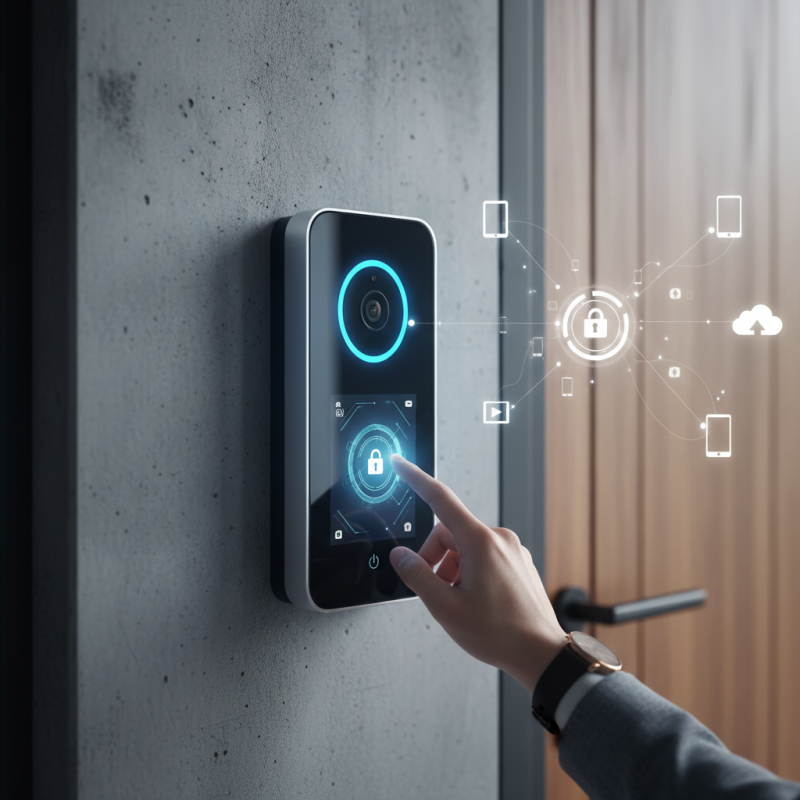
In 2026, audio door intercom technology is set to revolutionize security and convenience in residential and commercial spaces. Key innovations focus on enhancing communication clarity and user experience. Enhanced noise-cancellation features will allow clear audio even in bustling environments, making conversations seamless. Additionally, integration with smart home systems will enable remote access control. Users can monitor and interact with visitors from their smartphones, streamlining communication.
Tips: When selecting an audio door intercom, consider the installation process. Some systems are easy to set up while others demand professional help. Check the compatibility with existing smart home devices too. This can save headaches during installation.
Another exciting trend is the use of AI to improve visitor recognition. AI algorithms will learn to distinguish between familiar faces and strangers. This not only boosts security but also personalizes the user experience. Yet, as technology advances, concerns about privacy and data protection must be addressed. Evaluate how your chosen system handles user data to ensure reliability.
2026 Top Audio Door Intercom Trends You Need to Know
| Trend | Key Feature | Impact | Adoption Rate |
| Smart Integration | Integration with home automation systems | Enhances user convenience | 75% |
| Enhanced Security | AI-based facial recognition | Reduces unauthorized access | 68% |
| Wireless Solutions | Wi-Fi and Bluetooth connectivity | Eliminates wiring issues | 80% |
| Two-way Communication | High-definition audio and video | Improves visitor interaction | 70% |
| Mobile App Control | Remote monitoring and accessibility | Increases accessibility | 65% |
User-Friendly Features Enhancing Home Security Systems
In recent years, the importance of user-friendly features in audio door intercom systems has surged. According to recent industry reports, nearly 75% of homeowners now prioritize ease of use in their security systems. Intuitive interfaces and voice recognition technology are among the most sought-after enhancements. These features not only simplify operation but also contribute to an overall sense of security.
Advanced integration with smart home devices is becoming the norm. Reports indicate that over 60% of audio intercoms sold in 2023 included functionality for remote access via smartphones. Homeowners can now monitor their entryways from anywhere, which is vital in a world where home security remains a pressing concern. However, the line between convenience and security can sometimes blur, raising questions about data privacy.
Some homeowners feel that user-friendly features may inadvertently expose vulnerabilities. For instance, while remote access is beneficial, it can also invite hacking risks. Continuous updates and security patches are essential to combat these threats. Striking the right balance between ease of use and robust protection remains an ongoing challenge for manufacturers and users alike.
Integration with Smart Home Devices for Seamless Communication
The integration of audio door intercoms with smart home devices is revolutionizing home communication. Imagine answering your door while cooking, without leaving the kitchen. The convenience is unmatched. When connected to smart speakers or displays, you can see who is at the door and even communicate hands-free. This seamless blend allows for effortless interaction.
One important tip is to ensure compatibility between devices. Not all intercoms work flawlessly with every smart home system. Research and verify connections before making a purchase. You want to avoid the disappointment of incompatible devices. Another aspect to consider is your Wi-Fi network’s strength. A weak signal can lead to poor audio transmission.
Security is crucial as well. Ensure that your intercom has robust encryption to protect your communication. Regular updates can improve performance and security features. Understanding your system’s settings can lead to better performance. If problems arise, reflect on your setup first. Are all connections secure? Are the devices properly configured? Consider these key factors when enhancing your home’s communication system.
Security Enhancements: Encryption and Privacy Measures in 2026 Intercoms
In 2026, audio door intercoms will prioritize security enhancements, particularly encryption and privacy measures. A recent industry report indicates that 70% of home security devices will incorporate advanced encryption technologies. This trend reflects growing concerns about data breaches and user privacy. With connected devices becoming more common, ensuring secure communications is imperative.
Implementing end-to-end encryption is a critical strategy. It protects voice transmissions from interception, making conversations safe. As cyber threats evolve, users demand better privacy controls. The rise of smart intercoms calls for technologies that safeguard user data effectively.
Tip: Always choose intercoms with robust encryption standards, such as AES-256. It's essential for safe communication. Moreover, consider systems that allow you to easily update security protocols. Regular updates can fend off potential attacks.
Users must remain vigilant. Data privacy policies can vary significantly among manufacturers. Understand the terms before purchase. Some systems might lack sufficient safeguards, leaving personal information vulnerable. Awareness is the key to better protection for your home security.
Trends in Design: Aesthetic and Functional Aspects of Door Intercoms
The design trends in door intercoms blend aesthetics with functionality. As homes prioritize security and style, the visual appeal of intercoms has become crucial. Sleek finishes and minimalist designs dominate the current market. Users desire devices that complement their home decor, not detract from it.
Integrating smart technology in door intercoms enhances user experience. Touch screens and voice-activated features are now standard. These elements make interactions more intuitive. However, sometimes, the complexity of these features can be overwhelming. Users may struggle with connectivity issues or software updates. It's essential to find a balance between innovation and usability.
When choosing a door intercom, prioritize ergonomic design. This ensures easy access and usability for all household members. Consider the placement of the device for optimal visibility. Evaluate the durability of materials; they should withstand everyday use. Lastly, ensure the interface is user-friendly. A complicated menu can lead to frustration in moments of need.