2026 Top Electric Forklift Battery Options for Global Buyers?
As the global demand for efficient material handling solutions rises, the choice of an Electric Forklift Battery becomes increasingly crucial. Advancements in battery technology are shaping the future of logistics and warehousing. Buyers must navigate a landscape filled with various options, each promising different benefits and limitations.
One notable challenge is balancing cost, performance, and reliability. Many buyers struggle to identify which Electric Forklift Battery suits their operational needs best. Misunderstandings about battery chemistry and lifespan can lead to costly mistakes.
Not all batteries perform equally across different environments. Some may excel in temperature extremes while others falter. Buyers should look for reputable brands with proven track records. Consulting experts can provide invaluable insights, although experiences may vary widely. The right Electric Forklift Battery can enhance productivity, but the decision requires careful consideration and reflection on individual operational requirements.
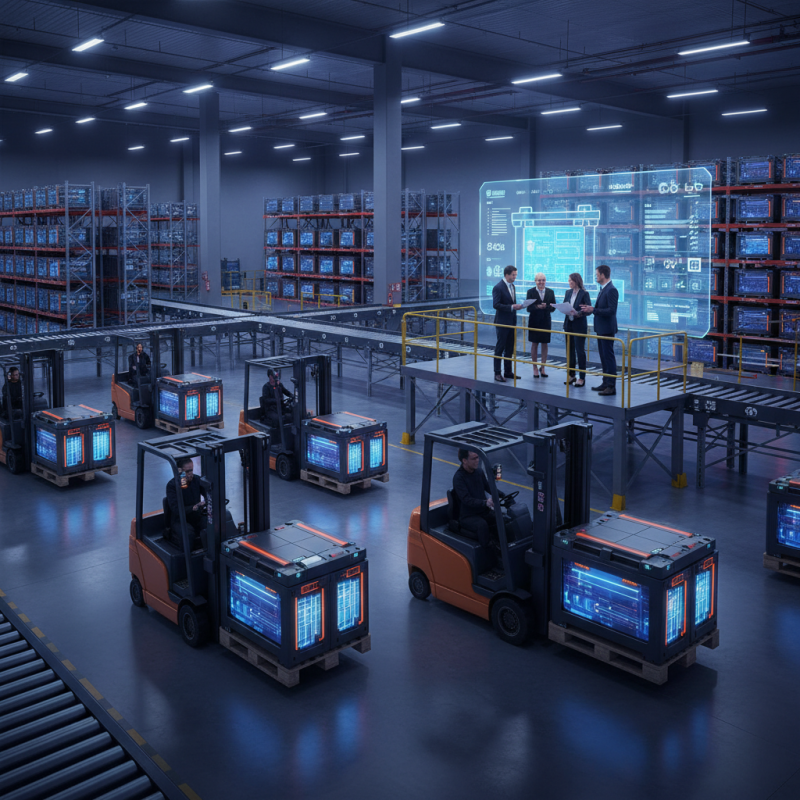
Top Electric Forklift Battery Technologies for 2026 Global Market
In 2026, the electric forklift battery market will see significant advancements. Among the top technologies, lithium-ion batteries will likely dominate. Their energy efficiency and longevity make them a preferred choice for many industries. Companies are continually refining this technology to enhance performance.
Another emerging option is solid-state batteries. These promise higher energy density and improved safety. However, their production costs remain high. Manufacturers must address these challenges to gain traction in the market.
Lead-acid batteries still persist in some sectors. They are less expensive upfront but lack the efficiency of modern alternatives. Many businesses are pondering the balance between cost and performance. Evaluating battery options carefully is essential for future growth. As the market evolves, staying informed and adaptable will be crucial.
2026 Top Electric Forklift Battery Options
Key Features and Specifications of Leading Electric Forklift Batteries
As electric forklifts grow in popularity, selecting the right battery becomes crucial for performance. The global market for electric forklift batteries is expected to reach $6 billion by 2026, according to recent industry reports. This growth highlights the increasing reliance on efficient and durable energy sources.
Key features of leading batteries include energy density and lifespan. Lithium-ion batteries are favored for their lighter weight and faster charging times. Recent studies indicate that these batteries can last up to 3,000 cycles, significantly outpacing traditional lead-acid options, which often only provide about 1,500 cycles.
Charging efficiency is also important. Advanced battery technologies can achieve an 80% charge in as little as one hour. However, users often overlook how ambient temperature impacts battery performance. Operating in extreme conditions can lead to reduced efficiency and longevity. Thus, understanding the specifications and real-world applications is vital for making an informed decision.
Comparative Analysis of Lithium-ion versus Lead-acid Forklift Batteries
When choosing forklift batteries, buyers often find themselves comparing lithium-ion and lead-acid options. Lithium-ion batteries have gained popularity for their longer life cycles and faster charging times. They can charge up to three times faster than lead-acid batteries. This means less downtime for operations. However, their initial costs can be significantly higher.
On the other hand, lead-acid batteries are known for their reliability and widespread availability. They are often more affordable upfront, which can be appealing for budget-conscious buyers. Yet, they require regular maintenance and have shorter lifespans. This often leads to higher replacement costs over time. Additionally, lead-acid batteries have limited charge cycles, which can negatively impact productivity.
Both types have unique advantages and challenges. Certain applications may benefit from the efficiency of lithium-ion, while others may thrive on the sturdiness of lead-acid. Buyers must carefully assess their specific needs and operational conditions. Factors such as usage frequency and budget constraints should influence their decision. Ultimately, the right choice varies based on individual circumstances.
Battery Lifespan and Charging Cycle Insights for Electric Forklifts
The battery lifespan and charging cycles are essential factors for electric forklifts. Understanding these can significantly impact overall efficiency and productivity. Typically, lithium-ion batteries offer longer lifespans compared to traditional lead-acid ones. Depending on usage, lithium-ion batteries can last over 5,000 cycles. Lead-acid batteries may only achieve around 1,500 cycles. Choosing the right battery type is crucial for long-term benefits.
Charging cycles also play a significant role in battery health. Rapid charging can reduce charging time but may also shorten battery life. On the other hand, slow charging tends to preserve battery longevity, albeit at the cost of longer downtime. Users should consider their operational needs when selecting charging protocols.
Tips for maintaining battery performance include keeping batteries clean and inspecting terminals regularly. Regular maintenance can prolong battery lifespan. Monitoring discharge rates can help avoid deep discharges, which harm battery health. Always ensure batteries are charged according to the manufacturer’s guidelines to prevent potential damage. Attention to these details can enhance the overall efficiency of your electric forklift fleet.
Impact of Battery Selection on Forklift Performance and Efficiency
When choosing a battery for electric forklifts, performance and efficiency are critical factors. Studies indicate that lithium-ion batteries can improve productivity by as much as 30%. They offer faster charging times and longer lifespans compared to traditional lead-acid options. This can lead to significant operational cost savings. However, the initial investment may be higher, leading some businesses to hesitate.
The choice of battery impacts operational efficiency. For example, a well-chosen battery can reduce downtime during shifts. A particular report noted that a forklift with a compatible battery could work up to 30% longer on a single charge. Yet, not all battery types fit every application. Some settings may require more robust power solutions. Additionally, performance can vary based on temperature and usage patterns, leading to potential inefficiencies if not addressed.
It's essential to weigh the benefits against the drawbacks. In some cases, switching to advanced batteries can lead to challenges, including integration into existing systems. Maintenance needs and recycling concerns also surface, complicating decisions. Proper evaluation and testing become crucial for ensuring the right fit for specific environments. Increasing awareness of these factors highlights the importance of making informed choices in battery selection.